Is your washing machine looking a bit worse for wear? That once-sparkling appliance, responsible for keeping your clothes fresh and clean, can surprisingly become a hub for grime, mold, mildew, and unpleasant odors. Over time, detergent residues, fabric softener buildup, and mineral deposits from hard water can accumulate in the drum, dispenser, and seals, leading to less-than-fresh laundry and even machine malfunctions.
But don’t despair! You don’t need harsh chemicals or expensive specialized cleaners to restore your washing machine to its pristine condition. A simple DIY mixture, often found right in your pantry, is your secret weapon for a sparkling clean drum and banishing those stubborn odors. Get ready to say goodbye to grime and hello to freshness with our step-by-step guide!
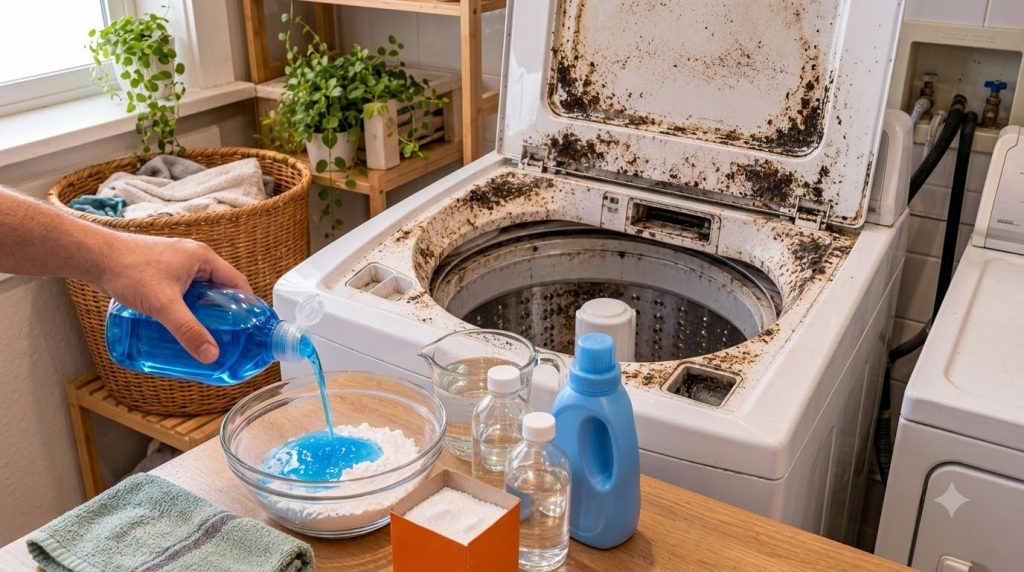
Why Your Washing Machine Gets So Dirty (and Smelly)
It seems counterintuitive that an appliance designed to clean would get dirty itself, but several factors contribute to a grimy washing machine:
- Detergent & Fabric Softener Residue: Over time, these products don’t always rinse away completely, leaving a sticky film that traps dirt and encourages mold growth.
- Hard Water Minerals: Calcium and magnesium in hard water can accumulate, forming a scale that dulls surfaces and harbors grime.
- Mold and Mildew: The warm, damp environment inside a washing machine is the perfect breeding ground for mold and mildew, especially around door seals and detergent dispensers.
- Low-Water Wash Cycles: Modern energy-efficient machines use less water, which can sometimes mean less thorough rinsing of residues.
The DIY Power Duo: White Vinegar & Baking Soda
For a truly effective and budget-friendly clean, white vinegar and baking soda are your champions. This dynamic duo works wonders:
- White Vinegar: An excellent natural disinfectant and deodorizer. Its acidic nature breaks down mineral deposits, soap scum, and greasy residues, while also killing mold and bacteria.
- Baking Soda: A mild abrasive that helps scrub away grime, and a powerful deodorizer that neutralizes odors, leaving your machine smelling fresh.
Step-by-Step Washing Machine Deep Clean Guide
Before you begin, ensure your washing machine is empty. This method works for both top-loading and front-loading machines, with slight variations.
What You’ll Need:
- 2 cups White Vinegar
- 1/2 cup Baking Soda
- Spray bottle (optional, for vinegar solution)
- Microfiber cloths or old towels
- An old toothbrush (for scrubbing tight spots)
Instructions for Top-Loading Machines:
- Vinegar Cycle: Fill your washing machine with hot water on the highest load setting. As it fills, pour in 2 cups of white vinegar directly into the drum. Let the machine agitate for a minute to mix, then pause the cycle and let the water sit for at least an hour (or up to a few hours for very dirty machines). This allows the vinegar to penetrate and break down buildup.
- Baking Soda Boost: After the soaking period, add 1/2 cup of baking soda to the water in the drum. Close the lid and resume the cycle, letting it complete its full wash and rinse. The combination will work to scrub and deodorize.
- Wipe Down: Once the cycle is finished, use a damp cloth soaked in a diluted vinegar solution (equal parts water and vinegar) to wipe down the inside of the drum, the top of the agitator, and especially the rim and dispenser areas. Use an old toothbrush for any stubborn grime in crevices.
Instructions for Front-Loading Machines:
- Vinegar Dispenser Clean: Pour 2 cups of white vinegar into the detergent dispenser.
- Hot Wash Cycle: Run a complete wash cycle on the hottest water setting. Do not add any clothes or detergent. The vinegar will circulate through the machine, cleaning the drum and internal components.
- Baking Soda Drum Clean: After the vinegar cycle is complete, sprinkle 1/2 cup of baking soda directly into the empty drum.
- Second Hot Wash: Run another complete hot wash cycle. This helps to further scrub away residue and neutralize any remaining odors.
- Door Seal & Dispenser Wipe: Pay special attention to the rubber gasket around the door. This area is a prime spot for mold and mildew. Spray it generously with a vinegar solution or wipe with a cloth soaked in vinegar, then scrub with an old toothbrush. Wipe down the detergent dispenser drawer thoroughly, removing any black mold or residue.
Maintenance Tips to Keep Your Machine Fresh
Prevention is key to avoiding future grime and odors:
- Leave the Door Ajar: After each use, leave the washer door (and detergent dispenser drawer) slightly open to allow air circulation and prevent moisture buildup, which is essential for deterring mold and mildew.
- Use the Right Amount of Detergent: Too much detergent can lead to excessive suds and residue. Follow the manufacturer’s recommendations.
- Clean Dispenser Regularly: Wipe down your detergent and fabric softener dispensers after a few washes. Some are removable for easier cleaning.
- Monthly Maintenance Wash: Run a quick hot water cycle with 1-2 cups of white vinegar or 1/2 cup of baking soda once a month to keep things fresh.
- Wipe Down After Each Wash: A quick wipe of the drum and door seal after your last load of the day can make a big difference.
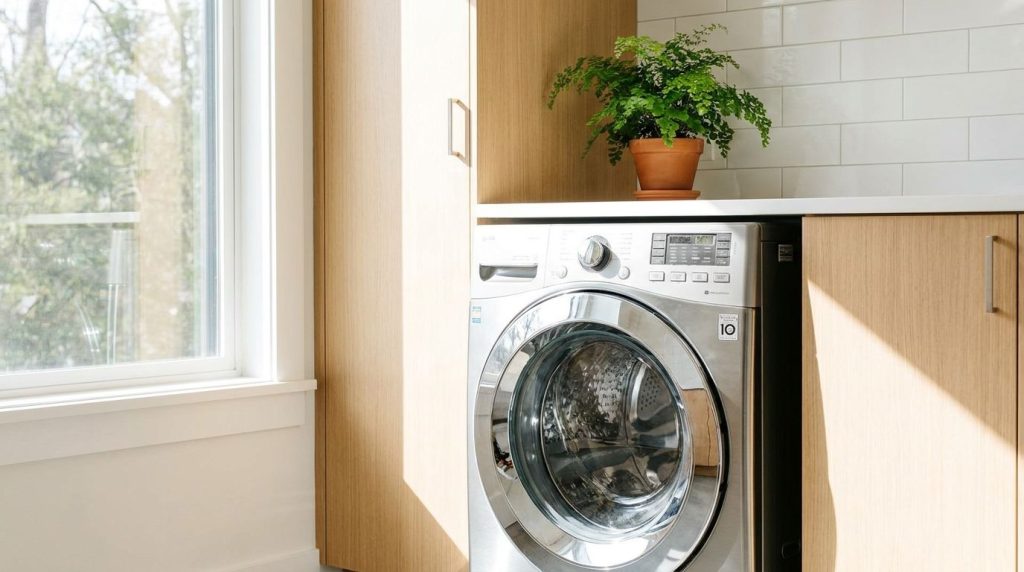
By dedicating a little time to this DIY deep clean, you’ll not only banish unsightly grime and unpleasant smells but also help your washing machine run more efficiently and extend its lifespan. Your clothes will come out cleaner and fresher, making laundry day a much more pleasant experience. What’s your go-to washing machine cleaning secret? Share it below!