Imagine plucking fresh, juicy fruit right from your backyard, grown from a simple branch cutting! It might sound like magic, but propagating fruit plants from cuttings is a rewarding and relatively easy way to expand your edible garden. Not only does it save you money on buying new plants, but it also allows you to multiply your favorite varieties and share them with friends and family. From figs to kiwis and many more, let’s dive into the wonderful world of growing your own fruit from cuttings!
Why Grow Fruit from Cuttings?
Growing fruit plants from cuttings, also known as vegetative propagation, offers several fantastic benefits:
- True to Type: Cuttings produce plants that are genetically identical to the parent plant, ensuring you get the exact fruit variety you love.
- Cost-Effective: Why buy a new plant when you can grow one for free from an existing plant or a friend’s generosity?
- Faster Maturity: Plants grown from cuttings often mature and produce fruit more quickly than those grown from seeds.
- Easy Expansion: It’s a simple way to expand your garden or replace old, declining plants.
The Basics of Taking Cuttings
While the exact method might vary slightly depending on the fruit type, here are the general steps to successfully take and root cuttings:
1. Choose the Right Time
The best time to take cuttings varies by plant. Hardwood cuttings (dormant branches) are typically taken in late fall or winter, while softwood or semi-hardwood cuttings (new growth) are taken in spring or early summer. Research your specific fruit plant to find its ideal timing.
2. Select Healthy Material
Always choose healthy, disease-free stems from a vigorous parent plant. Look for branches that are about pencil-thick and have several nodes (where leaves or buds emerge).
3. Make Clean Cuts
Using sharp, clean pruning shears or a knife, make a diagonal cut just below a node. The cutting should generally be 4-8 inches long. Remove any leaves from the bottom half of the cutting to prevent rot and expose more surface area for rooting.
4. Prepare for Rooting
Some gardeners dip the cut end in rooting hormone powder or gel, which can significantly improve rooting success. This helps stimulate root development.
Rooting Your Fruit Cuttings
1. Choose Your Medium
Cuttings can be rooted in various mediums:
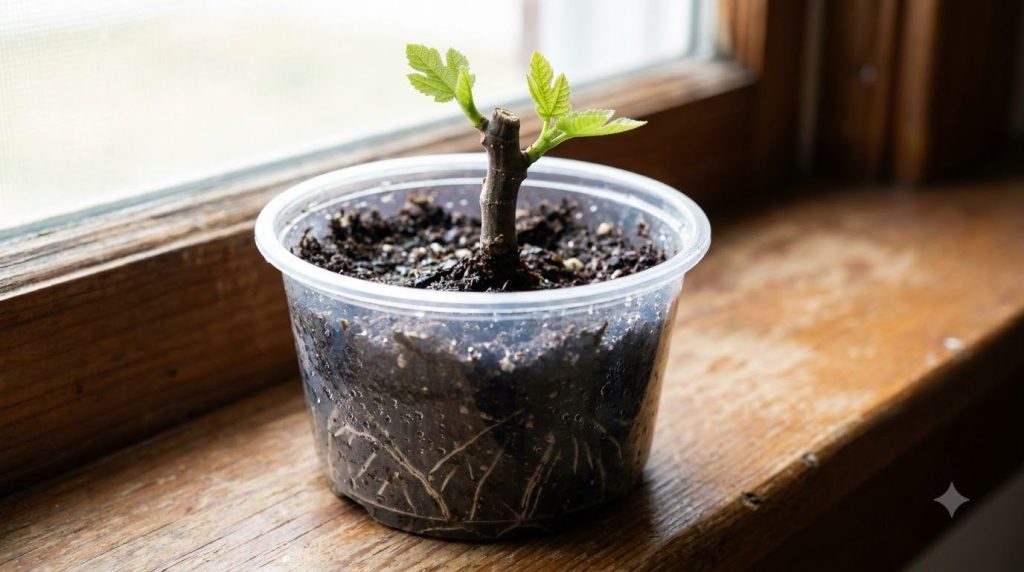
- Water: Some plants, like figs, can root directly in water. Change the water every few days to keep it fresh.
- Potting Mix: A well-draining, sterile potting mix or a mix of peat moss and perlite is ideal. Insert the bottom half of the cutting into the mix.
2. Provide the Right Environment
- Moisture: Keep the rooting medium consistently moist but not waterlogged. For water rooting, ensure the bottom node is submerged.
- Humidity: High humidity helps prevent the cutting from drying out. You can create a mini-greenhouse effect by covering the pot with a plastic bag or dome.
- Warmth: A warm environment (around 70-75°F or 21-24°C) is often beneficial for root development.
- Light: Provide bright, indirect light. Avoid direct sunlight, which can scorch the tender cuttings.
3. Be Patient!
Rooting times vary widely, from a few weeks to several months. Gently tug on the cutting after a few weeks; if you feel resistance, roots are forming. Once roots are well-established and new growth appears, your cutting is ready to be transplanted into its own pot or a prepared spot in the garden.
Fruit Plants That Grow Well from Cuttings
Many popular fruit plants are excellent candidates for propagation via cuttings:
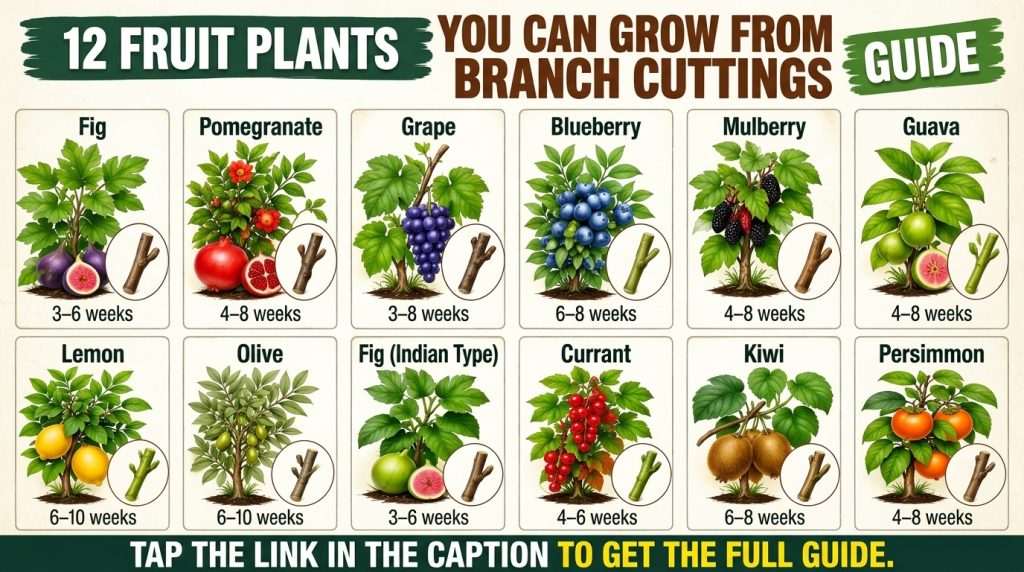
- Figs: One of the easiest! Hardwood cuttings taken in winter root readily.
- Grapes: Both hardwood and softwood cuttings work well.
- Berries: Many types of berries, including currants, gooseberries, and some raspberries and blackberries, can be propagated from cuttings.
- Pomegranates: Semi-hardwood cuttings are often successful.
- Kiwis: Softwood cuttings are a good option for these climbing fruits.
- Olives: Semi-hardwood cuttings.
- Mulberries: Hardwood cuttings root fairly easily.
Tips for Success
- Keep it Clean: Sterilize your tools before and after taking cuttings to prevent disease spread.
- Label Everything: It’s easy to forget what’s what, especially if you’re rooting multiple types of fruit.
- Don’t Overwater: While cuttings need moisture, too much can lead to rot.
- Experiment: Different plants respond differently. Don’t be discouraged if your first attempt isn’t perfect; gardening is all about learning!
Growing your own fruit from cuttings is a deeply satisfying aspect of gardening. With a little patience and the right techniques, you can transform a small branch into a thriving, fruit-bearing plant, adding a fresh, organic harvest to your home. Happy propagating!