Did you know that you can transform your garden into a flourishing oasis using simple, everyday items from your kitchen and home? Embracing natural garden hacks is not only eco-friendly and cost-effective but also a wonderful way to connect with nature and support your plants’ health from the ground up. Say goodbye to harsh chemicals and hello to a vibrant, naturally thriving garden!
At Remedy – T.Nhàn, we love discovering simple ways to enhance our well-being, and that extends right into our gardens. These smart garden hacks offer natural solutions for boosting soil health, deterring pesky invaders, and giving your plants the love they deserve.
Fueling Your Soil Naturally: Kitchen Scraps for a Healthier Garden
Your kitchen is a treasure trove of nutrients for your garden. Instead of tossing certain scraps, let them enrich your soil and feed your plants.
Coffee Grounds: A Boost for Acid-Loving Plants
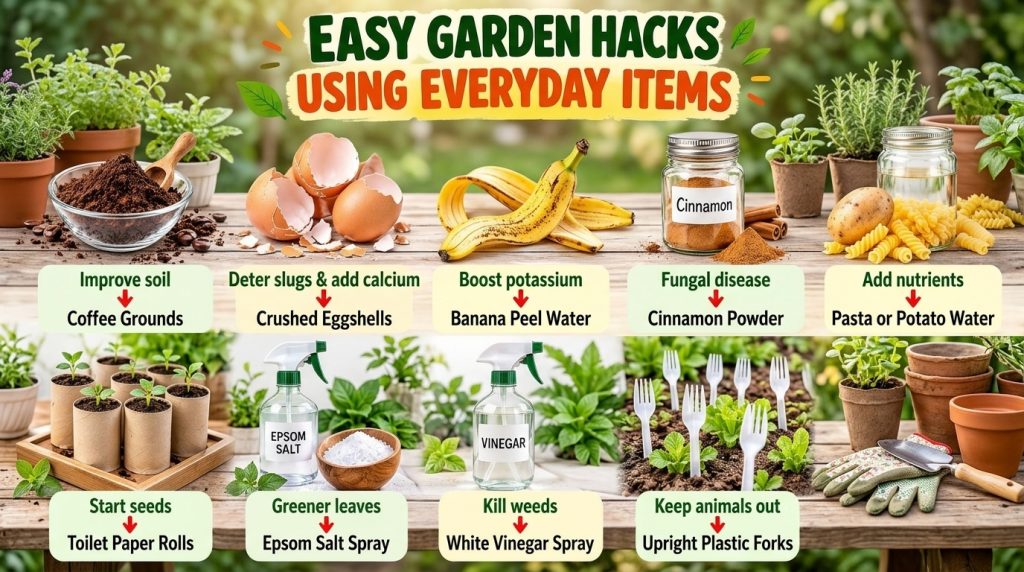
If you’re a coffee lover, your garden will thank you! Spent coffee grounds are rich in nitrogen, which is essential for lush, green growth. They also help to slightly acidify the soil, making them perfect for plants like blueberries, azaleas, hydrangeas, and roses. Simply sprinkle a thin layer around the base of your plants or mix them into your compost pile.
Eggshells: A Calcium Kick for Stronger Plants
Don’t throw away those eggshells! Crushed eggshells are an excellent source of calcium, which helps prevent blossom end rot in tomatoes and peppers, and strengthens cell walls in all plants. Rinse them, let them dry, then crush them into small pieces. You can mix them directly into the soil when planting or sprinkle them around established plants.
Banana Peels: Potassium Powerhouse
Banana peels are packed with potassium, phosphorus, and calcium, which are vital for strong roots, healthy fruit development, and overall plant vigor. Bury chopped banana peels near the base of rose bushes or fruit-bearing plants, or steep them in water for a nutrient-rich liquid fertilizer.
Natural Pest Deterrents: Keep Critters Away the Gentle Way
Protecting your plants doesn’t always require harsh chemicals. Many common household items can naturally deter unwanted guests.
Cinnamon Powder: A Multi-Purpose Garden Ally
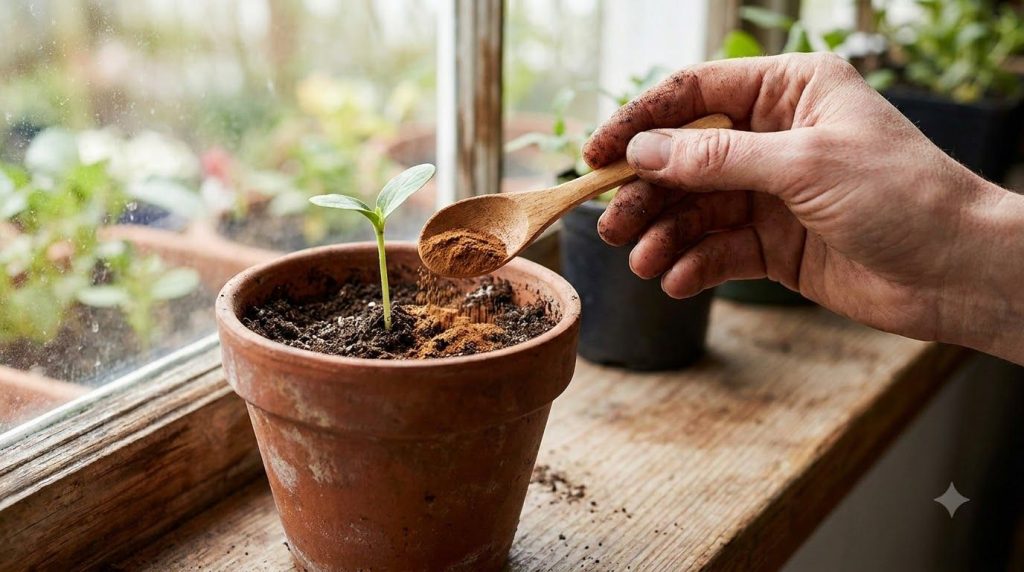
That fragrant spice in your pantry isn’t just for baking! Cinnamon powder can act as a natural fungicide, helping to prevent damping-off disease in seedlings and discourage ants. Sprinkle it around the base of seedlings or on areas where ants are a problem. It can even help root cuttings!
Repurposed Plastic Forks: A Barrier Against Pests
For larger pests like squirrels, rabbits, or birds that might nibble on young plants, try strategically placing plastic forks (tines up) around your plants. The unexpected prongs can deter them without causing harm, encouraging them to find snacks elsewhere. It’s a simple, visual deterrent that can make a big difference for vulnerable seedlings.
Garlic Spray: A Pungent Protector
Garlic has natural insecticidal properties. To make a simple spray, blend several cloves of garlic with water, strain the mixture, and add a little dish soap (natural, if possible). Dilute and spray on plants to deter aphids, slugs, and other soft-bodied insects. Remember to test on a small area first!
Creative Planting & Nurturing: Clever Ways to Help Your Plants Thrive
Sometimes, a little creativity is all it takes to give your garden a boost.
Toilet Paper Rolls for Seed Starting
Looking for an easy and eco-friendly way to start seeds? Cut toilet paper or paper towel rolls into shorter sections (about 2-3 inches). Stand them upright in a tray, fill with potting mix, and plant your seeds. When it’s time to transplant, you can plant the entire roll directly into the ground, as the cardboard will decompose, minimizing root disturbance.
Watering with Recycled Bottles
For deep, slow watering, especially for plants that need consistent moisture, poke a few small holes in the cap of a plastic water bottle. Fill the bottle with water, invert it, and bury the neck near a plant. The water will slowly seep out, providing hydration directly to the root zone, reducing evaporation, and conserving water.
Why Go Natural in Your Garden?
Choosing natural methods for your garden isn’t just good for your plants; it’s beneficial for the environment and for your own well-being. By avoiding synthetic chemicals, you create a safer habitat for beneficial insects, pollinators, and local wildlife. You also ensure that the produce you grow is free from unwanted residues, contributing to a healthier lifestyle for you and your family.
Embracing these smart garden hacks is a journey of discovery and a step towards a more sustainable and vibrant home environment. Give these ideas a try and watch your garden flourish with natural vitality!
What are your favorite natural garden hacks? Share your tips in the comments below!