While popular herbal remedies often steal the spotlight, a simple yet powerful blend frequently goes unnoticed: goldenrod oxymel. Most people are familiar with goldenrod as a late-summer bloom, but its true potential as a wellness ally, especially when combined with honey and vinegar, remains a secret to many. This traditional tonic, an ‘oxymel’ (meaning ‘acid and honey’), offers a unique way to harness goldenrod’s properties for everyday health. But one small preparation mistake can ruin the whole batch.
What Exactly is Goldenrod Oxymel?
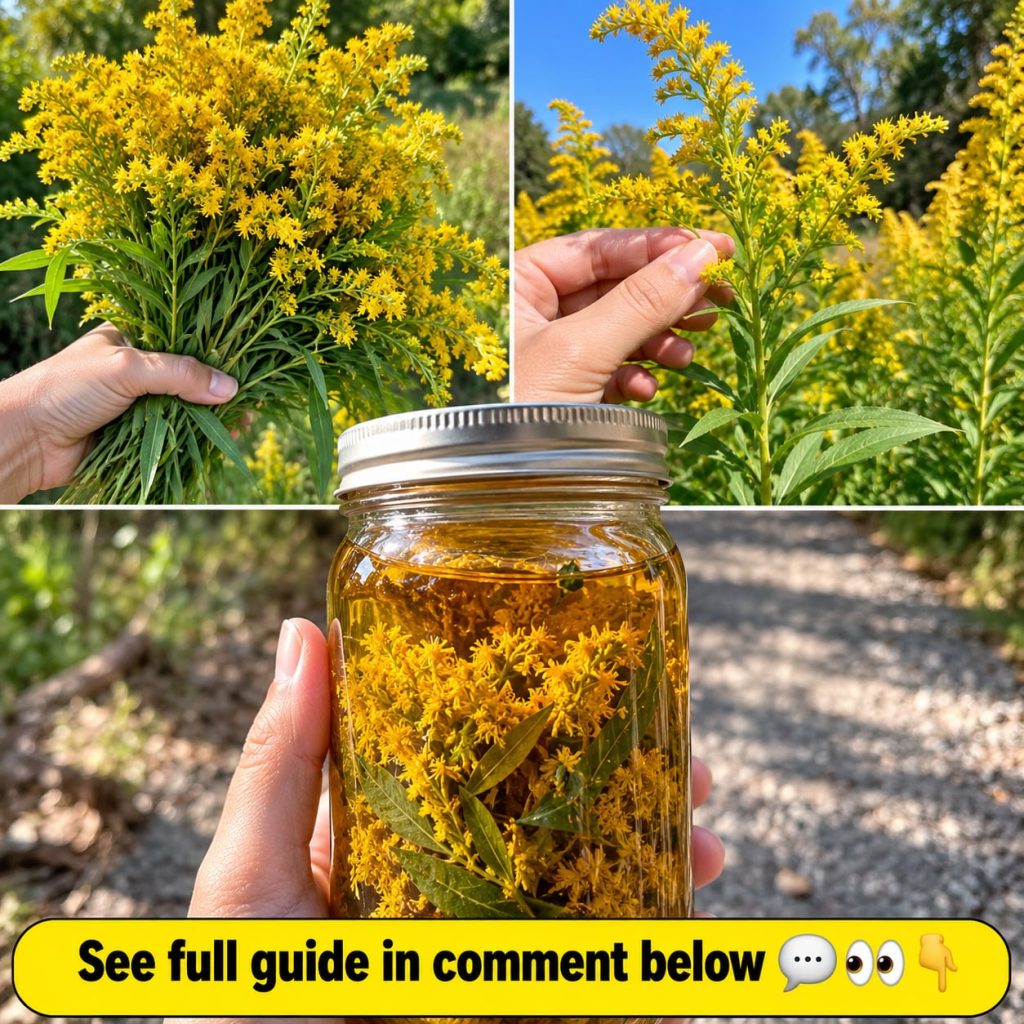
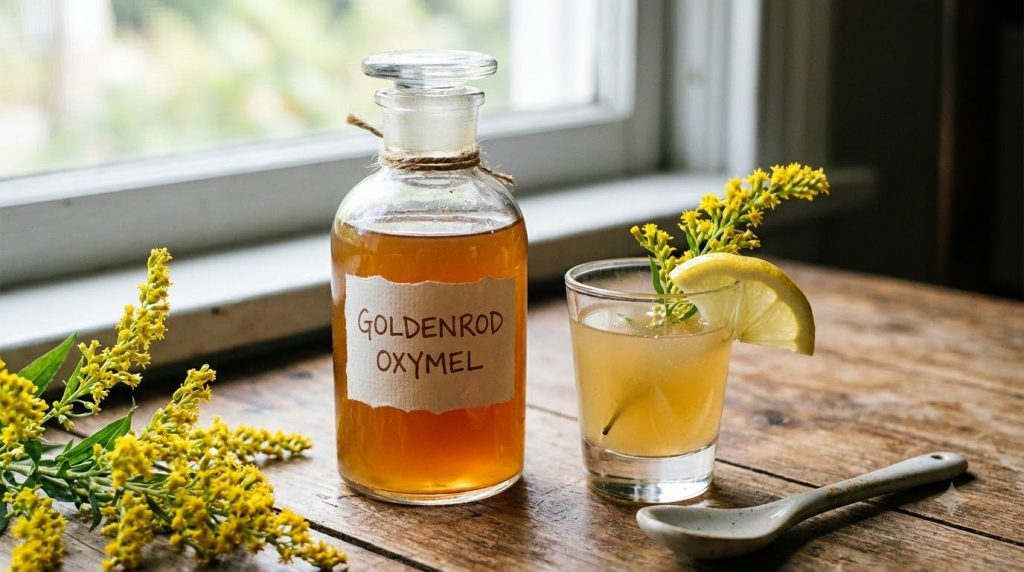
Goldenrod oxymel is a traditional herbal preparation made by infusing parts of the goldenrod plant (typically the flowers and leaves) in a mixture of raw honey and apple cider vinegar. This blend leverages the properties of all three components: goldenrod for its botanical benefits, honey for its soothing and preservative qualities, and apple cider vinegar for its acidity and mineral content, which also helps extract beneficial compounds from the herb. Historically, oxymels were valued for their pleasant taste and efficacy, often used to support respiratory health and overall vitality.
The Key Ingredients
Creating your own goldenrod oxymel requires just a few simple, high-quality ingredients:
- Goldenrod (Solidago species): Fresh flowers and upper leaves are ideal, but dried goldenrod can also be used effectively. Ensure you are correctly identifying goldenrod and not its less friendly look-alike, ragweed.
- Raw, Unfiltered Honey: Local, raw honey is preferred for its natural enzymes, antioxidants, and local pollen benefits. Avoid pasteurized honey, as it lacks many of the beneficial compounds.
- Apple Cider Vinegar (ACV): Choose organic, unfiltered ACV that contains “the mother.” This cloudy sediment is full of beneficial bacteria and enzymes.
Approximate Measurements for Your First Batch
These measurements provide a good starting point for a balanced oxymel. Feel free to adjust the honey-to-vinegar ratio later to suit your taste preferences.
- Goldenrod: 1 cup, packed tightly (if fresh) or 1/2 cup (if dried).
- Raw Honey: 1/2 cup
- Apple Cider Vinegar: 1 cup
Formula & Step-by-Step Method
The process of making goldenrod oxymel is straightforward, but patience is key for a potent remedy.
Step-by-Step Method:
- Prepare Goldenrod: If using fresh goldenrod, gently brush off any insects and roughly chop the flowers and upper leaves. If using dried, simply measure it out.
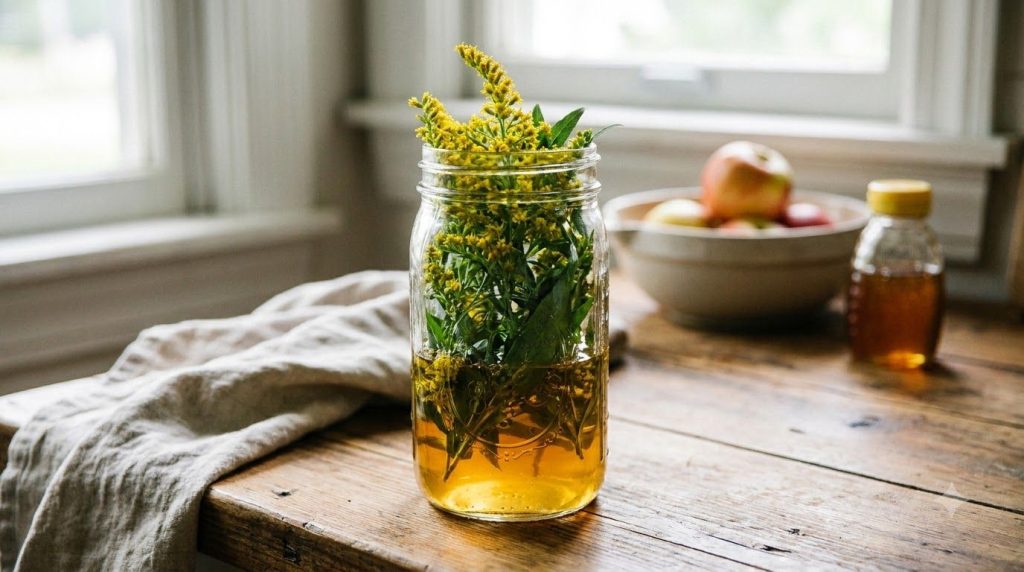
- Fill Your Jar: Place the prepared goldenrod into a clean, sterile glass jar. Fill the jar about halfway to two-thirds full with the plant material.
- Combine Liquids: In a separate bowl, whisk together the raw honey and apple cider vinegar until well combined. The honey may not fully dissolve immediately, but it will meld during the infusion process.
- Pour Over Goldenrod: Pour the honey-vinegar mixture over the goldenrod in the jar, ensuring the plant material is completely submerged. If needed, add a little more ACV to cover.
- Seal and Shake: Cover the jar with a non-metallic lid. A plastic lid is ideal, or use parchment paper between a metal lid and the oxymel to prevent corrosion from the vinegar. Shake the jar gently to ensure everything is mixed.
- Infuse: Store the jar in a cool, dark place for 2 to 4 weeks. Shake the jar daily or every other day to help with extraction and prevent mold.
- Strain: After the infusion period, strain the oxymel through a fine-mesh sieve or cheesecloth into a clean glass bottle. Squeeze out all the liquid from the plant material.
- Store: Label and date your finished goldenrod oxymel.
Quick Tip: Fresh vs. Dried Goldenrod
Choosing between fresh and dried goldenrod can impact your oxymel. Here’s a quick comparison:
| Feature | Fresh Goldenrod | Dried Goldenrod |
|---|---|---|
| Potency | Often considered more potent due to volatile oils. | Still potent, but some volatile compounds may be lost. |
| Quantity | Requires a larger volume (e.g., 1 cup packed). | Requires less volume (e.g., 1/2 cup). |
| Preparation | Harvested, lightly cleaned, roughly chopped. | Already dried; simply measure. |
| Moisture Content | Higher, can slightly dilute the final oxymel. | No additional moisture; yields a more concentrated infusion. |
How to Use Your Goldenrod Oxymel
Goldenrod oxymel is wonderfully versatile. Here are a few common ways to incorporate it into your routine:
- Daily Tonic: Mix 1-2 teaspoons of oxymel in a glass of water, sparkling water, or herbal tea. This is a refreshing way to take it daily.
- Salad Dressing Base: Use it in place of regular vinegar in your homemade salad dressings for an herbal twist.
- Throat Gargle: Dilute 1 teaspoon in a small glass of warm water and use as a soothing gargle for throat discomfort.
How Often to Use
For general wellness support, a common recommendation is 1-2 teaspoons, 1-3 times daily, always diluted in water or another beverage. Listen to your body and adjust as needed.
How to Buy / How to Choose Ingredients
- Goldenrod: The best goldenrod is often ethically wildcrafted from clean, unpolluted areas, away from roadsides or industrial sites. If foraging, ensure positive identification to avoid misidentification with ragweed. Alternatively, purchase dried goldenrod from reputable herbal suppliers who can verify its source and quality.
- Honey: Seek out local, raw, unfiltered honey from beekeepers in your area. This ensures you’re getting honey with its full spectrum of beneficial properties.
- Apple Cider Vinegar: Look for organic, unpasteurized ACV with “the mother” visible at the bottom of the bottle. Brands like Bragg’s are widely available and reliable.
Storage for Longevity
Store your finished goldenrod oxymel in a tightly sealed glass bottle in a cool, dark pantry. While refrigeration is not strictly necessary, it can help extend its shelf life. Expect it to last 6 months to 1 year, or even longer, due to the preservative qualities of honey and vinegar.
Practical Tips for Success
- Label and Date: Always label your jars with the contents and the date you made them.
- Non-Metallic Lids: Vinegar can react with metal, causing corrosion and potentially leaching unwanted compounds into your oxymel.
- Shake Regularly: During the infusion period, daily shaking helps ensure even extraction of compounds.
- Adjust Ratios: Don’t be afraid to adjust the honey to vinegar ratio in future batches to better suit your taste. Some prefer it sweeter, others more tart.
Common Mistakes to Avoid
Making herbal remedies is rewarding, but a few missteps can hinder your results:
- Incorrect Plant Identification: Goldenrod is often confused with ragweed. Ragweed is the common allergen, not goldenrod. Always be 100% sure of your plant identification if foraging.
- Using Sprayed Plants: Never harvest goldenrod from areas that may have been treated with pesticides or herbicides.
- Skipping the Strain: Leaving plant material in the finished oxymel can lead to spoilage or unwanted fermentation.
- Using Metallic Lids Directly: As mentioned, this can corrode and contaminate your oxymel.
- Not Shaking During Infusion: This leads to uneven extraction and settling.
- Using Pasteurized Honey or Filtered ACV: These lack the beneficial enzymes and bacteria crucial for the oxymel’s full potential.
You may also like: Discover the Benefits of Homemade Elderberry Syrup
Cautions & Who Should Avoid Goldenrod Oxymel
While generally safe for most, certain individuals should exercise caution or avoid goldenrod oxymel:
- Ragweed Allergy: Although goldenrod is not ragweed, those with severe ragweed allergies may have cross-reactivity. Start with a very small amount to test.
- Pregnancy & Nursing: Consult with a healthcare provider before using.
- Kidney Conditions: Goldenrod is a diuretic. If you have kidney issues or are on diuretic medication, consult your doctor.
- Medications: Goldenrod may interact with certain medications, including diuretics, blood thinners, and lithium. Discuss with your doctor if you are on any prescription drugs.
- Infants: Due to the honey content, goldenrod oxymel should not be given to infants under one year old because of the risk of botulism.
Quick Summary: Goldenrod Oxymel Essentials
Here’s a snapshot of what you need to remember:
- Best Preparation: Infusing fresh or dried goldenrod in a raw honey and apple cider vinegar blend.
- Best Use-Case: Daily tonic for general wellness, seasonal immune support, or as a culinary ingredient.
- Storage: Cool, dark place in a sealed glass jar, lasting 6-12 months.
- When to Use: Regularly, particularly during seasonal transitions or when seeking gentle support.
- What to Avoid: Misidentification with ragweed, sprayed plants, metallic lids, and use by infants or those with specific medical conditions without professional advice.
Frequently Asked Questions (FAQ)
- Can I use fresh or dried goldenrod?
- Yes, both are suitable. Adjust the quantity: use about double the amount of fresh goldenrod compared to dried.
- How long does goldenrod oxymel last?
- Stored properly in a cool, dark place, it can last for 6 months to a year, or sometimes even longer.
- Do I need to refrigerate it?
- Refrigeration is not strictly necessary but can help extend its shelf life. It may thicken slightly when cold.
- What part of the goldenrod plant is best for oxymel?
- The flowers and upper leaves are commonly used and preferred for their beneficial compounds.
- Is goldenrod the same as ragweed?
- No, they are distinct plants. Goldenrod typically does not cause allergies, whereas ragweed is a common allergen.
- Can I adjust the honey to vinegar ratio?
- Absolutely! The traditional ratio is 1 part honey to 2 parts vinegar, but you can adjust it to your taste preference.
- What if my oxymel gets cloudy?
- Cloudiness is normal, especially when using raw, unfiltered ingredients like apple cider vinegar with the mother and raw honey. It’s a sign of beneficial enzymes and probiotics.
Read more: The Power of Fire Cider for Immune Support
Embrace the Goldenrod Oxymel Tradition
Goldenrod oxymel is a testament to the simple, effective remedies available in nature. By taking the time to prepare this traditional blend, you not only connect with age-old herbal wisdom but also empower yourself with a versatile tonic for natural wellness. Don’t let this golden secret pass you by. Try making a batch today and discover the subtle yet profound benefits of this remarkable plant.
Related remedy: Your Full Guide to Making Herbal Tinctures at Home