Are you looking for a healthier alternative to traditional mayonnaise that still delivers on creamy texture and rich flavor? Look no further! This innovative recipe shows you how to make high-protein mayonnaise using a surprising star ingredient: hard-boiled eggs. Forget the fuss of emulsifying raw egg yolks with tons of oil – this method harnesses the protein power of cooked eggs to create a deliciously thick and satisfying spread.
This high-protein mayonnaise is incredibly easy to whip up, uses simple ingredients, and is perfect for adding a nutritious boost to your sandwiches, salads, and dips. It’s an ideal choice for anyone looking to increase their protein intake without sacrificing taste or convenience. Get ready to transform your meals with this game-changing condiment!
Why You’ll Love This High-Protein Mayonnaise Recipe
- Protein-Packed: Made primarily from hard-boiled eggs, this mayonnaise is significantly higher in protein than traditional versions, making it a more satisfying and nutritious choice.
- Quick & Easy: With just a few simple steps and a food processor, you can have homemade mayonnaise ready in minutes. No complicated emulsification techniques required!
- Healthier Alternative: Uses less oil than conventional mayonnaise, contributing to a lighter, yet still incredibly creamy, condiment.
- Versatile Use: Perfect for sandwiches, wraps, salads (like potato or chicken salad), deviled eggs, or as a delicious dip for vegetables.
- No Raw Eggs: If you’re wary of raw eggs in your condiments, this recipe offers a safe and delicious solution.
- Simple Ingredients: You likely have most of the ingredients in your kitchen already.
Ingredients for High-Protein Mayonnaise
To make this creamy and delicious high-protein mayonnaise, you’ll need just a few basic ingredients:
- 3 large hard-boiled eggs, peeled
- 2 tbsp (30 ml) extra virgin olive oil or avocado oil
- 1 tbsp (15 ml) fresh lemon juice or white vinegar
- 1 tsp (5 ml) Dijon mustard
- 1/4 tsp salt, or to taste
- Pinch of black pepper, or to taste
- 1-2 tbsp (15-30 ml) cold water, optional, for desired consistency
Ingredient Notes
- Hard-Boiled Eggs: Ensure your eggs are fully cooked and cooled. This is the base for our mayonnaise, providing both protein and creaminess.
- Olive Oil/Avocado Oil: A small amount of healthy oil helps achieve a silky smooth texture and adds richness. Choose a light-flavored extra virgin olive oil or neutral avocado oil for the best results.
- Lemon Juice/White Vinegar: Adds essential tang and brightens the flavor. Fresh lemon juice is highly recommended for its vibrant taste.
- Dijon Mustard: Beyond adding a subtle zest, Dijon mustard acts as a natural emulsifier, helping all the ingredients combine smoothly and preventing separation.
- Water: Use cold water to adjust the consistency to your liking. Start with a tablespoon and add more if you prefer a thinner mayonnaise.
Equipment You’ll Need
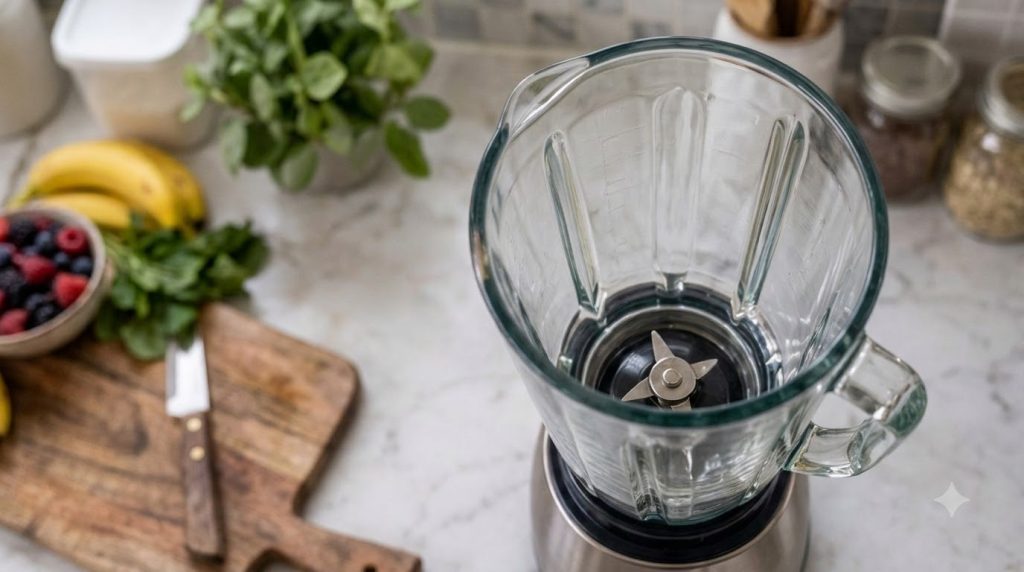
- Food processor or immersion blender
- Rubber spatula
- Airtight container for storage
How to Make High-Protein Mayonnaise
Making your own high-protein mayonnaise is incredibly straightforward. Follow these steps for a perfect batch every time:
-
Prepare Ingredients:
Ensure your hard-boiled eggs are peeled and cooled. Gather all other ingredients and have them ready near your food processor or immersion blender.
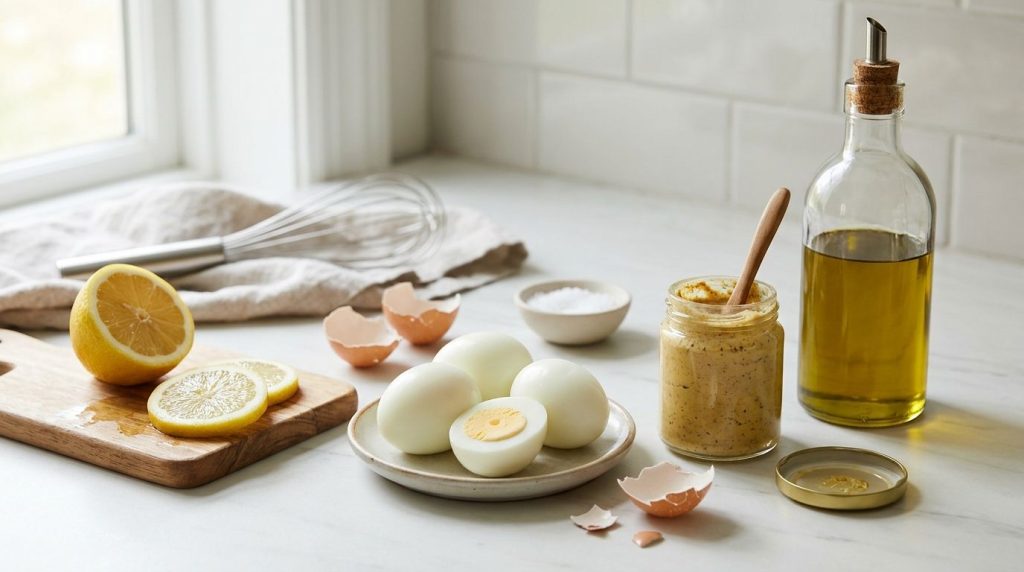
Have all your ingredients prepped and ready for easy blending. -
Combine in Food Processor:
Place the peeled hard-boiled eggs, olive oil (or avocado oil), lemon juice (or white vinegar), Dijon mustard, salt, and pepper into the bowl of your food processor.
-
Blend Until Smooth:
Process the mixture on high speed until it becomes completely smooth and creamy. This may take 1-2 minutes. Stop occasionally to scrape down the sides of the bowl with a rubber spatula to ensure all ingredients are incorporated evenly.
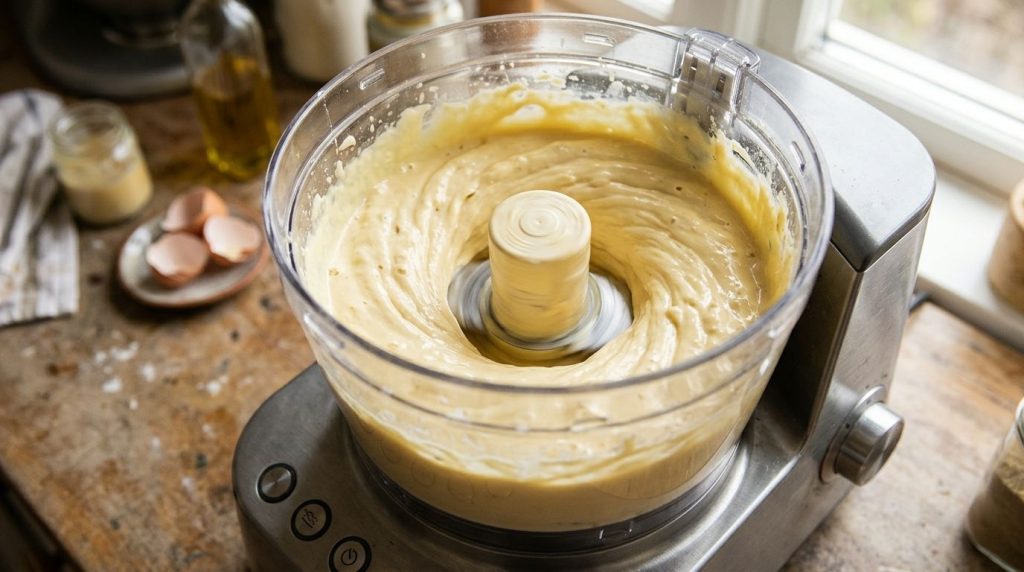
Blend until the mixture is perfectly smooth and has a consistent texture. -
Adjust Consistency (Optional):
If the mayonnaise is too thick for your preference, add cold water one tablespoon at a time, processing after each addition, until you reach your desired creamy consistency. Be careful not to add too much at once.
-
Taste and Season:
Taste the finished mayonnaise and adjust the salt, pepper, or lemon juice as needed. You might want a little more tang or a hint more salt to bring out the flavors.
-
Transfer and Chill:
Scrape the homemade mayonnaise into an airtight container. Cover and refrigerate for at least 30 minutes before serving. Chilling allows the flavors to meld and the mayonnaise to firm up slightly, enhancing its texture.
Pro Tips for the Best Results
- Use Fully Cooled Eggs: Warm eggs can lead to a less stable and potentially runnier mayonnaise. Ensure your hard-boiled eggs are completely cooled before blending.
- Fresh is Best: Opt for fresh lemon juice over bottled for a brighter, more vibrant flavor.
- Scrape Down Often: Hard-boiled eggs can stick to the sides of the food processor. Regularly scrape down the bowl to ensure a consistently smooth texture.
- Gradual Water Addition: If adjusting consistency, add water very slowly, just a tablespoon at a time. It’s easier to add more than to fix a too-thin mayonnaise.
- Season Generously: Don’t be shy with salt and pepper! These seasonings are crucial for enhancing the overall flavor of your mayonnaise.
- Immersion Blender Alternative: If you don’t have a food processor, an immersion blender can work for smaller batches in a tall, narrow container.
Common Mistakes to Avoid
- Not Blending Enough: If your mayonnaise looks grainy or lumpy, it likely hasn’t been processed long enough. Keep blending until it’s silky smooth.
- Adding Too Much Liquid: Over-diluting with water or lemon juice can make your mayonnaise too thin. Always add liquids gradually.
- Warm Ingredients: Using warm eggs or oil can sometimes lead to a less stable emulsion. Cooler ingredients generally yield a better texture.
- Forgetting to Season: Bland mayonnaise is a common complaint. Always taste and adjust salt, pepper, and lemon juice to your preference.
Variations & Substitutions
This high-protein mayonnaise recipe is a fantastic base for various flavor combinations:
- Herbed Mayonnaise: Stir in 1-2 tablespoons of finely chopped fresh herbs like dill, chives, parsley, or tarragon after blending.
- Spicy Mayonnaise: Add a pinch of cayenne pepper, a dash of your favorite hot sauce, or a teaspoon of sriracha to the mixture before blending.
- Garlic Mayonnaise (Aioli-Style): Incorporate 1-2 cloves of minced fresh garlic, or 1/2 teaspoon of garlic powder. Roasted garlic would add an amazing depth of flavor.
- Smoky Mayonnaise: A pinch of smoked paprika or a tiny dash of liquid smoke can add a delicious smoky note.
- Caper Mayonnaise: Add 1 tablespoon of finely chopped capers for a briny, tangy twist.
- Reduced-Oil Version: While this recipe already uses significantly less oil, for an even lighter spread, you can reduce the oil to 1 tablespoon. The texture will be slightly less rich but still delicious.
Serving Suggestions
This high-protein mayonnaise is incredibly versatile and can elevate many dishes:
- Sandwiches and Wraps: Spread it on your favorite bread or tortillas for a protein boost.
- Salad Base: Use it as the creamy binder for chicken salad, tuna salad, egg salad, or potato salad.
- Dipping Sauce: Serve it alongside raw vegetables, oven-baked fries, or grilled chicken tenders.
- Deviled Eggs: It’s essentially a deconstructed deviled egg filling already, making it perfect for filling egg whites.
- Burger or Fish Topping: A dollop on grilled burgers, fish tacos, or baked salmon adds a creamy, flavorful touch.
Storage & Reheating
Refrigerator: Store your homemade high-protein mayonnaise in an airtight container in the refrigerator for up to 3-4 days. Separation may occur over time, but a quick stir will usually bring it back together.
Freezing: This mayonnaise is not suitable for freezing. The texture will likely become watery and separate upon thawing.
Reheating: No reheating is necessary as this is a cold condiment.
FAQ
Here are some common questions about making high-protein mayonnaise:
What makes this mayonnaise high-protein?
Unlike traditional mayonnaise, which is primarily oil with some egg yolk, this recipe uses whole hard-boiled eggs as its base. The white and yolk of the eggs contribute significant protein, making it a much more protein-rich condiment.
Can I make this without oil?
You can try to omit the oil entirely, but the texture will be less like traditional mayonnaise and more like a very creamy egg spread or dip. The oil helps achieve a smoother, more luxurious consistency. If omitting, you might need a tiny bit more water or lemon juice to aid blending.
How long does homemade high-protein mayonnaise last?
When stored properly in an airtight container in the refrigerator, this mayonnaise should last for about 3-4 days. Always use your best judgment regarding freshness.
Can I use a regular blender instead of a food processor?
A regular blender might work, especially if you have a powerful one, but it can be challenging for smaller batches like this. The ingredients might not reach the blades effectively. An immersion blender in a narrow container is usually a better alternative if you don’t have a food processor.
Is this recipe dairy-free?
Yes, this high-protein mayonnaise recipe is naturally dairy-free, as it uses no milk or dairy products.
Can I use any type of oil?
For the best flavor and health benefits, we recommend a light-flavored extra virgin olive oil or avocado oil. Neutral oils like grapeseed or sunflower oil can also work, but avoid strong-flavored oils that might overpower the delicate taste of the mayonnaise.
***
Recipe Card: High-Protein Mayonnaise
Recipe Name: High-Protein Mayonnaise with Hard-Boiled Eggs
Short Description: A creamy, flavorful, and healthier mayonnaise alternative made with hard-boiled eggs, perfect for sandwiches, salads, and dips.
Prep Time: 10 minutes
Cook Time: 0 minutes (assuming pre-boiled eggs)
Total Time: 10 minutes
Servings: Approximately 8-10 (yields about 1 cup)
Course: Condiment
Cuisine: American
Cooking Method: Blending
Ingredients:
- 3 large hard-boiled eggs, peeled
- 2 tbsp (30 ml) extra virgin olive oil or avocado oil
- 1 tbsp (15 ml) fresh lemon juice or white vinegar
- 1 tsp (5 ml) Dijon mustard
- 1/4 tsp salt (or to taste)
- Pinch of black pepper (or to taste)
- 1-2 tbsp (15-30 ml) cold water, optional, for desired consistency
Instructions:
- Prepare Ingredients: Ensure your hard-boiled eggs are peeled and cooled. Gather all other ingredients.
- Combine in Food Processor: Place the peeled hard-boiled eggs, olive oil, lemon juice, Dijon mustard, salt, and pepper into the bowl of your food processor.
- Blend Until Smooth: Process the mixture on high speed for 1-2 minutes until completely smooth and creamy. Scrape down the sides of the bowl as needed.
- Adjust Consistency (Optional): If too thick, add cold water one tablespoon at a time, blending after each addition, until desired consistency is reached.
- Taste and Season: Taste and adjust salt, pepper, or lemon juice as needed.
- Transfer and Chill: Scrape the mayonnaise into an airtight container. Refrigerate for at least 30 minutes before serving to allow flavors to meld and texture to firm up.
Notes:
For the best results, use fully cooled hard-boiled eggs and fresh lemon juice. Regularly scrape down the sides of the food processor bowl to ensure a silky-smooth texture.
Storage:
Store in an airtight container in the refrigerator for up to 3-4 days. Not suitable for freezing.
Nutrition:
Nutrition information is an estimate and may vary depending on the ingredients and brands used.