Welcome, fellow garden enthusiasts! Are you dreaming of a vibrant, flourishing garden with less weeding and healthier plants? The secret might be simpler than you think: mulching! This age-old gardening practice is a game-changer for both novice and experienced gardeners, offering a host of benefits that can transform your green space. Let’s dive into everything you need to know about proper mulching.
What is Mulch and Why is it Essential for Your Garden?
Mulch is simply a layer of material, often organic, applied to the surface of the soil around plants. Think of it as a protective blanket for your garden beds. While it might seem like a simple concept, the impact of mulch on plant health and garden maintenance is profound.
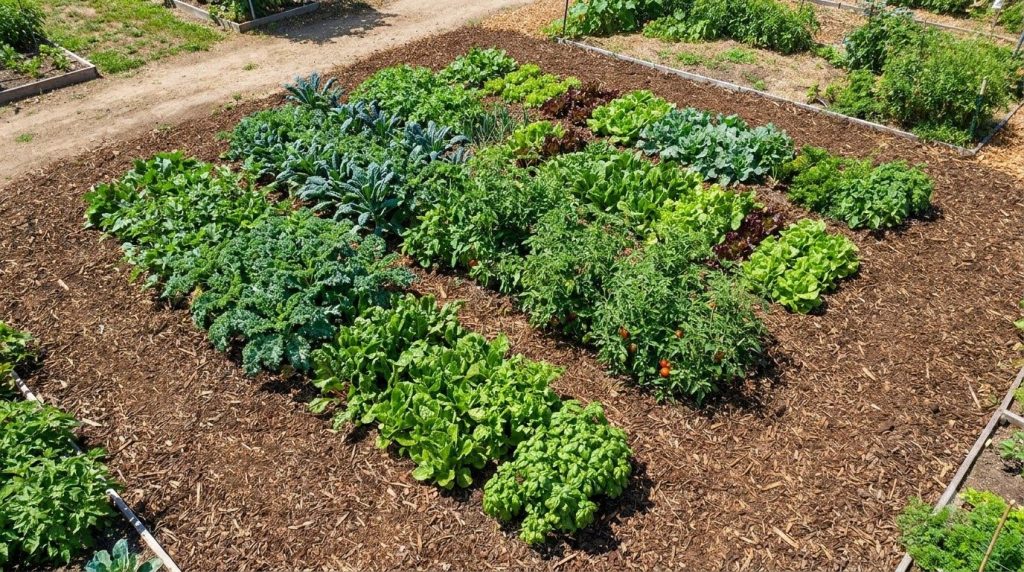 A well-mulched garden is a happy garden!
The Benefits of Mulching: Your Garden’s Best Friend
- Weed Suppression: One of the most cherished benefits! Mulch blocks sunlight, preventing weed seeds from germinating and making it much harder for existing weeds to grow through. This means significantly less time spent pulling weeds!
- Moisture Retention: Mulch acts as a barrier, reducing water evaporation from the soil. This keeps your soil consistently moist, meaning you’ll need to water less frequently, saving both time and water. It’s especially beneficial during dry spells.
- Soil Temperature Regulation: A layer of mulch insulates the soil. It keeps the soil cooler in summer, protecting delicate roots from heat stress, and warmer in winter, providing a buffer against frost and extreme cold.
- Soil Health Improvement: As organic mulches break down, they enrich the soil with vital nutrients, improving its structure, fertility, and microbial activity. This creates a healthier environment for roots to thrive.
- Pest Deterrent: Some types of mulch can help deter certain pests, and a healthy, strong plant is generally more resistant to infestations.
- Erosion Control: Mulch helps prevent soil erosion from rain and wind, keeping your valuable topsoil in place.
- Aesthetic Appeal: A uniform layer of mulch gives your garden beds a neat, finished, and professional look.
Choosing the Right Mulch for Your Garden
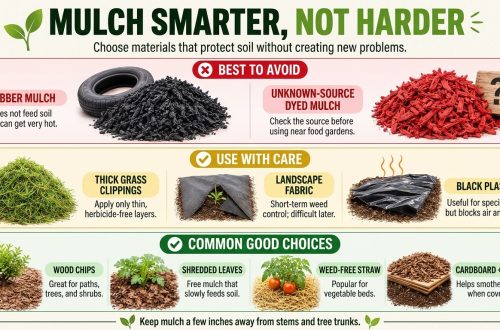
With so many options available, selecting the right type of mulch can feel overwhelming. Here’s a breakdown of popular choices:
Organic Mulches (Biodegradable)
These are fantastic because they break down over time, adding nutrients and organic matter to your soil. They are generally preferred for garden beds.
- Wood Chips/Bark Mulch: Excellent for long-term use around trees, shrubs, and perennial beds. They break down slowly and provide good weed suppression and moisture retention. Avoid using fresh wood chips directly on annuals or vegetables, as they can temporarily tie up nitrogen in the soil.
- Shredded Leaves: A free and readily available option! Leaves break down quickly, enriching the soil. They’re great for vegetable gardens, annuals, and even creating leaf mold for future use.
- Straw: Ideal for vegetable gardens, especially around strawberries, tomatoes, and potatoes. It’s lightweight, improves soil, and keeps fruits clean. Ensure you’re using weed-free straw, not hay.
- Compost: A powerhouse for soil health! Compost is rich in nutrients and improves soil structure. It’s perfect for top-dressing any garden bed or mixing into soil.
- Pine Needles: Great for acid-loving plants like blueberries, rhododendrons, and azaleas. They break down slowly and provide a lovely texture.
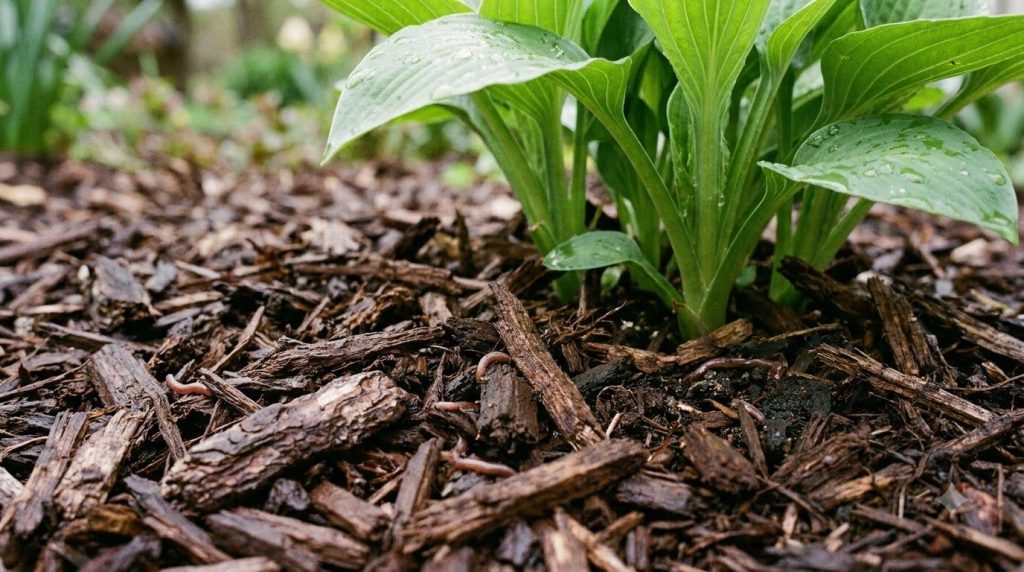 Organic mulches like shredded wood chips enrich your soil over time.
Inorganic Mulches (Non-biodegradable)
These materials do not break down and are often used for decorative purposes or in specific situations.
- River Rock/Gravel: Excellent for pathways, rock gardens, or xeriscaping where water retention is less critical and drainage is desired. They don’t add nutrients to the soil.
- Landscape Fabric: Can be useful for weed suppression under inorganic mulches or in areas where you want to prevent plant growth. However, it can impede water and nutrient penetration over time and can be difficult to remove.
How to Apply Mulch Correctly: A Step-by-Step Guide
Proper application is key to maximizing the benefits of mulch and avoiding common pitfalls.
- Prepare the Area: Weed the bed thoroughly before applying mulch. A clean slate will give your mulch the best chance to suppress new weeds.
- Water the Soil: Ensure the soil is moist before mulching. This locks in existing moisture and prevents the mulch from absorbing water that your plants need.
- Apply an Even Layer: Aim for a layer 2-4 inches deep. Too thin, and it won’t be effective; too thick, and it can suffocate plants or encourage pests. For finer mulches like shredded leaves or compost, 2-3 inches is often sufficient. For coarser mulches like wood chips, 3-4 inches works well.
- Keep Mulch Away from Stems and Trunks: This is crucial! Create a small donut-like ring around the base of plants, leaving a few inches of space. Piling mulch directly against stems or tree trunks (often called a ‘mulch volcano’) can lead to rot, disease, and provide hiding spots for pests.
- Extend Beyond the Drip Line: For trees and shrubs, extend the mulch out to their drip line (the imaginary circle on the ground directly beneath the outer circumference of the branches) to maximize benefits.
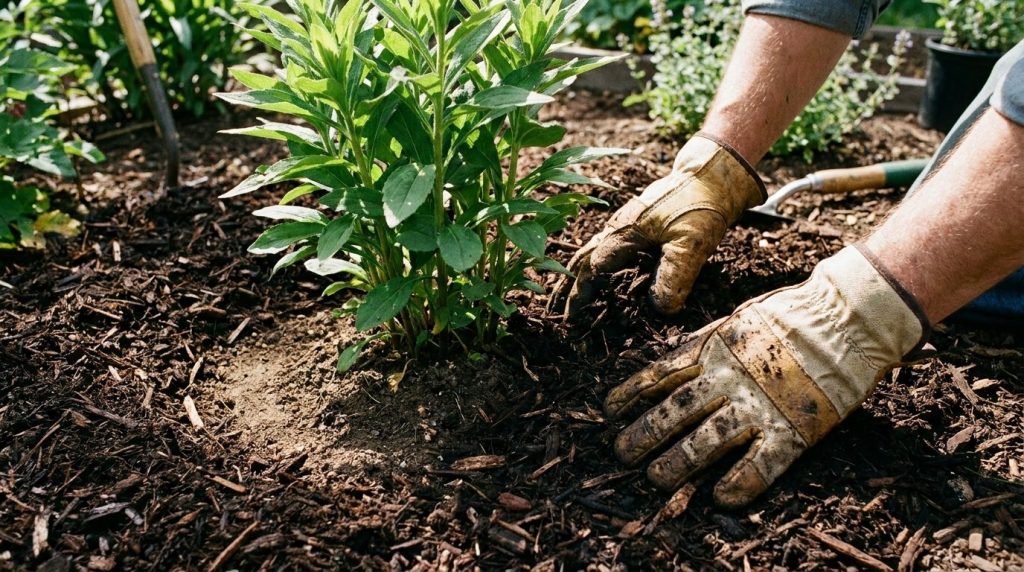 Always leave a small gap between the mulch and the plant stem to prevent rot.
When to Mulch Your Garden
- Spring: This is a popular time to refresh existing mulch or apply new mulch after the soil has warmed up but before summer weeds get established.
- Fall: A layer of mulch in fall can help insulate plant roots from harsh winter temperatures, especially for tender perennials.
- Anytime You Plant: Whenever you add new plants to your garden, mulching around them immediately helps them establish by conserving moisture and suppressing weeds.
Common Mulching Mistakes to Avoid
- Too Much Mulch: Over-mulching (more than 4 inches) can suffocate roots, prevent water penetration, and encourage fungal diseases.
- Mulch Volcanoes: As mentioned, piling mulch against tree trunks or plant stems is detrimental and can cause rot and pest problems.
- Not Weeding First: Mulch will suppress weeds, but it won’t magically eliminate existing ones. Always clear the area first.
- Using Diseased Materials: Avoid mulching with plant materials that show signs of disease, as you could spread pathogens.
Transform Your Garden Today with Mulch!
Mulching is a simple yet incredibly effective practice that can lead to a healthier, more beautiful, and easier-to-maintain garden. By choosing the right type of mulch and applying it correctly, you’ll conserve water, suppress weeds, improve your soil, and give your plants the best possible environment to thrive. It’s an investment in your garden’s future that pays dividends in lush foliage and abundant blooms.
Ready to see the difference for yourself? Grab your favorite mulch and get started!