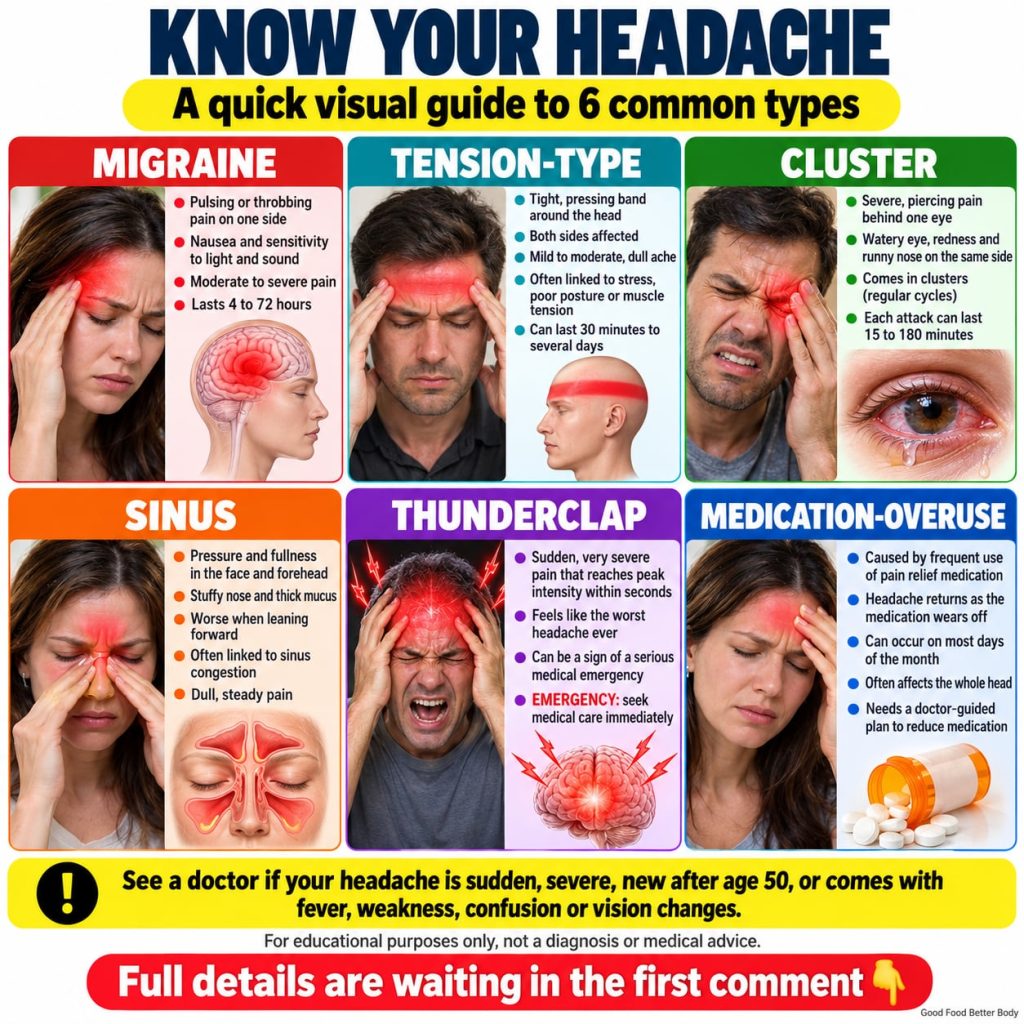
Ever wonder why your headache feels different sometimes? Turns out, ‘just a headache’ isn’t always so simple! This visual guide helps break down 6 common types, so you can better understand what your body might be telling you. Headaches are a universal experience, but their causes, locations, and sensations can vary widely. Knowing the type of headache you’re experiencing can be the first step toward effective relief and management. If something feels off or persistent, always consult a doctor.
Quick Overview
- Main topic: Understanding different headache types
- Best for: Anyone experiencing recurrent headaches, seeking self-awareness about symptoms, or looking for general health education.
- Number of types: 6 distinct headache types
- Prep style: Informational guide, not recipe-based
- Reader benefit: Improved understanding of headache characteristics, aiding in better self-care and communication with healthcare professionals.
Let’s explore the distinct characteristics of six common headache types:
1. Tension Headache

Location: Often feels like a tight band around the forehead, temples, or the back of the head and neck.
Sensation: Dull, aching pain, pressure, or a feeling of tightness. It’s typically not throbbing and is mild to moderate in intensity.
Symptoms: Tenderness in the scalp, neck, and shoulder muscles. Not usually accompanied by nausea, vomiting, or sensitivity to light or sound.
Common Triggers: Stress, anxiety, fatigue, eye strain, poor posture, dehydration, skipping meals.
2. Migraine Headache

Location: Often affects one side of the head, but can be bilateral. Pain can shift during an attack.
Sensation: Moderate to severe throbbing or pulsating pain. Can be debilitating, making daily activities difficult.
Symptoms: Nausea, vomiting, extreme sensitivity to light (photophobia) and sound (phonophobia). Some people experience an ‘aura’—visual disturbances (flashing lights, zigzag lines) or other sensory changes—before the headache begins.
Common Triggers: Stress, hormonal changes (especially in women), certain foods (e.g., aged cheeses, processed meats), alcohol, lack of sleep, weather changes, strong smells, bright lights.
3. Cluster Headache
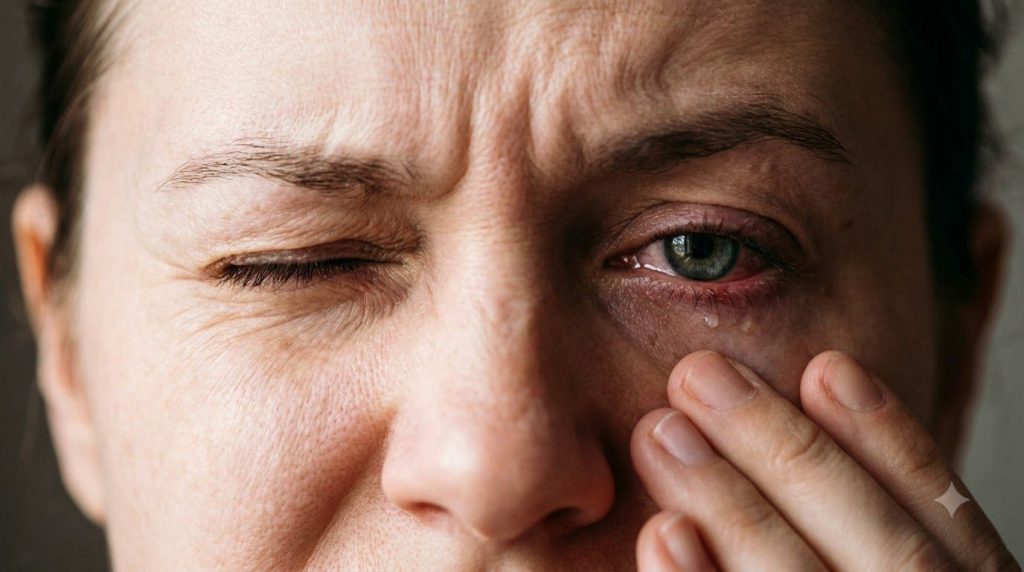
Location: Typically felt around or behind one eye, or in the temple area on one side of the head.
Sensation: Extremely severe, sharp, piercing, or burning pain. Often described as one of the worst types of pain.
Symptoms: Tearing of the eye, redness of the eye, stuffy or runny nose, sweating on the affected side of the face, drooping eyelid, swelling around the eye. Attacks occur in ‘clusters’ (periods of frequent headaches) followed by remission periods.
Common Triggers: Alcohol, smoking, strong smells, high altitudes, certain medications (e.g., nitroglycerin). Sleep deprivation can also be a factor.
4. Sinus Headache

Location: Characterized by deep, constant pain and pressure in the forehead, cheeks, and bridge of the nose.
Sensation: Aching, pressure, and fullness that often worsens with head movement or bending over.
Symptoms: Often accompanied by nasal congestion, runny nose, facial swelling, fatigue, and sometimes fever. These headaches are typically a symptom of a sinus infection (sinusitis) or allergies.
Common Triggers: Sinus infections, allergies, colds, or anything that causes inflammation or blockage in the sinuses.
5. Hormone Headache

Location: Can vary, often similar to tension or migraine headaches.
Sensation: Varied, from dull aches to throbbing pain, depending on the individual and specific hormonal fluctuations.
Symptoms: Often linked to a woman’s menstrual cycle (menstrual migraines), pregnancy, or menopause. May be accompanied by fatigue, mood changes, food cravings, or acne, especially during the pre-menstrual period.
Common Triggers: Fluctuations in estrogen levels, often occurring before or during menstruation, during ovulation, or with the use of hormonal contraception or hormone replacement therapy (HRT).
6. Caffeine Withdrawal Headache

Location: Often starts behind the eyes and moves to the front of the head, or can be a generalized headache.
Sensation: Typically a throbbing, dull, or persistent ache.
Symptoms: Often accompanied by fatigue, irritability, difficulty concentrating, and sometimes nausea. These symptoms begin when a regular caffeine user stops or significantly reduces their intake.
Common Triggers: Abruptly stopping or significantly reducing daily caffeine intake (from coffee, tea, energy drinks, or certain medications).
Simple Tips for Best Results
- Identify Triggers: Keep a headache diary to track potential triggers like foods, stress, sleep patterns, and hormonal changes.
- Stay Hydrated: Dehydration is a common headache trigger. Drink plenty of water throughout the day.
- Manage Stress: Practice relaxation techniques like deep breathing, meditation, or yoga.
- Prioritize Sleep: Aim for 7-9 hours of quality sleep per night. Irregular sleep patterns can trigger headaches.
- Maintain Regular Meals: Skipping meals can lead to low blood sugar, a potential headache trigger.
- Limit Screen Time: Excessive screen time can cause eye strain, contributing to tension headaches.
- Consider OTC Relief: Over-the-counter pain relievers like ibuprofen or acetaminophen may help alleviate mild to moderate pain.
FAQ
Can diet affect headaches?
Yes, certain foods and drinks like aged cheeses, processed meats, artificial sweeteners, and alcohol can be triggers for some individuals, especially those prone to migraines.
When should I see a doctor for my headaches?
You should consult a doctor if your headaches are sudden and severe, accompanied by fever, stiff neck, rash, confusion, seizures, double vision, weakness, numbness, or difficulty speaking. Also seek medical advice if headaches worsen over time, occur frequently, or interfere with daily life.
Are headaches always a sign of something serious?
Most headaches are primary headaches, meaning they are not caused by an underlying condition. However, a small percentage can be secondary headaches, caused by other health issues. It’s crucial to consult a healthcare professional to rule out serious conditions, especially with new or unusual symptoms.
Final Thoughts
Understanding the different types of headaches is a powerful step towards better self-care and managing your well-being. By recognizing the unique patterns and triggers of conditions like tension, migraine, cluster, sinus, hormone, and caffeine withdrawal headaches, you can better communicate with your healthcare provider and find more effective strategies for relief. Listen to your body, stay informed, and always consult a medical professional for persistent or concerning symptoms.
MEDICAL DISCLAIMER:
The information provided in this article is for general knowledge and informational purposes only, and does not constitute medical advice. It is essential to consult with a qualified healthcare professional for any health concerns or before making any decisions related to your health or treatment.