Unlock a world of vibrant flavors right in your own kitchen! Mastering a few fundamental Chinese sauces can transform your everyday meals into extraordinary culinary experiences. Forget bland takeout and endless searching for the perfect store-bought bottle—this guide empowers you to craft authentic, delicious sauces from scratch.
From the savory depth of a classic stir-fry sauce to the tangy sweetness of a sweet and sour glaze, and the fiery kick of a chili garlic blend, these six essential Chinese sauce recipes are your secret weapon for incredible homemade Asian cuisine. Each recipe uses fresh, accessible ingredients and simple techniques, ensuring you can whip up restaurant-quality flavors anytime you wish. Get ready to impress your taste buds and your dinner guests!
Why You’ll Love These Homemade Chinese Sauce Recipes
- Authentic Flavor: Recreate the true taste of your favorite Chinese dishes with fresh ingredients.
- Easy to Make: Most sauces come together in minutes with minimal effort.
- Simple Ingredients: You likely have many of these staple items in your pantry already.
- Versatile Use: Perfect for stir-fries, noodles, dumplings, marinades, dipping, and more.
- No Additives: Control exactly what goes into your food, avoiding preservatives and artificial flavors.
- Cost-Effective: Making sauces at home is often more economical than buying pre-made versions.
- Customizable: Adjust sweetness, spice, and tang to perfectly suit your palate.
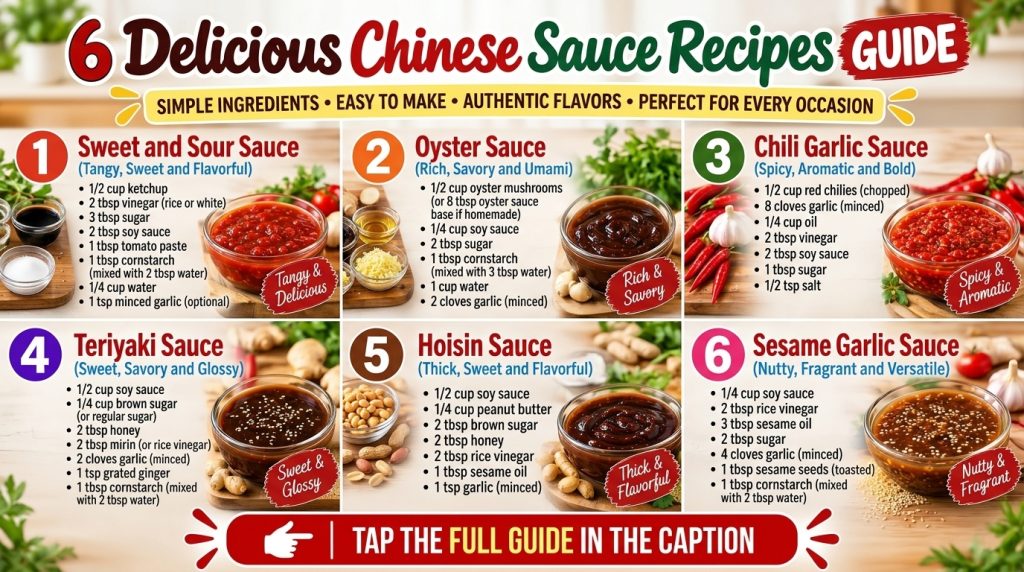
Ingredients for Your Essential Chinese Sauce Recipes
1. Classic Stir-Fry Sauce
- ½ cup (120 ml) low-sodium soy sauce
- ¼ cup (60 ml) chicken or vegetable broth (or water)
- 2 tablespoons (30 ml) rice vinegar
- 1 tablespoon (15 ml) sesame oil
- 2 tablespoons (25 g) brown sugar, packed
- 1 tablespoon (15 g) cornstarch
- 1 teaspoon grated fresh ginger
- 2 cloves garlic, minced
2. Tangy Dumpling Dipping Sauce
- ¼ cup (60 ml) low-sodium soy sauce
- ¼ cup (60 ml) rice vinegar
- 1 tablespoon (15 ml) sesame oil
- 1 tablespoon chili oil (adjust to taste)
- 1 teaspoon grated fresh ginger
- 1 clove garlic, minced
- 1 tablespoon finely chopped green onions (scallions)
3. Spicy Chili Garlic Sauce
- ½ cup (120 ml) neutral oil (canola, vegetable, or peanut)
- ¼ cup (25 g) dried red chili flakes
- 4 cloves garlic, minced
- 1 tablespoon grated fresh ginger
- 2 tablespoons (30 ml) low-sodium soy sauce
- 1 tablespoon (15 ml) rice vinegar
- 1 teaspoon sugar
4. Sweet and Sour Sauce
- ½ cup (120 ml) ketchup
- ¼ cup (60 ml) rice vinegar
- ¼ cup (50 g) granulated sugar
- 2 tablespoons (30 ml) low-sodium soy sauce
- ¼ cup (60 ml) water or pineapple juice
- 1 tablespoon (15 g) cornstarch
5. Creamy Sesame Peanut Sauce
- ½ cup (128 g) creamy peanut butter
- ¼ cup (60 ml) low-sodium soy sauce
- 2 tablespoons (30 ml) rice vinegar
- 1 tablespoon (15 ml) sesame oil
- 1 tablespoon (15 ml) honey or maple syrup
- 1 teaspoon grated fresh ginger
- 1 clove garlic, minced
- ¼ cup (60 ml) warm water (or more, for desired consistency)
6. Fresh Ginger Scallion Oil
- ½ cup (120 ml) neutral oil (canola, vegetable, or peanut)
- ¼ cup finely minced fresh ginger (from about a 3-inch piece)
- ½ cup finely chopped green onions (scallions), white and green parts
- ½ teaspoon salt
Ingredient Notes
- Soy Sauce: Use low-sodium soy sauce to better control the saltiness. If using regular soy sauce, you might need to adjust other salty ingredients. Tamari is a great gluten-free alternative.
- Rice Vinegar: This adds a mild tang essential to Chinese flavors. Do not substitute with white vinegar, which is too harsh. Mirin can be used for a slightly sweeter, milder tang.
- Sesame Oil: Toasted sesame oil is key for its distinctive nutty aroma. It’s usually added at the end of cooking or mixed in cold for maximum fragrance.
- Cornstarch: Used as a thickening agent. Always mix cornstarch with a cold liquid (water, broth, or part of the sauce liquid) before adding it to hot sauces to prevent lumps.
- Fresh Ginger & Garlic: These aromatic staples are indispensable. Freshly grated or minced will always offer the best flavor.
- Chili Oil/Flakes: Adjust the quantity based on your preferred spice level. For the Chili Garlic Sauce, dried flakes provide texture and heat.
Equipment You’ll Need
- Small mixing bowls
- Whisk
- Measuring cups and spoons
- Grater (for ginger)
- Cutting board and sharp knife
- Small saucepan (for some sauces)
How to Make These Essential Chinese Sauce Recipes
1. Classic Stir-Fry Sauce
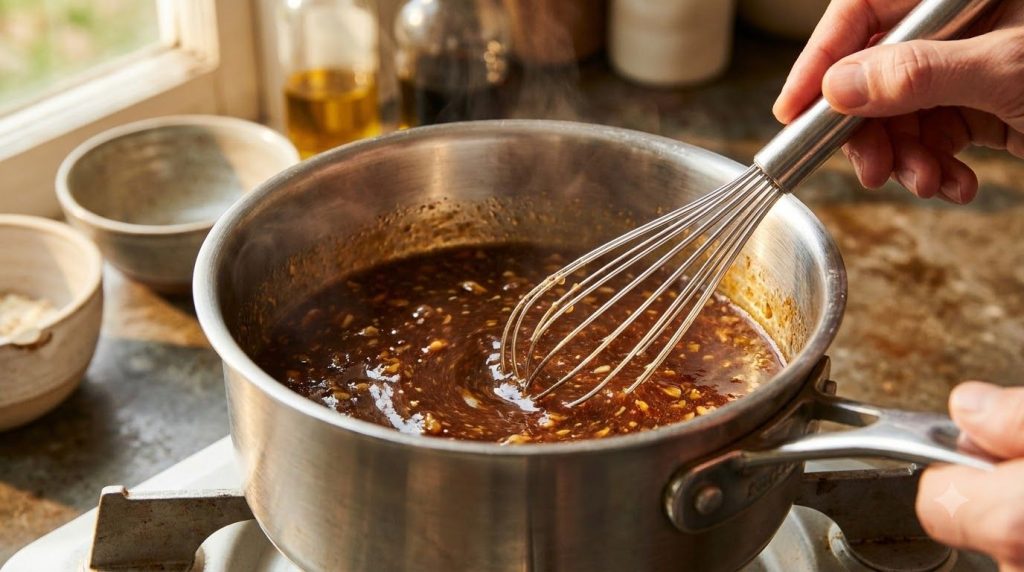
- In a small bowl, combine the soy sauce, broth (or water), rice vinegar, sesame oil, and brown sugar. Whisk until the sugar is fully dissolved.
- In a separate tiny bowl, mix the cornstarch with 1 tablespoon of cold water to form a slurry.
- Add the grated ginger and minced garlic to the soy sauce mixture.
- Pour the sauce mixture into a small saucepan over medium heat. Bring to a gentle simmer.
- Slowly whisk in the cornstarch slurry. Continue whisking constantly for 1-2 minutes until the sauce thickens to your desired consistency. It should be glossy and coat the back of a spoon.
- Remove from heat and use immediately or let cool completely before storing.
2. Tangy Dumpling Dipping Sauce
- In a small bowl, whisk together the soy sauce, rice vinegar, sesame oil, and chili oil until well combined.
- Stir in the grated ginger, minced garlic, and chopped green onions.
- Taste and adjust chili oil or soy sauce as needed. Serve immediately or store.
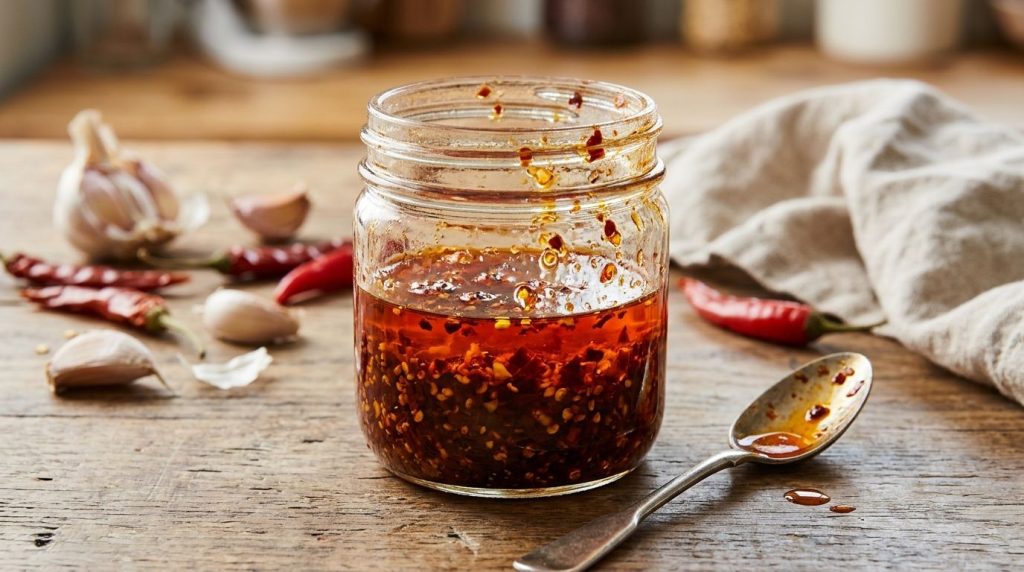
3. Spicy Chili Garlic Sauce
- Heat the neutral oil in a small saucepan or skillet over medium-low heat.
- Add the chili flakes, minced garlic, and grated ginger to the oil. Cook gently for 5-7 minutes, stirring occasionally, until the garlic is fragrant and lightly golden. Be careful not to burn the garlic.
- Remove from heat. Stir in the soy sauce, rice vinegar, and sugar. Mix well.
- Allow the sauce to cool completely to let the flavors meld before transferring to a jar. The oil will continue to infuse with flavor as it cools.
4. Sweet and Sour Sauce
- In a small saucepan, whisk together the ketchup, rice vinegar, granulated sugar, and soy sauce.
- In a separate small bowl, mix the water (or pineapple juice) with the cornstarch to create a slurry.
- Place the saucepan over medium heat and bring the sauce mixture to a gentle simmer, stirring constantly until the sugar dissolves.
- Slowly whisk in the cornstarch slurry. Continue to whisk for 1-2 minutes until the sauce thickens and becomes glossy.
- Remove from heat and use warm or let cool before storing.
5. Creamy Sesame Peanut Sauce
- In a medium bowl, combine the creamy peanut butter, soy sauce, rice vinegar, sesame oil, and honey (or maple syrup).
- Add the grated ginger and minced garlic.
- Gradually whisk in the warm water, starting with ¼ cup, until the sauce reaches a smooth, creamy, and pourable consistency. You may need a little more or less water.
- Taste and adjust seasonings, adding more honey for sweetness or soy sauce for saltiness, if desired.
- Serve immediately or store in the refrigerator.
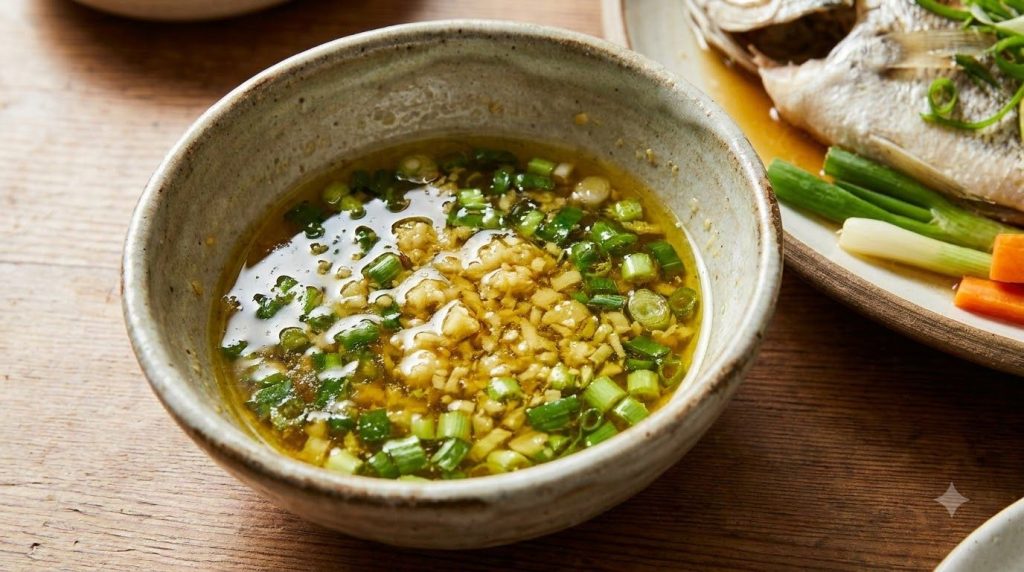
6. Fresh Ginger Scallion Oil
- In a heatproof bowl, combine the finely minced fresh ginger and finely chopped green onions. Sprinkle with salt and mix lightly.
- Heat the neutral oil in a small saucepan over medium-high heat until it just begins to smoke lightly (around 350-375°F / 175-190°C).
- Carefully pour the hot oil over the ginger and scallion mixture in the bowl. It will sizzle vigorously.
- Stir gently to combine. Allow to cool completely before using or storing. The oil will infuse with the aromatics as it cools.
Pro Tips for the Best Results
- Balance is Key: Chinese sauces often play with a balance of sweet, sour, salty, and umami. Always taste your sauces and adjust as needed.
- Fresh Aromatics: Always use fresh ginger and garlic for the most vibrant flavor. Pre-minced versions from a jar won’t offer the same depth.
- Cornstarch Slurry: When thickening with cornstarch, always make a slurry with cold liquid first to avoid lumps. Add it slowly while whisking vigorously.
- Don’t Overcook Thickened Sauces: Once a cornstarch-thickened sauce reaches your desired consistency, remove it from the heat. Overcooking can break down the cornstarch, making the sauce thin again.
- Adjust Spice Levels: For chili-based sauces, start with a smaller amount of chili and add more to taste.
- Cool Completely Before Storing: This prevents condensation which can dilute the sauce or promote spoilage.
Common Mistakes to Avoid
- Skipping the Cornstarch Slurry: Adding cornstarch directly to hot liquid will result in a lumpy sauce.
- Burning Aromatics: When sautéing ginger or garlic, keep the heat low to medium-low to prevent burning, which can make them bitter.
- Using Regular Soy Sauce Indiscriminately: Regular soy sauce is much saltier than low-sodium. If using it, reduce other salty components or dilute slightly.
- Not Tasting and Adjusting: Recipes are a guide. Taste your sauce throughout the process and adjust seasonings (sweetness, acidity, saltiness, spice) to your personal preference.
- Using Harsh Vinegars: White vinegar is too strong for most Chinese sauces. Stick to rice vinegar for its mild, balanced acidity.
Variations & Substitutions
- Spice It Up: Add a pinch of white pepper, a dash of hot sauce, or more fresh chilies to any sauce for an extra kick.
- Sweetener Swaps: Honey, maple syrup, or agave can often be substituted for sugar in equal amounts, though flavor may vary slightly.
- Gluten-Free: Use tamari instead of soy sauce for a gluten-free option. Ensure other ingredients (like chili oil) are also gluten-free.
- Vegetarian/Vegan: Ensure broths are vegetable-based. All these sauces are naturally vegan if using vegetable broth and a plant-based sweetener like maple syrup.
- Nut-Free Peanut Sauce: For a nut-free version of the Sesame Peanut Sauce, try using sunbutter (sunflower seed butter).
- Orange Flavor: Add a teaspoon of orange zest or a splash of orange juice to the Sweet and Sour Sauce for a citrusy twist.
Serving Suggestions
- Classic Stir-Fry Sauce: The perfect companion for any stir-fry with chicken, beef, shrimp, or tofu and your favorite vegetables, served over rice or noodles.
- Tangy Dumpling Dipping Sauce: Essential for potstickers, wontons, spring rolls, and even as a dressing for Asian-inspired salads.
- Spicy Chili Garlic Sauce: Drizzle over noodles, fried rice, eggs, pizza, grilled meats, or stir into soups for an instant flavor boost.
- Sweet and Sour Sauce: Classic for sweet and sour chicken, pork, shrimp, or as a dipping sauce for appetizers like egg rolls and crab rangoons.
- Creamy Sesame Peanut Sauce: Toss with cold noodles for a sesame peanut noodle salad, use as a dressing for chicken or vegetable salads, or as a dipping sauce for chicken satay skewers.
- Fresh Ginger Scallion Oil: Traditionally served over steamed fish or chicken, it’s also excellent over plain rice, blanched vegetables, or as a finishing oil for soups and noodle dishes.
Storage & Reheating
Most homemade Chinese sauces can be stored in airtight containers in the refrigerator for about 5-7 days. Chili Garlic Sauce, due to its oil base and garlic content, can last longer, typically 2-3 weeks, but always use a clean spoon to prevent contamination.
For sauces containing cornstarch, like the Stir-Fry Sauce and Sweet and Sour Sauce, they may thicken further in the refrigerator. To reheat, gently warm them on the stovetop over low heat, whisking constantly, and add a splash of water or broth to thin them out if necessary. The Peanut Sauce might also require a stir and a bit more water to regain its creamy consistency.
Ginger Scallion Oil can be stored at room temperature in a sealed container for up to 3 days, or in the refrigerator for up to 1 week. If refrigerating, the oil may solidify; simply let it come to room temperature or gently warm it until liquid again.
FAQ
Can I make these sauces ahead of time?
Yes, absolutely! Most of these sauces are excellent for meal prep. Prepare them in advance and store them in the refrigerator, making weeknight cooking much faster.
Can I freeze these sauces?
Some sauces, like the Stir-Fry Sauce and Sweet and Sour Sauce (without cornstarch, or adding it upon thawing), can be frozen for up to 2-3 months. However, sauces with fresh aromatics like ginger and garlic, or those thickened with cornstarch, might lose some texture or intensity upon thawing. Peanut sauce can also be frozen, but may require vigorous whisking and re-emulsifying with a little water after thawing.
Why did my stir-fry sauce turn lumpy?
This usually happens if the cornstarch was added directly to hot liquid without first being dissolved in a cold liquid (creating a slurry). Always make a slurry first, then whisk it in slowly.
What can I substitute for rice vinegar?
For a similar mild acidity, you can sometimes use apple cider vinegar in a pinch, but it will slightly alter the flavor profile. White vinegar is generally too strong.
How do I know when the Chili Garlic Sauce oil is hot enough?
The oil is ready when it shimmers slightly and a tiny piece of garlic or chili flake dropped in sizzles immediately. Be careful not to let it smoke excessively, which can burn the aromatics.
Can I use dried ginger or garlic powder instead of fresh?
While you can, fresh ginger and garlic offer a much more vibrant and authentic flavor. If substituting, use about ¼ teaspoon of powder for every 1 teaspoon of fresh minced ingredient, but be aware the flavor will be less potent.
My peanut sauce is too thick. What can I do?
Simply whisk in a tablespoon of warm water or broth at a time until it reaches your desired consistency.
How can I make the Sweet and Sour Sauce less sweet?
Reduce the amount of sugar slightly. You can also increase the rice vinegar by a teaspoon or two to balance the sweetness with more tang.
Recipe Card: Essential Chinese Sauces
These foundational Chinese sauces are your key to unlocking incredible Asian flavors at home. Each recipe is simple, versatile, and packed with authentic taste, perfect for elevating stir-fries, noodles, dumplings, and more!
Prep Time: 10-15 minutes
Cook Time: 5-10 minutes (for cooked sauces)
Total Time: 15-25 minutes
Servings: Varies by sauce (approx. 4-8 servings per sauce)
Course: Sauce, Condiment
Cuisine: Chinese, Asian
Cooking Method: Whisking, Simmering, Infusion
Ingredients:
1. Classic Stir-Fry Sauce
- ½ cup (120 ml) low-sodium soy sauce
- ¼ cup (60 ml) chicken or vegetable broth (or water)
- 2 tablespoons (30 ml) rice vinegar
- 1 tablespoon (15 ml) sesame oil
- 2 tablespoons (25 g) brown sugar, packed
- 1 tablespoon (15 g) cornstarch
- 1 teaspoon grated fresh ginger
- 2 cloves garlic, minced
2. Tangy Dumpling Dipping Sauce
- ¼ cup (60 ml) low-sodium soy sauce
- ¼ cup (60 ml) rice vinegar
- 1 tablespoon (15 ml) sesame oil
- 1 tablespoon chili oil (adjust to taste)
- 1 teaspoon grated fresh ginger
- 1 clove garlic, minced
- 1 tablespoon finely chopped green onions (scallions)
3. Spicy Chili Garlic Sauce
- ½ cup (120 ml) neutral oil (canola, vegetable, or peanut)
- ¼ cup (25 g) dried red chili flakes
- 4 cloves garlic, minced
- 1 tablespoon grated fresh ginger
- 2 tablespoons (30 ml) low-sodium soy sauce
- 1 tablespoon (15 ml) rice vinegar
- 1 teaspoon sugar
4. Sweet and Sour Sauce
- ½ cup (120 ml) ketchup
- ¼ cup (60 ml) rice vinegar
- ¼ cup (50 g) granulated sugar
- 2 tablespoons (30 ml) low-sodium soy sauce
- ¼ cup (60 ml) water or pineapple juice
- 1 tablespoon (15 g) cornstarch
5. Creamy Sesame Peanut Sauce
- ½ cup (128 g) creamy peanut butter
- ¼ cup (60 ml) low-sodium soy sauce
- 2 tablespoons (30 ml) rice vinegar
- 1 tablespoon (15 ml) sesame oil
- 1 tablespoon (15 ml) honey or maple syrup
- 1 teaspoon grated fresh ginger
- 1 clove garlic, minced
- ¼ cup (60 ml) warm water (or more, for desired consistency)
6. Fresh Ginger Scallion Oil
- ½ cup (120 ml) neutral oil (canola, vegetable, or peanut)
- ¼ cup finely minced fresh ginger (from about a 3-inch piece)
- ½ cup finely chopped green onions (scallions), white and green parts
- ½ teaspoon salt
Instructions:
1. Classic Stir-Fry Sauce
- In a small bowl, combine the soy sauce, broth (or water), rice vinegar, sesame oil, and brown sugar. Whisk until the sugar is fully dissolved.
- In a separate tiny bowl, mix the cornstarch with 1 tablespoon of cold water to form a slurry.
- Add the grated ginger and minced garlic to the soy sauce mixture.
- Pour the sauce mixture into a small saucepan over medium heat. Bring to a gentle simmer.
- Slowly whisk in the cornstarch slurry. Continue whisking constantly for 1-2 minutes until the sauce thickens to your desired consistency.
- Remove from heat and use immediately or let cool completely before storing.
2. Tangy Dumpling Dipping Sauce
- In a small bowl, whisk together the soy sauce, rice vinegar, sesame oil, and chili oil until well combined.
- Stir in the grated ginger, minced garlic, and chopped green onions.
- Taste and adjust chili oil or soy sauce as needed. Serve immediately or store.
3. Spicy Chili Garlic Sauce
- Heat the neutral oil in a small saucepan or skillet over medium-low heat.
- Add the chili flakes, minced garlic, and grated ginger to the oil. Cook gently for 5-7 minutes, stirring occasionally, until the garlic is fragrant and lightly golden.
- Remove from heat. Stir in the soy sauce, rice vinegar, and sugar. Mix well.
- Allow the sauce to cool completely to let the flavors meld before transferring to a jar.
4. Sweet and Sour Sauce
- In a small saucepan, whisk together the ketchup, rice vinegar, granulated sugar, and soy sauce.
- In a separate small bowl, mix the water (or pineapple juice) with the cornstarch to create a slurry.
- Place the saucepan over medium heat and bring the sauce mixture to a gentle simmer, stirring constantly until the sugar dissolves.
- Slowly whisk in the cornstarch slurry. Continue to whisk for 1-2 minutes until the sauce thickens and becomes glossy.
- Remove from heat and use warm or let cool before storing.
5. Creamy Sesame Peanut Sauce
- In a medium bowl, combine the creamy peanut butter, soy sauce, rice vinegar, sesame oil, and honey (or maple syrup).
- Add the grated ginger and minced garlic.
- Gradually whisk in the warm water, starting with ¼ cup, until the sauce reaches a smooth, creamy, and pourable consistency.
- Taste and adjust seasonings, adding more honey for sweetness or soy sauce for saltiness, if desired.
- Serve immediately or store in the refrigerator.
6. Fresh Ginger Scallion Oil
- In a heatproof bowl, combine the finely minced fresh ginger and finely chopped green onions. Sprinkle with salt and mix lightly.
- Heat the neutral oil in a small saucepan over medium-high heat until it just begins to smoke lightly (around 350-375°F / 175-190°C).
- Carefully pour the hot oil over the ginger and scallion mixture in the bowl. It will sizzle vigorously.
- Stir gently to combine. Allow to cool completely before using or storing.
Notes:
Always taste your sauces and adjust seasonings to your preference. Fresh ingredients make a significant difference in flavor. For cornstarch-thickened sauces, ensure you create a slurry with cold liquid first to prevent lumps.
Storage:
Store most sauces in airtight containers in the refrigerator for 5-7 days. Chili Garlic Sauce can last 2-3 weeks. Ginger Scallion Oil can be refrigerated for up to 1 week, or kept at room temperature for up to 3 days.
Nutrition:
Nutrition information is an estimate and may vary depending on the ingredients and brands used.

