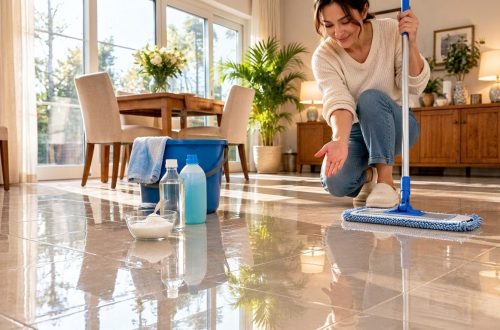
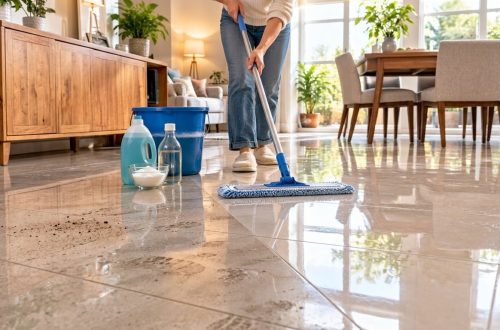
Are you tired of tackling stubborn grime with harsh chemicals, or constantly running out of your favorite cleaner? What if your next powerful cleaning solution was already in your pantry? This simple, homemade mix can help you tackle everyday dirt and leave surfaces sparkling, often with ingredients you already have on hand. Imagine a fresh, clean home without the overpowering fumes or constant scrubbing.
It’s easier than you think to whip up an effective, budget-friendly solution that gets the job done.
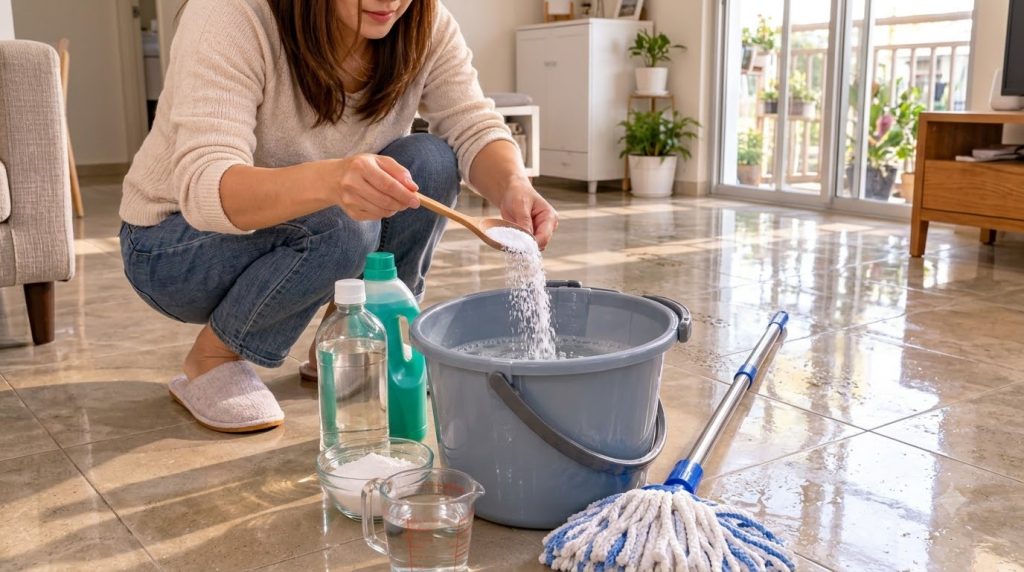
What You’ll Need
Materials:
- ½ cup Baking Soda
- 1 tablespoon Liquid Dish Soap (gentle or eco-friendly type)
- 1 gallon Warm Water
Tools:
- A clean Bucket (around 1-gallon capacity)
- Measuring cup and spoon
- Wooden spoon or stirrer
- Mop or cleaning cloth
Why This DIY Can Be Useful
This homemade cleaning solution harnesses the power of common household ingredients for effective cleaning without harsh chemicals.
- Baking Soda: Known for its mild abrasive qualities, baking soda helps scrub away grime and deodorize surfaces. It’s excellent for cutting through grease and neutralizing odors.
- Liquid Dish Soap: A fantastic degreaser, dish soap helps to break down oily residues and lift dirt from surfaces, allowing it to be easily wiped away. Using a gentle, eco-friendly version keeps your cleaning routine kinder to the environment and your home.
How to Make It
- Add Baking Soda: Pour ½ cup of baking soda directly into your clean bucket.
- Introduce Dish Soap: Add 1 tablespoon of liquid dish soap to the baking soda in the bucket.
- Add Warm Water: Slowly pour 1 gallon of warm water into the bucket. The warm water helps dissolve the baking soda and activate the soap.
- Stir to Combine: Use your wooden spoon or stirrer to gently mix the ingredients until the baking soda is mostly dissolved and the solution is bubbly. Avoid stirring too vigorously, which can create excessive suds.
How to Use It
For Floors:
This solution is particularly effective for cleaning hard floors like tile, linoleum, or sealed concrete.
- Dip Mop: Dip your mop into the prepared cleaning solution, wringing out any excess so the mop is damp, not soaking wet.
- Mop Floors: Mop your floors in sections, paying extra attention to any grimy spots. The baking soda acts as a mild scrub.
- Rinse (Optional but Recommended): For best results and to prevent any residue, follow up by mopping with plain, clean water. This step helps ensure a streak-free finish.
- Allow to Dry: Let your floors air dry completely before walking on them.
For General Surface Cleaning:
You can also use this solution for countertops (check compatibility first), sinks, and other washable surfaces.
- Dampen Cloth: Dip a clean cloth or sponge into the solution and wring it out well.
- Wipe Surfaces: Wipe down surfaces, scrubbing gently on tougher spots.
- Rinse and Dry: Rinse the surface with a clean, damp cloth and then dry with a separate, clean cloth to prevent streaks.
What to Expect
You can expect a noticeably cleaner home with less visible grime and a fresh, neutral scent. While this solution is effective, remember that very deeply ingrained stains or heavy buildup might require more concentrated treatments or repeated applications. It’s designed for everyday cleaning and maintaining a fresh environment, leaving your surfaces sparkling rather than dull.
Helpful Tips
- Pre-Clean Floors: Always sweep or vacuum your floors before mopping to remove loose dirt and debris, which will make your cleaning more effective.
- Warm Water Works Best: Warm water helps dissolve baking soda more quickly and generally improves the cleaning power of the solution.
- Test in an Inconspicuous Area: Before applying to an entire surface, especially new or delicate ones, always test the solution in a small, hidden spot to ensure there are no adverse reactions or discoloration.
- Store Properly: If you have leftover solution, you can store it in a sealed container for a few days, but it’s generally best to make a fresh batch for optimal effectiveness.
Important Notes / Safety
- Ventilation: While this solution uses mild ingredients, always ensure good ventilation when cleaning, especially in enclosed spaces.
- Surface Compatibility: While generally safe, avoid using baking soda on highly polished or delicate surfaces that could be scratched, or on porous materials like unsealed natural stone where residue might be left behind. Always patch test.
- Avoid Mixing: Do not mix this solution with other chemical cleaners, especially those containing bleach or ammonia, as this can create dangerous fumes.
- Keep Out of Reach: Store ingredients and the mixed solution out of reach of children and pets.