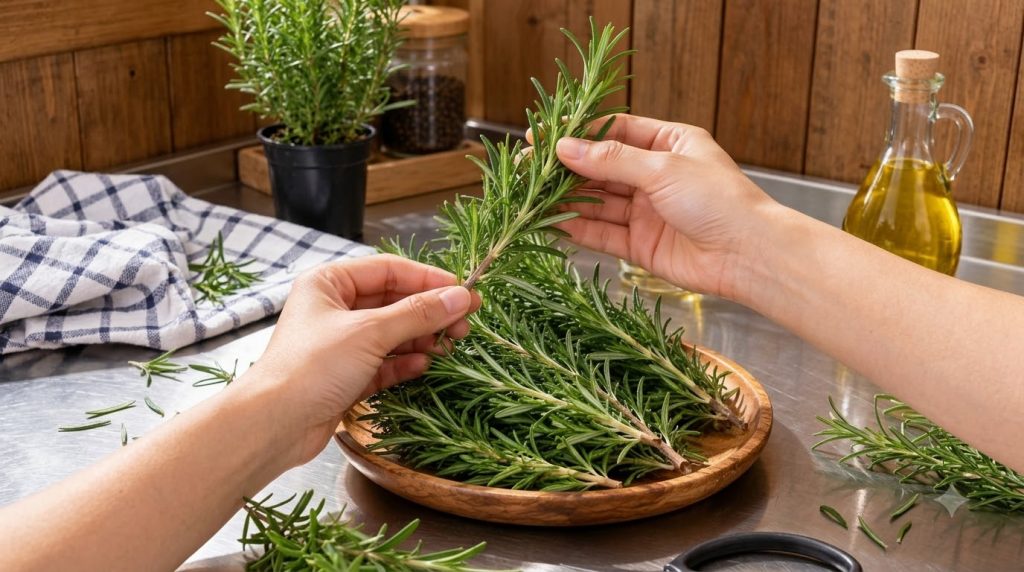
The delightful scent of fresh rosemary isn’t just for your kitchen; it holds a secret power that can transform your garden into a thriving, healthier ecosystem. Known for its aromatic leaves and beautiful purple-blue flowers, rosemary is more than just a culinary herb. When used as a companion plant, it becomes a natural protector and enhancer for many of your favorite vegetables, herbs, and flowers.
If you’ve been looking for simple, organic ways to improve your garden’s health, deter pests, and encourage growth without resorting to harsh chemicals, then rosemary companion planting might be exactly what you need. Let’s explore how this fragrant herb can bring a breath of fresh air and a boost of vitality to your green space!
The Magic of Rosemary in Your Garden
Rosemary (Rosmarinus officinalis) is a beloved evergreen shrub, cherished for its distinctive fragrance and flavor. But its benefits extend far beyond seasoning your meals. In the garden, rosemary acts as a powerful ally, offering several advantages:
- Natural Pest Deterrent: Its strong aroma is disliked by many common garden pests, including cabbage moths, carrot rust flies, slugs, and bean beetles.
- Attracts Beneficial Insects: While it repels harmful pests, rosemary flowers can attract pollinators like bees and beneficial predators like hoverflies, which help control aphid populations.
- Improved Plant Vigor: Some studies suggest that the presence of rosemary can stimulate growth and improve the overall health of nearby plants.
- Soil Health: As a perennial, rosemary helps stabilize soil, and its root system can improve soil structure over time.
Understanding Companion Planting
Companion planting is an age-old gardening technique that involves strategically placing different plant species close to each other to enhance growth, deter pests, and attract beneficial insects. It’s like building a friendly neighborhood in your garden where everyone helps each other thrive. Rosemary, with its robust nature and strong scent, is an excellent candidate for this practice.
Best Companions for Rosemary
Rosemary is a versatile companion, pairing well with a variety of garden inhabitants. Here are some of its best companions:
Vegetables That Love Rosemary
- Cabbage and Other Brassicas (Broccoli, Cauliflower, Kale): Rosemary is particularly effective at deterring the dreaded cabbage moth, whose caterpillars can devastate brassica leaves. Planting rosemary nearby can significantly reduce damage.
- Carrots: The strong scent of rosemary helps to mask the smell of carrots, making it harder for carrot rust flies to locate them.
- Beans: Rosemary can help repel bean beetles, protecting your bean plants from defoliation.
- Sage: Both rosemary and sage thrive in similar conditions and offer mutual pest protection.
Herbs and Flowers That Thrive with Rosemary
- Lavender: These Mediterranean herbs share similar needs (full sun, well-draining soil) and complement each other beautifully, both aesthetically and in terms of pest control.
- Marigolds: Known for their pest-repelling properties, marigolds work synergistically with rosemary to create a robust defense against unwanted garden visitors.
- Nasturtiums: These cheerful flowers can act as a trap crop for aphids, drawing them away from your more valuable plants, while rosemary adds another layer of protection.
Plants to Keep Away from Rosemary
While rosemary is a generous companion, there are a few plants that don’t quite get along with it:
- Mint: Mint is a notorious spreader and can quickly overtake rosemary, competing for resources. It’s best to grow mint in containers to control its growth.
- Shade-Loving Plants: Rosemary thrives in full sun and well-draining soil. Plants that prefer shade or very moist conditions will not do well next to rosemary, as their needs are fundamentally different.
How to Incorporate Rosemary into Your Garden
Adding rosemary to your companion planting strategy is straightforward:
- Choose the Right Spot: Rosemary loves full sun (at least 6-8 hours daily) and well-drained soil. It’s drought-tolerant once established.
- Strategic Placement: Plant rosemary strategically around or between the plants you wish to protect. For example, plant a rosemary bush at the ends of your cabbage rows or intersperse smaller rosemary plants among your carrots.
- Container Gardening: If you have limited space or want to move your rosemary around, planting it in a container and placing it near susceptible plants works wonderfully.
- Pruning: Regular pruning not only keeps your rosemary bushy and productive for culinary use but also helps release its aromatic oils, enhancing its pest-deterring capabilities.
- Water Wisely: Water rosemary thoroughly but allow the soil to dry out between waterings. Overwatering can lead to root rot.
Embracing rosemary companion planting is an easy and rewarding way to cultivate a more resilient and vibrant garden. You’ll not only enjoy healthier plants and fewer pests but also have a steady supply of fresh, aromatic rosemary for all your culinary adventures. So, go ahead, give your garden the gift of freshness, and watch it flourish!