Most people cherish the sweet, tropical fruit of the guava tree, but the leaves are what many herbalists quietly rely on. Often discarded, these humble leaves hold a wealth of natural compounds that have been traditionally used for a surprising range of well-being applications. Neglecting the leaves means missing out on a simple, accessible natural remedy that could easily become a staple in your home.
What Are Guava Leaves?
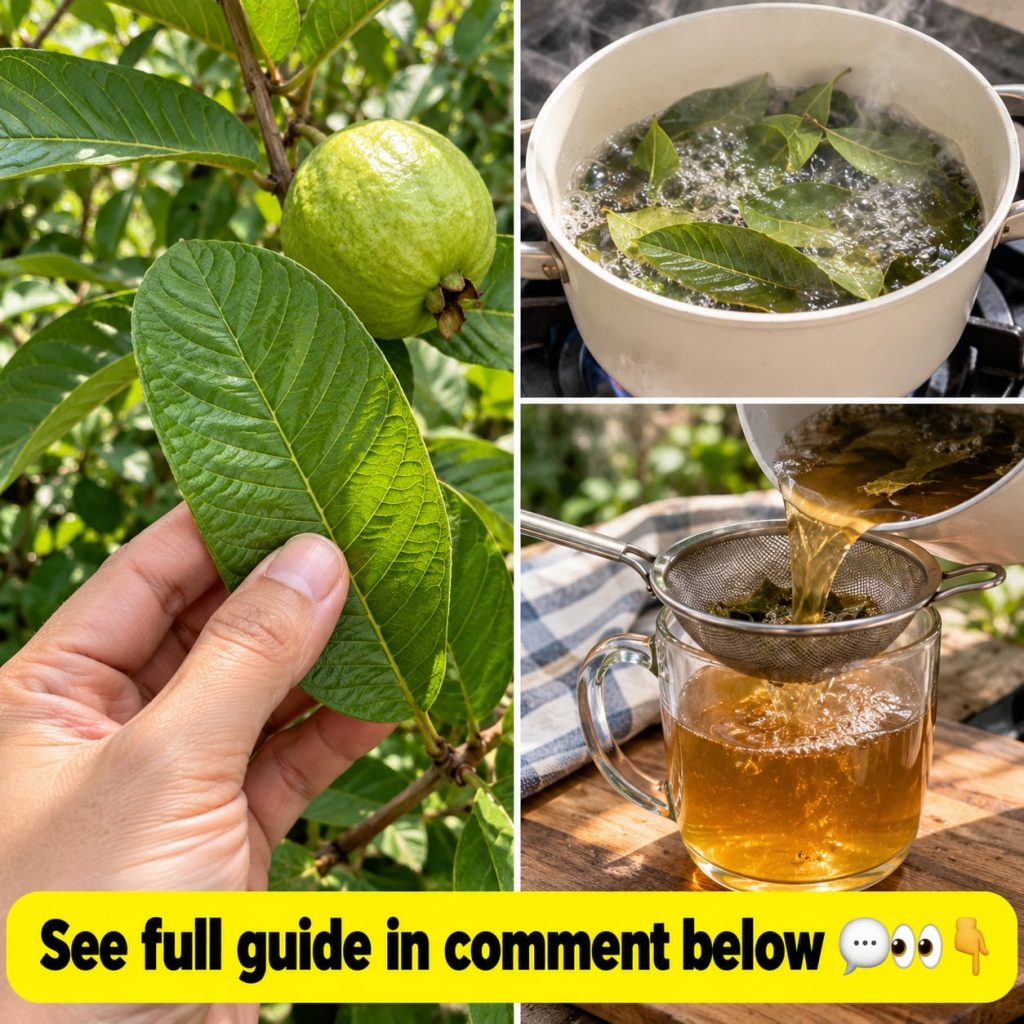
Guava leaves come from the guava tree (Psidium guajava), a small tropical tree native to Mexico, Central America, and South America. While the fruit is famous for its vitamin C content, the leaves are rich in antioxidants, anti-inflammatory compounds, and antibacterial properties. When prepared correctly, they offer a gentle yet effective way to support various bodily functions and address common concerns.
Did You Know?
Guava leaves are considered a medicinal powerhouse in many traditional practices across Asia, Africa, and Latin America. Their versatility ranges from internal consumption as a tea to topical applications for skin and hair health.
Ingredients for a Basic Guava Leaf Tea
Creating a simple guava leaf remedy starts with a straightforward tea or infusion. This is the most common and versatile preparation, allowing you to harness the leaves’ benefits for both internal and external uses.
- Guava Leaves: 10-15 fresh young leaves or 1-2 tablespoons dried, crushed leaves.
- Water: 4 cups (about 1 liter) of filtered water.
Formula / Recipe: Guava Leaf Infusion
This basic infusion can be adapted for various purposes, from a healthful drink to a skin rinse.
Step-by-Step Method
- Wash the Leaves: Thoroughly wash fresh guava leaves under cool running water to remove any dirt or residue. If using dried leaves, skip this step.
- Boil Water: Bring 4 cups of filtered water to a rolling boil in a clean pot.
- Add Leaves: Once the water is boiling, add the clean fresh guava leaves or the dried crushed leaves.
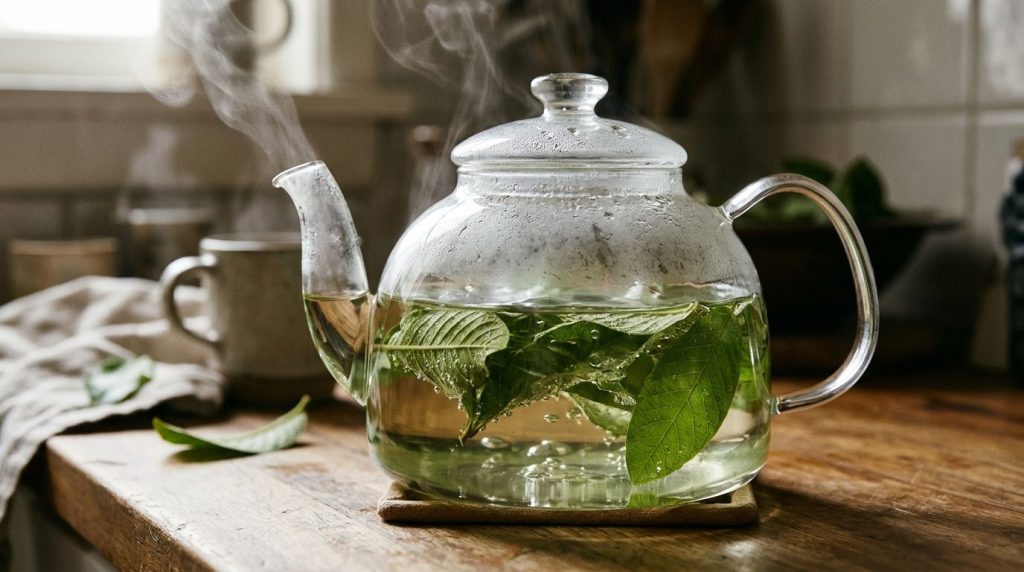
- Simmer: Reduce the heat to low, cover the pot, and let the leaves simmer gently for 15-20 minutes. This allows the beneficial compounds to extract into the water. For a stronger infusion, you can simmer for up to 30 minutes.
- Strain: Remove the pot from the heat and let it cool slightly. Strain the liquid into a clean glass jar or bottle, discarding the leaves.
- Cool: Allow the tea to cool completely before using, especially if for topical application.
How to Use Your Guava Leaf Remedy
The versatility of guava leaf tea makes it useful for several applications:
- As a Drink: Consume 1 cup of warm tea up to two times a day. It can be sweetened with honey if desired.
- For Hair Rinse: After shampooing, use the cooled tea as a final hair rinse. Massage into the scalp and hair, leaving it on for 15-30 minutes before rinsing with cool water.
- For Skin Application: Apply cooled tea to affected skin areas using a cotton pad or as a compress.
- As a Mouthwash: Use the cooled tea to gargle or rinse your mouth for oral hygiene benefits.
How Often to Use
For internal consumption, 1-2 cups daily is generally sufficient. For topical applications like hair rinses or skin compresses, you can use it 2-3 times per week, or as needed for specific concerns. Consistency is key to seeing potential benefits.
How to Buy / How to Choose Ingredients
Choosing quality guava leaves is crucial for an effective remedy.
- Fresh Leaves: Look for vibrant green leaves, free from blemishes, holes, or signs of pest damage. Ideally, source from organic growers to ensure they haven’t been treated with pesticides.
- Dried Leaves: If buying dried, choose reputable suppliers. The leaves should still have a noticeable, slightly aromatic scent. Avoid any that appear discolored or dusty.
- Avoid Sprayed Plants: This is paramount. If you’re harvesting from your own garden or a wild source, be certain the plant hasn’t been sprayed with chemicals.
Fresh vs. Dried Guava Leaves
Understanding the differences between fresh and dried leaves can help you choose the best option for your needs.
| Feature | Fresh Guava Leaves | Dried Guava Leaves |
|---|---|---|
| Potency | Often considered more potent due to higher volatile compounds. | Slightly less potent, but still effective; compounds are concentrated. |
| Availability | Seasonal or depends on climate; less accessible for many. | Available year-round, easy to store. |
| Preparation | Requires thorough washing. | Ready to use, no washing needed. |
| Storage | Perishable; best used within a few days, can refrigerate. | Long shelf life if stored correctly. |
| Quantity | More leaves needed per batch. | Less quantity needed (e.g., 1/3 to 1/2 of fresh). |
Storage
Proper storage ensures the longevity and efficacy of your guava leaf remedy.
- Fresh Leaves: Store unwashed fresh leaves in a plastic bag in the refrigerator for up to a week.
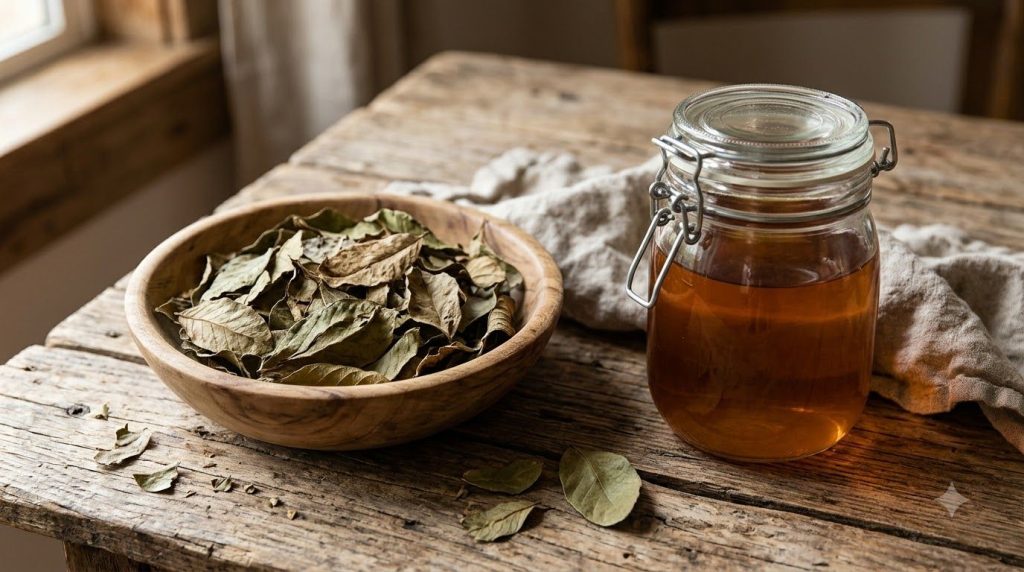
- Dried Leaves: Keep dried leaves in an airtight container in a cool, dark place, away from direct sunlight and moisture. They can last for several months.
- Prepared Tea: Store the strained guava leaf tea in an airtight glass container in the refrigerator for up to 3-5 days.
Practical Tips
- Start Small: If you’re new to guava leaf remedies, begin with smaller amounts and observe how your body reacts before increasing the dosage.
- Consistency: For best results, incorporate the remedy consistently into your routine rather than sporadic use.
- Quality Water: Always use filtered water for brewing to avoid introducing impurities.
- Sweeteners: If drinking the tea, consider natural sweeteners like honey or a squeeze of lemon for flavor enhancement, but avoid refined sugars.
Common Mistakes
Avoid these pitfalls to get the most out of your guava leaf preparations:
- Using Sprayed Leaves: Never use leaves from plants that have been treated with pesticides or other chemicals. This can introduce harmful substances into your remedy.
- Boiling Too Vigorously or Too Long: While simmering is good, excessive boiling can degrade some of the beneficial compounds. Stick to a gentle simmer.
- Not Washing Fresh Leaves: Dirt, dust, and potential contaminants need to be thoroughly rinsed off fresh leaves.
- Storing Improperly: Leaving tea at room temperature or storing leaves in a damp environment can lead to spoilage and loss of potency.
- Expecting Instant Results: Natural remedies often work gradually. Give your body time to respond before evaluating effectiveness.
Cautions / Who Should Avoid It
While generally considered safe for most, some precautions are necessary:
- Pregnancy and Breastfeeding: Limited research exists on the safety of guava leaf consumption during pregnancy and breastfeeding. It’s best to consult a healthcare professional before use.
- Diabetes: Guava leaves may help lower blood sugar levels. If you are on medication for diabetes, monitor your blood sugar closely and consult your doctor to avoid hypoglycemia.
- Surgery: Due to potential effects on blood sugar, it’s advisable to stop using guava leaf remedies at least two weeks before any scheduled surgery.
- Allergies: If you have allergies to guava fruit or other plants in the Myrtaceae family, avoid guava leaves.
Quick Summary
Guava leaves offer a simple, natural way to support well-being through an easy-to-make tea. Best prepared by simmering clean fresh or dried leaves in water, this remedy can be used internally or topically. Store fresh leaves in the fridge, dried leaves in an airtight container, and prepared tea in the refrigerator for up to 5 days. Always ensure leaves are pesticide-free, and consult a doctor if you have underlying health conditions or are pregnant/breastfeeding.
FAQ
- Can I use fresh or dried guava leaves?
Both fresh and dried leaves can be used. Adjust the quantity accordingly; you’ll typically use fewer dried leaves as they are more concentrated. - How long does guava leaf tea last?
Stored in an airtight container in the refrigerator, the tea will last for 3-5 days. - Can I refrigerate the leaves?
Yes, fresh leaves can be stored in a plastic bag in the refrigerator for up to a week. Dried leaves should be stored in a cool, dark, dry place. - How often should I use guava leaf tea for hair?
For a hair rinse, 2-3 times per week is a common frequency. - What part of the guava plant is best for remedies?
For the purposes discussed here, the leaves are the primary focus, particularly young, tender leaves for optimal potency. - Can I reuse the leaves for another batch of tea?
It’s generally not recommended. Most of the beneficial compounds will have been extracted in the first brew, making a second infusion significantly weaker. - When should I avoid guava leaf remedies?
Avoid if pregnant, breastfeeding, undergoing surgery soon, or if you have diabetes and are not closely monitoring blood sugar with a doctor.
Conclusion
Guava leaves, often overlooked in favor of the fruit, offer a truly versatile and accessible natural remedy for your home. From a soothing tea to a beneficial hair rinse or skin compress, incorporating this common plant into your wellness routine is a simple step towards embracing nature’s understated power. Remember to source quality leaves, prepare them correctly, and always be mindful of individual health conditions.
Read more: DIY Herbal Rinses for Healthier Hair
You may also like: The Surprising Benefits of Turmeric for Skin
