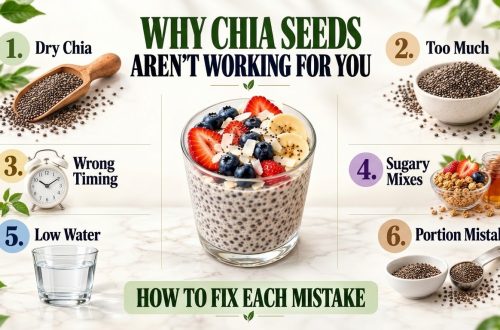
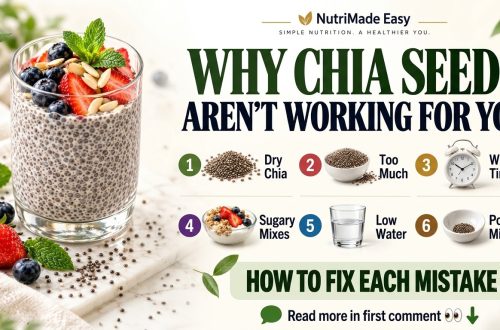
Chia seeds are tiny powerhouses, packed with fiber, omega-3 fatty acids, protein, and essential minerals. They can be a fantastic addition to almost any diet, supporting everything from digestive health to heart wellness. However, many people unknowingly make small mistakes that can prevent them from truly harnessing all the amazing benefits these super seeds have to offer. Are you getting the most out of your chia seeds?
This guide breaks down common missteps and how to fix them for maximum nutrition and enjoyment. Let’s dive in and ensure you’re making the most of every tiny seed!
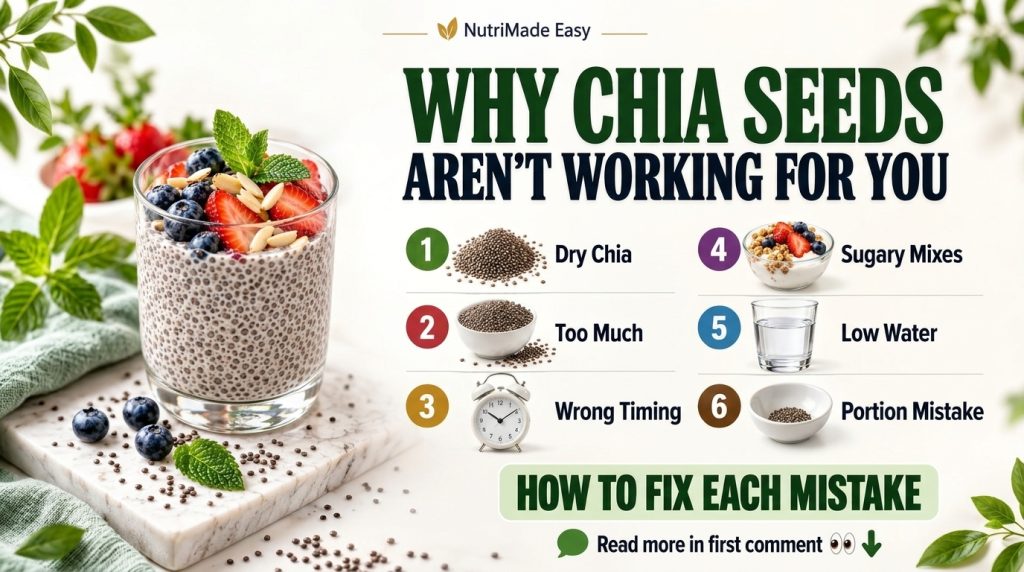
Mistake #1: Not Soaking Them Long Enough (or at all!)
The Problem:
Perhaps the most common error is not allowing chia seeds enough time to absorb liquid and form their characteristic gel. Eating dry chia seeds, or those not fully hydrated, can be less palatable and may not offer the same digestive benefits. They can even absorb water from your body as they pass through your digestive system, potentially leading to dehydration if you’re not drinking enough.
The Fix:
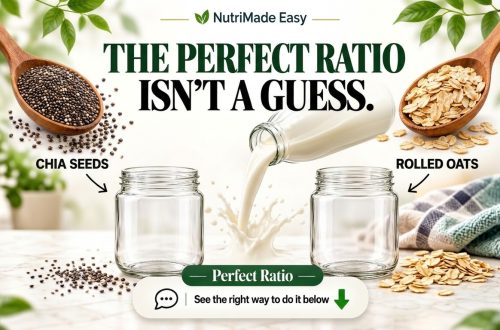
Always pre-soak chia seeds before consumption. A good rule of thumb is to use a 1:4 ratio of chia seeds to liquid (e.g., 1/4 cup chia seeds to 1 cup water or plant-based milk). Let them sit for at least 30 minutes, or even better, overnight in the refrigerator. This allows them to swell, creating a pudding-like consistency that’s easy to digest and helps you feel full.
Mistake #2: Using Too Little Liquid
The Problem:
Similar to not soaking long enough, using insufficient liquid can result in a clumpy, thick, and unappetizing mixture. The seeds won’t fully hydrate, and you’ll miss out on the creamy texture that makes chia pudding so enjoyable.
The Fix:
Don’t be shy with your liquid! If your mixture looks too thick after soaking, simply add a splash more liquid and stir. Experiment to find the consistency you prefer. Remember, they continue to absorb liquid over time, so if making a large batch, you might need to stir in extra liquid before serving.
Mistake #3: Overdoing the Portion Size
The Problem:
While chia seeds are incredibly healthy, they are also calorie-dense. A single tablespoon contains around 60-70 calories, and it’s easy to consume too much without realizing it. Eating excessive amounts can lead to an overload of fiber, which might cause digestive discomfort like bloating or gas, especially if your body isn’t used to it.
The Fix:
Stick to a recommended serving size, usually 1-2 tablespoons (15-30g) per day. Gradually increase your intake if you’re new to chia seeds to allow your digestive system to adjust. Listen to your body and find the amount that works best for you.
Mistake #4: Not Mixing Them Well Initially
The Problem:
When you first add chia seeds to liquid, they tend to clump together at the bottom or form a solid mass if not stirred immediately and thoroughly. This leads to uneven hydration and a less pleasant texture.
The Fix:
After adding chia seeds to your liquid, stir vigorously for about 30 seconds to a minute. Let the mixture sit for 5 minutes, then stir again. This ensures the seeds are evenly dispersed and helps prevent clumping, leading to a smooth, consistent gel.
Mistake #5: Limiting Them to Just Sweet Dishes
The Problem:
Many people only think of chia seeds for puddings, smoothies, or oatmeal. While delicious in sweet preparations, limiting their use means missing out on their versatility in savory meals.
The Fix:
Get creative! Chia seeds can be a fantastic addition to savory dishes. Try sprinkling them into salads, incorporating them into homemade bread or crackers, using them as a thickener for soups or stews, or even making a chia egg (1 tbsp chia seeds + 3 tbsp water) as a binder in vegan burgers or meatballs.
Mistake #6: Forgetting to Store Them Properly
The Problem:
Like many seeds and nuts, chia seeds contain delicate omega-3 fatty acids that can turn rancid if exposed to light, heat, and air for prolonged periods. Rancid seeds not only taste unpleasant but also lose their nutritional value.
The Fix:
Store your chia seeds in an airtight container in a cool, dark place, such as your pantry. For even longer freshness, especially in warmer climates, you can keep them in the refrigerator. Proper storage preserves their beneficial nutrients and extends their shelf life.
Reaping the Full Rewards of Chia Seeds
By avoiding these common mistakes, you’ll ensure that every spoonful of chia seeds contributes optimally to your health and well-being. From improved digestion and sustained energy to heart health and nutrient absorption, properly prepared chia seeds are a true superfood ally. Start incorporating these tips into your routine today and truly boost your chia seed benefits!