Ever wondered why some meals leave you feeling energized and satisfied, while others lead to a quick energy crash? The secret often lies in achieving the perfect ratio of wholesome ingredients. It’s not about strict diets or complicated formulas, but rather understanding how different food groups work together to fuel your body effectively. At Healthy – NOC, we believe that balanced eating can be simple and delicious, transforming your daily meals into sources of sustained well-being.
Getting the right mix of nutrients is key to a healthy start and maintaining energy throughout your day. Our focus is on making it easy to put together meals that are both nourishing and enjoyable.
Why Ratios Matter for Your Health
Think of your meals as a symphony where each instrument plays a vital role. When all parts are in harmony, the result is a beautiful experience – in this case, optimal health and energy. A balanced ratio of macronutrients – carbohydrates, proteins, and fats – ensures your body receives steady energy, builds and repairs tissues, and absorbs essential vitamins. It helps regulate blood sugar levels, promotes satiety, and supports overall metabolic function.
Carbohydrates: Your Primary Energy Source
Carbohydrates often get a bad rap, but they are essential for energy. The key is choosing the right kind. Complex carbohydrates, found in whole grains, fruits, and vegetables, provide a slow and steady release of glucose, keeping your energy levels stable. Simple carbohydrates, like those in sugary drinks or refined snacks, can lead to quick spikes and crashes.
Protein: The Building Block of Your Body
Protein is crucial for muscle repair, hormone production, and enzyme function. Including enough protein in your meals helps you feel full longer and supports a healthy metabolism. Good sources include lean meats, poultry, fish, eggs, legumes, nuts, and seeds.
Healthy Fats: Essential for Many Functions
Fats are vital for nutrient absorption, brain health, and hormone production. Healthy fats, like those found in avocados, nuts, seeds, and olive oil, are an important part of a balanced diet. They also contribute to satiety and add flavor to your meals.
Crafting the Perfect Breakfast Ratio
Breakfast is often called the most important meal of the day, and for good reason. A well-balanced breakfast can set the tone for your energy levels, focus, and food choices for the rest of the day. Let’s look at a simple example: overnight oats.
Overnight Oats: A Masterclass in Balance
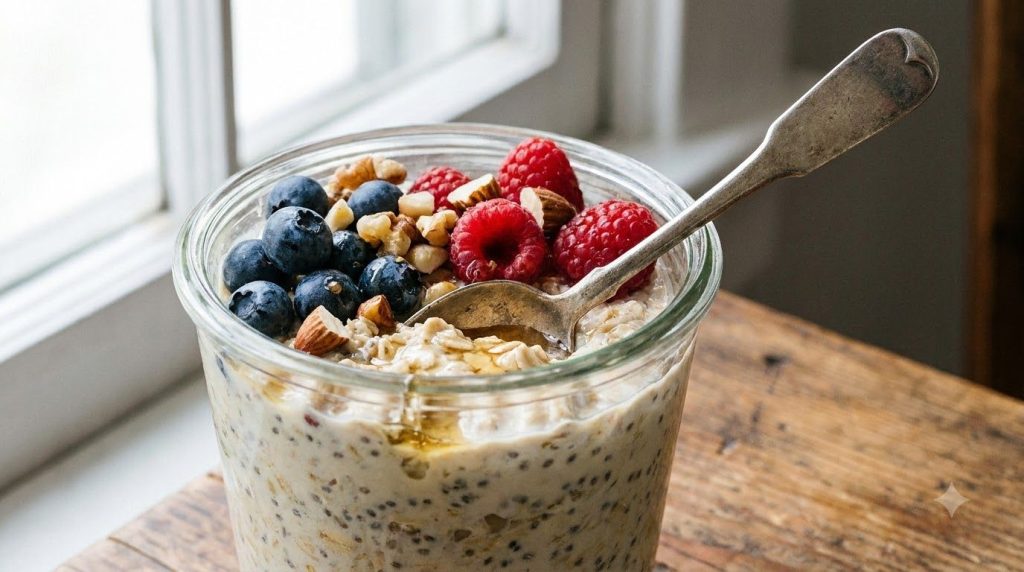
Overnight oats are a fantastic example of a meal where a few simple ingredients combine to create a powerhouse of nutrition:
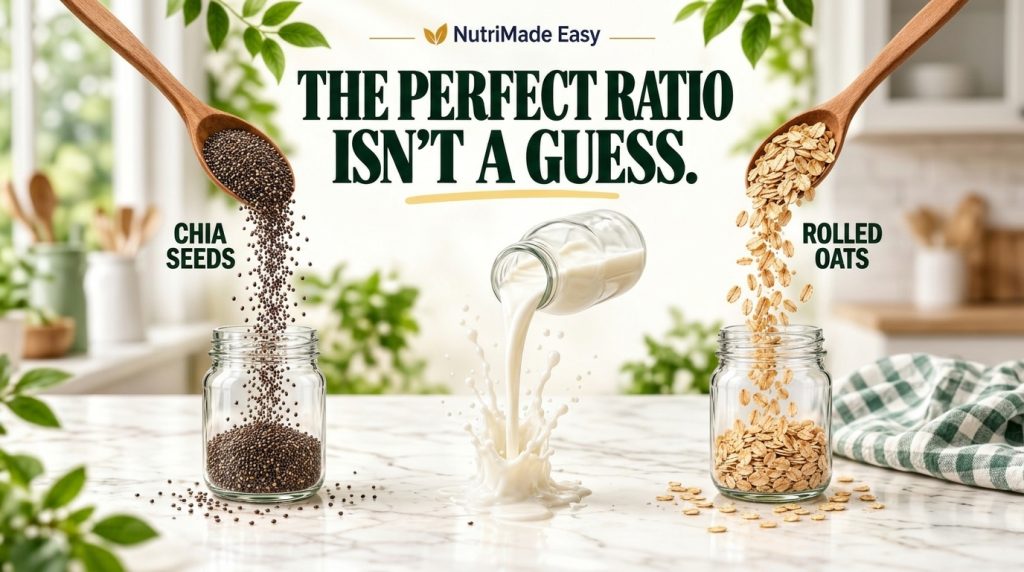
- Rolled Oats (Complex Carbs): Provide sustained energy and fiber for digestive health.
- Chia Seeds (Healthy Fats, Protein, Fiber): Absorb liquid to create a pudding-like texture while offering omega-3s, protein, and extra fiber.
- Milk (Protein, Carbs, Fats): Whether dairy or plant-based, milk adds liquid for soaking, plus protein and calcium.
- Optional Add-ins: Fruits (more carbs, vitamins), nuts/seeds (more healthy fats, protein), a dash of cinnamon (flavor, antioxidants).
The beauty of this combination is that it delivers a satisfying blend of all macronutrients, helping you stay full and energized until your next meal. It’s also incredibly customizable to your taste preferences and dietary needs.
Tips for Mastering Your Meal Ratios
-
Prioritize Whole Foods:
Focus on fruits, vegetables, whole grains, lean proteins, and healthy fats. These are naturally nutrient-dense and provide the best building blocks for balanced meals.
-
Balance Your Plate:
A simple visual guide is to fill half your plate with non-starchy vegetables, a quarter with lean protein, and a quarter with complex carbohydrates. Add a source of healthy fats, like a drizzle of olive oil or a few slices of avocado.
-
Plan Ahead:
Meal prepping can be a game-changer. Dedicate some time each week to plan your meals and prepare ingredients. This makes healthy eating effortless during busy weekdays.
-
Listen to Your Body:
Pay attention to how different foods make you feel. Do you feel energized or sluggish? Are you satisfied or still hungry? This feedback can help you adjust your ratios to better suit your individual needs.
-
Don’t Be Afraid to Experiment:
Healthy eating should be enjoyable! Try new recipes and ingredient combinations. The more variety you have, the more likely you are to stick with it and discover new favorites.
Mastering your meals through understanding perfect ratios isn’t a guess; it’s a practical approach to nourishing your body. By making conscious choices about the ingredients you combine, you can unlock sustained energy, better digestion, and an overall feeling of wellness. Start with small changes, like a balanced breakfast, and gradually incorporate these principles into all your meals. Your body will thank you!