Ever wondered which oat type truly offers the most nutritional punch for your meals? With a dizzying array of options on grocery shelves, choosing the ‘healthiest’ oats can feel like a guessing game. From quick-cooking instant varieties to the robust chew of steel-cut, each type of oat brings its own unique texture, cooking time, and nutritional profile to your table. Understanding these differences is key to making the best choice for your health goals and lifestyle.
Oats are celebrated worldwide as a wholesome grain, packed with fiber, essential vitamins, and minerals. They’re a breakfast staple, a baking ingredient, and a heart-healthy addition to many diets. But is there a significant difference between, say, a bowl of instant oats and a serving of traditional rolled oats? Let’s dive into the world of oats and uncover the truth about which options truly stand out for their health benefits.
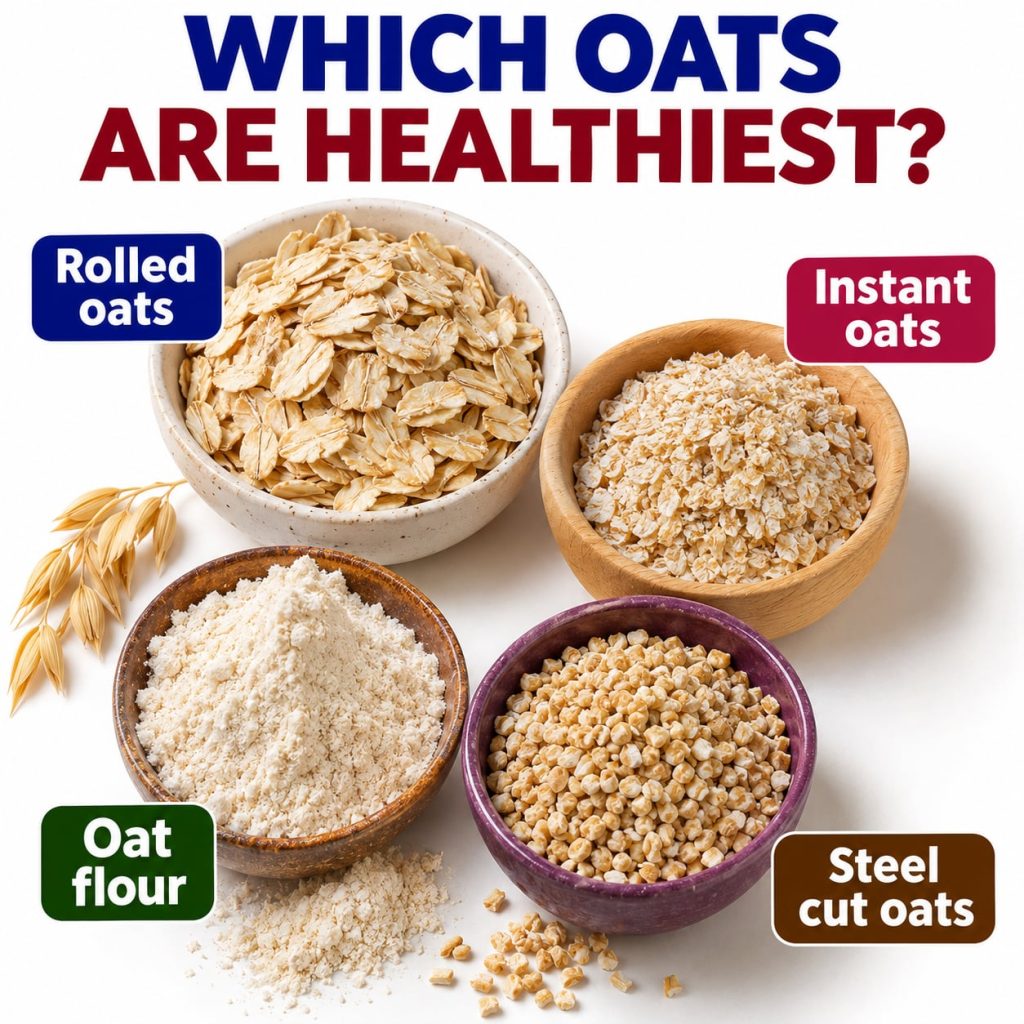 Unraveling the nutritional differences between various oat types.
Understanding Your Oat Options: A Nutritional Breakdown
The primary factor distinguishing different types of oats is the amount of processing they undergo after harvesting. This processing affects their texture, cooking time, and crucially, their glycemic index and how your body digests them. Let’s explore the four main varieties.
Steel-Cut Oats
Steel-cut oats, sometimes called Irish or Scottish oats, are the least processed form of oats. They are whole oat groats (the hulled kernels of oats) that have been chopped into two or three smaller pieces with a steel blade, rather than rolled. This minimal processing gives them a coarse, chewy texture and helps them retain most of their fiber, particularly soluble fiber like beta-glucan, which is known for its cholesterol-lowering and blood sugar-stabilizing properties.
- Texture: Chewy and hearty.
- Cooking Time: The longest to cook, typically 20-30 minutes, but excellent for meal prep in larger batches.
- Nutritional Profile: Generally have a lower glycemic index (GI) compared to more processed oats, meaning they cause a slower, more sustained rise in blood sugar. High in fiber and protein.
- Best Uses: Hearty breakfast porridge, savory oat bowls, or as a texture-rich addition to stews.
Rolled Oats
Rolled oats, also known as old-fashioned oats, are created by steaming oat groats and then flattening them with large rollers. This process stabilizes the oats, helping them cook faster and giving them their characteristic flat, oval shape. While they are more processed than steel-cut oats, they still retain significant nutritional value, making them a popular choice for a balanced breakfast.
- Texture: Softer than steel-cut but still maintains some chewiness.
- Cooking Time: Quicker to prepare than steel-cut, usually 5-10 minutes.
- Nutritional Profile: Good source of fiber and protein, with a moderate glycemic index.
- Best Uses: Classic oatmeal, overnight oats, granola, muffins, cookies, and a base for healthy breakfast ideas.
Instant Oats
Instant oats are the most processed form of oats. They are pre-cooked, dried, and then rolled thinner and cut into smaller pieces than rolled oats, allowing them to cook almost instantly when hot liquid is added. While convenient, this extensive processing can slightly alter their nutritional characteristics.
- Texture: Soft and mushy.
- Cooking Time: Extremely quick, often just 1-2 minutes with hot water or milk.
- Nutritional Profile: Tend to have a higher glycemic index than steel-cut or rolled oats, which can lead to a quicker spike in blood sugar. While still containing fiber, the quantity might be slightly less per serving due to volume difference. Many flavored instant oat packets also contain added sugars and artificial ingredients.
- Best Uses: Quick breakfasts when time is extremely limited. It’s advisable to choose plain instant oats and add your own healthy toppings.
Oat Flour
Oat flour is simply oats that have been ground into a fine powder. It can be made from any type of oats, but typically rolled oats are used. It retains the nutritional benefits of the whole grain oats from which it’s made, including fiber and protein, making it a popular gluten-free alternative in baking.
- Texture: Fine powder, similar to wheat flour.
- Cooking Time: Used as an ingredient, not typically cooked on its own like porridge.
- Nutritional Profile: Offers the same nutrients as the oats it’s made from, including soluble fiber. Its impact on blood sugar depends heavily on what it’s baked into and how it’s consumed.
- Best Uses: Gluten-free baking, thickening agents, and adding fiber to smoothies or pancakes.
The Verdict: Which Oats Are Healthiest?
When considering which oats are ‘healthiest,’ it largely comes down to the extent of processing and its impact on digestion and nutrient absorption. Generally, the less processed an oat, the more beneficial its impact on blood sugar regulation and satiety.
- For maximal health benefits: Steel-cut oats often take the lead. Their minimal processing means they retain more fiber, leading to a slower digestion process and a more gradual rise in blood sugar. This makes them an excellent choice for managing blood sugar levels and promoting sustained energy.
- For a good balance of nutrition and convenience: Rolled oats are an excellent middle-ground. They offer a good amount of fiber and nutrients, a satisfying texture, and a reasonable cooking time, making them versatile for many recipes, including popular overnight oats.
- For quick convenience: While instant oats are the fastest, be mindful of added sugars in flavored varieties. Choosing plain instant oats and adding your own fruits, nuts, and seeds can still provide a healthy meal. Their higher GI means they might not be the best option for those sensitive to blood sugar fluctuations.
- For baking: Oat flour is a fantastic way to incorporate the goodness of whole oats into your baking, providing fiber and nutrients to a variety of dishes.
Ultimately, all types of oats are a nutritious food and can be part of a healthy diet. The ‘healthiest’ choice often depends on your personal health goals, dietary needs, and how you choose to prepare them. Focus on minimal added sugars and pair your oats with protein and healthy fats for a truly balanced meal.
Choosing the Right Oats for Your Goals
Selecting the ideal oat type for your lifestyle is a matter of balancing nutritional benefits with practicality. If your goal is sustained energy and blood sugar control, steel-cut oats are often superior. For those seeking quick healthy breakfast ideas that still pack a nutritional punch, rolled oats offer versatility, especially in preparations like overnight oats. When looking for high fiber, low calorie meals, remember that the toppings you choose can significantly impact the overall nutritional value of your oat dish.
Frequently Asked Questions About Oats
Many people have questions about how to best incorporate oats into their diet. Here are some common inquiries.
Are oats good for weight loss?
Yes, oats, especially steel-cut and rolled oats, can be excellent for weight loss. Their high fiber content helps you feel full longer, reducing overall calorie intake. The beta-glucan fiber in oats also contributes to satiety, making them a great component of a calorie deficit meal plan.
Are oats gluten-free?
Naturally, oats are gluten-free. However, they are often processed in facilities that also handle wheat, barley, and rye, leading to cross-contamination. If you have celiac disease or gluten sensitivity, look for oats specifically labeled as ‘certified gluten-free’.
Can I eat oats every day?
Absolutely! Eating oats daily can contribute to improved digestive health, lower cholesterol levels, and better blood sugar control, thanks to their rich fiber content. They’re a versatile grain that can be incorporated into various meals.
What are the best toppings for oats?
For a nutrient-rich and delicious oat bowl, consider toppings like fresh berries, sliced banana, nuts (almonds, walnuts), seeds (chia seeds, flax seeds), a drizzle of honey or maple syrup, cinnamon, or a scoop of protein powder for an extra boost. These additions can transform simple oats into high protein breakfast options.
Final Thoughts
Oats are a nutritional powerhouse, offering a wealth of health benefits regardless of the variety. While steel-cut oats generally offer the most sustained energy release and highest fiber content due to minimal processing, rolled oats provide an excellent balance of nutrition and convenience. Instant oats can be a healthy choice if you opt for plain varieties and manage your toppings wisely. Understanding the differences empowers you to select the best oats for your specific dietary needs and culinary preferences, ensuring you reap the maximum benefits from this incredible grain.