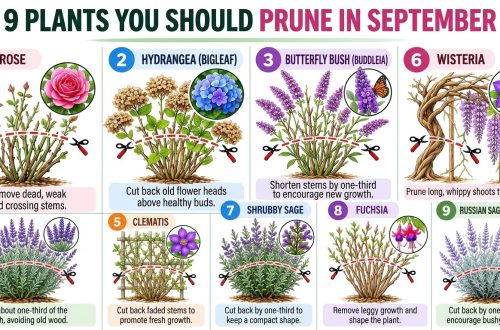
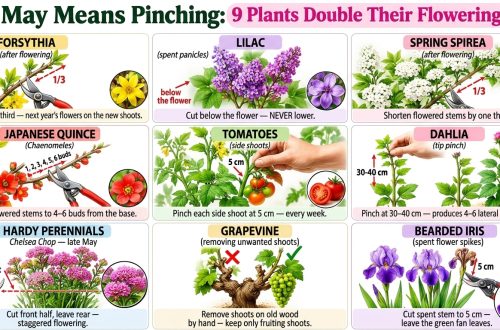
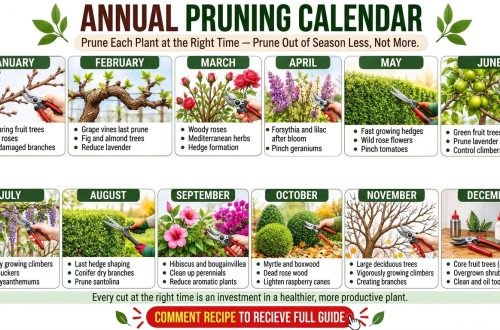
A beautiful, thriving garden doesn’t just happen by accident; it’s the result of consistent care, and one of the most vital tasks in that care is pruning. Far from being a random snip here and there, strategic pruning ensures the health, vigor, and abundant beauty of your plants throughout the year. If you’ve ever felt overwhelmed by when and how to prune, you’re in the right place! We’re here to guide you through a year-round pruning schedule that will transform your garden.
Why Pruning Is Essential for a Healthy Garden
Pruning is more than just trimming; it’s a horticultural art form that directly impacts your plants’ well-being and appearance. Here’s why it’s so important:
- Promotes Plant Health: Removing dead, diseased, or damaged branches prevents the spread of pests and diseases, allowing the plant to direct energy to healthy growth.
- Encourages Vigor and Bloom: Proper pruning stimulates new growth, leading to more flowers, fruits, and overall stronger plants.
- Shapes and Controls Size: Keep your plants within desired bounds and maintain an attractive form, preventing them from overgrowing and competing with other garden inhabitants.
- Improves Air Circulation and Sunlight Penetration: Thinning out dense foliage allows better air flow, reducing the risk of fungal diseases, and ensures sunlight reaches inner branches.
- Enhances Fruit and Flower Production: For many fruit-bearing trees and flowering shrubs, specific pruning techniques are key to maximizing yields and bloom quality.
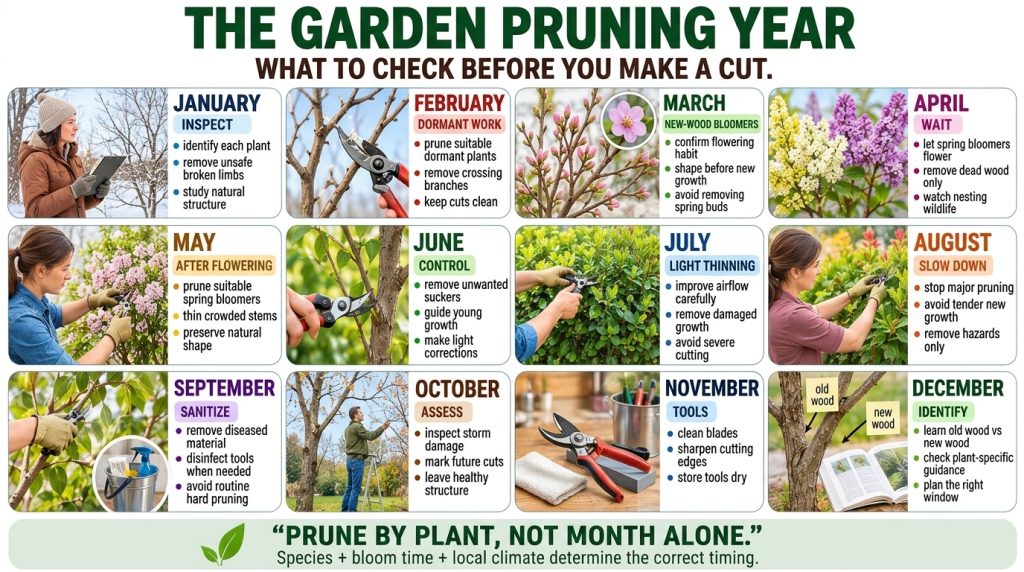
Your Year-Round Pruning Schedule: A Seasonal Approach
While the infographic above provides a comprehensive monthly overview, let’s break it down into seasons for a clearer understanding of the general principles.
Winter Pruning (December – February): Dormancy is Key
Winter is often the best time for significant pruning as most deciduous plants are dormant, making it easier to see their structure and causing less stress. Sap flow is minimal, reducing the risk of disease entry.
- What to prune: Deciduous trees and shrubs, fruit trees (apples, pears), roses (late winter). Remove dead, damaged, or crossing branches. Shape the plant by cutting back to a strong bud or branch.
- Avoid pruning: Spring-flowering shrubs like lilacs, forsythias, or rhododendrons, as you’ll remove their flower buds.
Spring Pruning (March – May): Before and After the Bloom
Spring brings new growth, and pruning during this season depends heavily on when a plant flowers.
- Early Spring (before new growth): Finish up dormant pruning. Prune summer-flowering shrubs (like hydrangeas that bloom on new wood) to encourage vigorous blooms.
- Late Spring (after flowering): Prune spring-flowering shrubs (e.g., lilacs, forsythias, azaleas) immediately after they finish blooming. This allows them to set buds for next year’s flowers. Deadhead spent flowers from perennials and annuals to encourage more blooms.
Summer Pruning (June – August): Light Touch and Maintenance
Summer pruning is generally lighter and focused on maintenance, shaping, and encouraging reblooming.
- What to prune: Deadhead spent flowers from annuals and perennials to promote continuous blooming. Lightly trim hedges for shape. Remove suckers and water sprouts from trees. Control vigorous growth on certain shrubs to maintain size.
- Avoid pruning: Heavy pruning cuts on trees or shrubs, as this can stimulate new, tender growth that won’t have time to harden before winter.
Fall Pruning (September – November): Minimal Intervention
Fall is generally not the ideal time for heavy pruning, especially in regions with cold winters, as it can encourage new growth vulnerable to frost damage.
- What to prune: Remove dead or diseased branches to prevent them from becoming overwintering sites for pests. Tidy up perennials by cutting back spent foliage, though leaving some can provide winter interest and protection for wildlife.
- Avoid pruning: Any major cuts or shaping. Wait until winter dormancy for significant pruning tasks.
Essential Pruning Tools
Having the right tools makes all the difference:
- Hand Pruners (Bypass vs. Anvil): For small branches (up to ¾ inch). Bypass pruners create clean cuts; anvil pruners are better for dead wood.
- Loppers: For thicker branches (up to 1 ½ to 2 inches). Their long handles provide leverage.
- Pruning Saw: For branches larger than 1 ½ to 2 inches.
- Gloves: Protect your hands from thorns and blisters.
Always keep your tools sharp and clean to ensure precise cuts and prevent the spread of diseases.
General Pruning Tips for Success
- Make Clean Cuts: Use sharp tools to avoid tearing the bark, which can leave plants vulnerable to disease.
- Prune at the Right Angle: When cutting a branch back to a main stem or trunk, cut just outside the branch collar (the swollen area where the branch meets the trunk). For branches you’re shortening, cut just above an outward-facing bud.
- Don’t Over-Prune: A general rule of thumb is to remove no more than 25-30% of a plant’s total mass in a single season.
- Sanitize Tools: Especially after pruning diseased plants, clean your tools with rubbing alcohol or a bleach solution (1 part bleach to 9 parts water) to avoid spreading pathogens.
- Know Your Plant: Research the specific pruning needs of each plant in your garden. Some bloom on old wood, some on new, and timing is crucial.
Cultivating a Pruning Habit
Incorporating a thoughtful pruning schedule into your garden routine will lead to healthier, more beautiful plants and a garden that truly thrives. It takes a little knowledge and practice, but the rewards are well worth it. Happy pruning!