Welcome, fellow garden enthusiasts! If you’ve ever wondered when and how to properly prune your beloved plants, you’ve come to the right place. Pruning isn’t just about tidying up; it’s a vital practice that encourages stronger growth, prevents disease, and boosts flowering and fruiting. Think of it as giving your plants a haircut to keep them healthy and looking their best! Let’s dive into a year-round guide to help you master the art of pruning and ensure your garden thrives.
Why Pruning is Essential for Your Garden
Before we get into the ‘when,’ let’s quickly understand the ‘why.’ Proper pruning:
- Promotes Plant Health: By removing dead, diseased, or damaged branches, you prevent the spread of pests and diseases and improve air circulation.
- Encourages Vigor: Cutting back old growth stimulates new, healthier shoots, leading to a more robust plant.
- Enhances Flowering and Fruiting: Many plants bloom or fruit better on new wood, while others benefit from the removal of spent blooms to encourage more.
- Maintains Desired Shape and Size: Keep your plants from outgrowing their space or becoming unruly, creating a more aesthetically pleasing garden.
- Improves Safety: Removing weak or overgrown branches can prevent them from breaking and causing damage.
Essential Pruning Tools
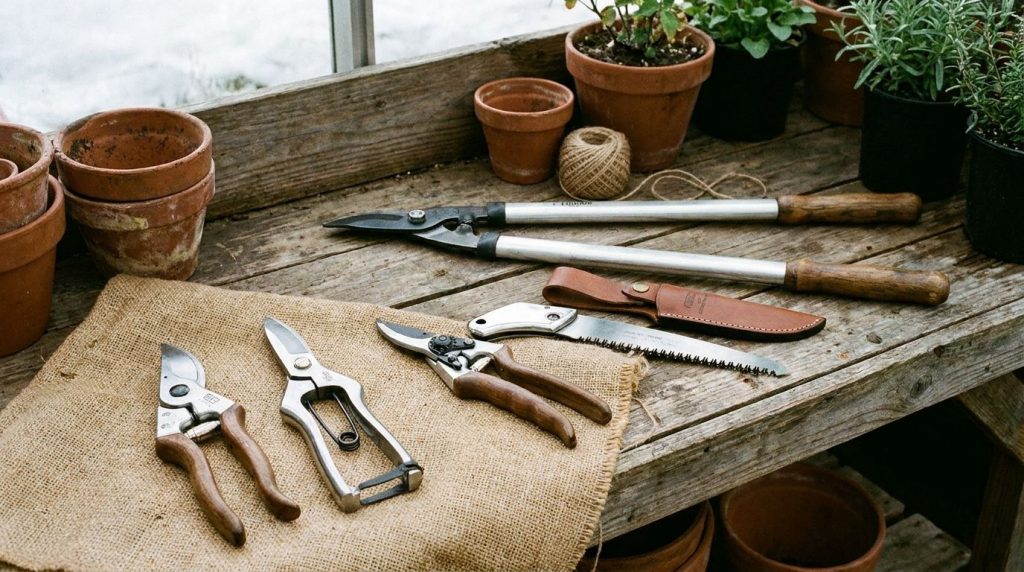
Having the right tools is half the battle! Here are the basics:
- Hand Pruners (Bypass and Anvil): Ideal for smaller stems (up to 3/4 inch). Bypass pruners offer cleaner cuts, while anvil pruners are good for deadwood.
- Loppers: With longer handles, loppers provide more leverage for branches up to 1.5 inches thick.
- Pruning Saw: For thicker branches that are too large for loppers.
- Hedge Shears: Best for shaping hedges, not for individual branch removal.
Always keep your tools clean and sharp. Dull tools can tear branches, making plants more susceptible to disease.
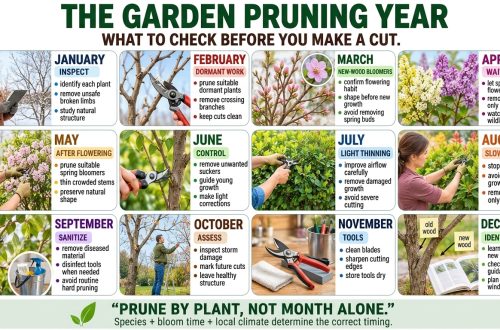
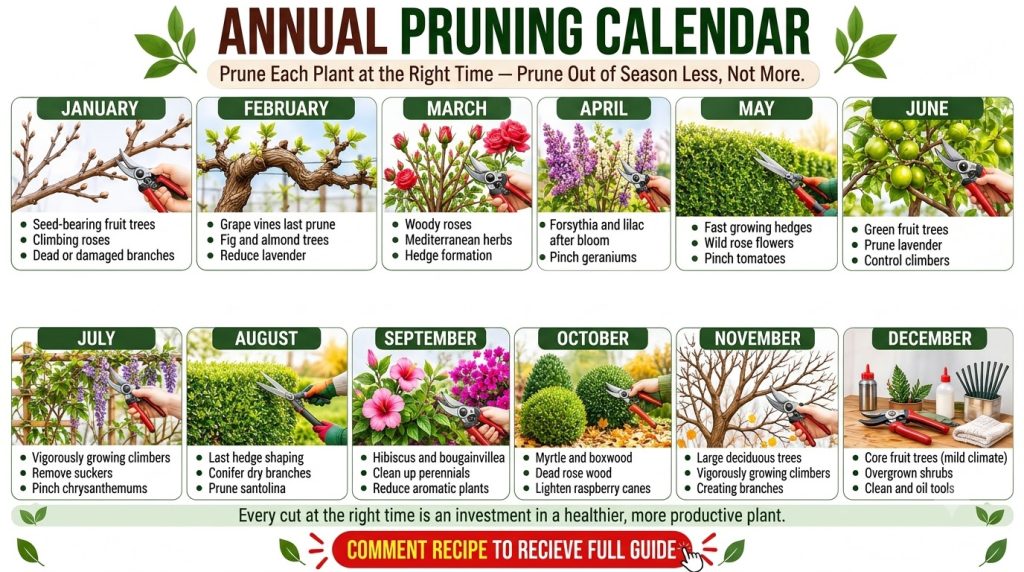
Your Seasonal Pruning Calendar
Winter (Dormant Season)
Winter is the perfect time for significant pruning, especially for deciduous trees and shrubs, as they are dormant. Without leaves, it’s easier to see the plant’s structure and identify dead or crossing branches.
- What to Prune: Deciduous trees, fruit trees (apple, pear, cherry), summer-flowering shrubs that bloom on new wood (e.g., crape myrtle, roses, hydrangeas like ‘Annabelle’ and ‘PeeGee’).
- Why: Minimizes stress on the plant, reduces disease transmission, and encourages strong new growth for spring.
- How: Remove dead, diseased, or damaged wood. Prune for shape, improve air circulation, and reduce overall size if needed.
Early Spring (Before New Growth Emerges)
As the days lengthen but before new leaves fully unfurl, there’s still time for some crucial pruning.
- What to Prune: Roses (hybrid teas, floribundas), evergreens (light shaping), some perennial grasses.
- Why: Prepares plants for vigorous spring growth and blooming.
- How: For roses, remove weak or crossing canes, cut back to outward-facing buds. For evergreens, lightly shape and remove any winter damage.
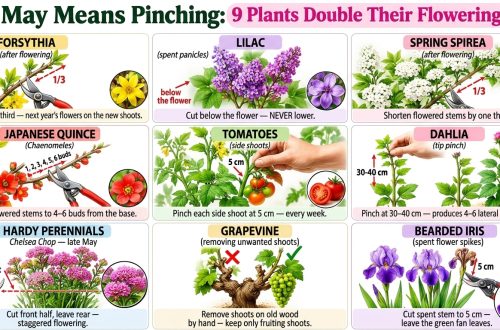
Late Spring / Early Summer (After Spring Blooms Fade)
This is the prime time for plants that bloom on old wood, meaning their flowers formed on branches from the previous year.
- What to Prune: Spring-flowering shrubs (e.g., forsythia, lilacs, azaleas, rhododendrons), most hedges for shaping, deadhead spent perennials.
- Why: Pruning after flowering allows the plant to set new buds for next year’s blooms without sacrificing the current season’s display. Deadheading encourages more blooms.
- How: For spring-flowering shrubs, remove spent flowers and thin out oldest stems. For hedges, trim to desired shape. Remove faded flowers from perennials.

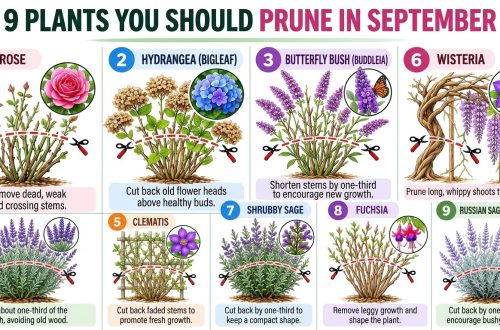
Late Summer / Fall (Minimal Pruning)
This period requires a lighter touch, as heavy pruning can stimulate new growth that won’t have time to harden before winter frosts.
- What to Prune: Light tidying of perennials, removal of dead annuals, some woody herbs. Avoid major cuts on trees and shrubs.
- Why: To neaten the garden and remove spent material, but without encouraging vulnerable new growth.
- How: Focus on removing only truly dead or diseased material. For perennials, you can cut back some foliage after it starts to die back, or leave it for winter interest and wildlife.
General Pruning Tips for Success
- Know Your Plant: Research specific pruning needs for each plant in your garden. Some plants bloom on old wood, others on new, and their pruning times differ significantly.
- Clean Cuts: Always make clean, sharp cuts close to a bud, branch collar, or main stem. Avoid leaving stubs.
- Angle Your Cuts: When cutting above a bud, angle the cut slightly away from the bud to allow water to run off.
- Sterilize Your Tools: Dip your pruners in rubbing alcohol or a bleach solution (1 part bleach to 9 parts water) between plants, especially if pruning diseased material, to prevent spreading pathogens.
- Don’t Over-Prune: Removing more than 25-30% of a plant’s canopy in a single season can stress it.
Pruning is an art that improves with practice. By following these seasonal guidelines and understanding the basic principles, you’ll be well on your way to a healthier, more beautiful, and abundant garden year after year. Happy pruning!