Pruning Herbs for Abundant Yields: A Gardener’s Essential Guide
Imagine stepping into your garden or onto your patio, snipping a few fresh herbs, and adding their vibrant flavor to your next meal. There’s nothing quite like it! But have you ever wished your herb plants were fuller, more productive, and lasted longer through the season? The secret isn’t a special fertilizer or magic spell; it’s the simple, yet powerful, act of pruning. Many gardeners overlook this crucial step, not realizing that a little thoughtful trimming can transform leggy, sparse plants into bushy, bountiful producers. This guide will walk you through the essential techniques for keeping your nine most common herbs thriving, ensuring you enjoy a continuous supply of aromatic leaves and robust growth.
The Power of the Pruning Shear: Why Prune Your Herbs?
Pruning might seem counterintuitive – cutting off parts of your plant to make it grow more – but it’s a fundamental principle of plant care. When you remove the tips of a growing stem, you interrupt the plant’s apical dominance, which is its tendency to grow taller from a single main stem. This encourages the plant to produce new side shoots, resulting in a bushier, more compact form. For herbs, this means more leaves to harvest. Regular pruning also prevents many herbs from “bolting” (going to seed) prematurely, a process that often causes leaves to lose flavor and become bitter. By removing flower buds, you signal to the plant to continue focusing its energy on foliage production, extending your harvest season significantly.
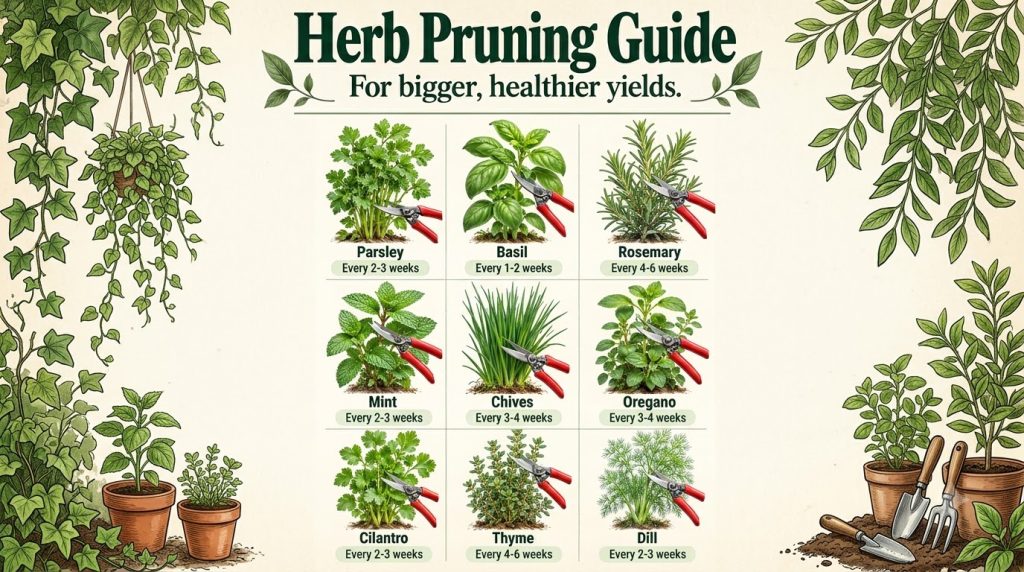
Your Essential Herb Pruning Guide
Let’s dive into the specifics for each of your garden favorites.
1. Basil (Ocimum basilicum)
Basil is a fast-growing annual that thrives on frequent harvesting. Its tender leaves are best for culinary use before the plant flowers.
- Initial Pruning: Once your basil plant reaches about 6-8 inches tall and has developed several sets of true leaves, begin pruning. Pinch off the new growth right above the second set of true leaves on each main stem. This encourages branching.
- Ongoing Care: Throughout the season, regularly pinch off any developing flower buds. These appear as small, central clusters at the tips of stems. If you let basil flower, its leaves can become less flavorful, and the plant’s energy shifts from producing foliage to setting seeds.
- Harvesting: Harvest individual leaves or snip entire stems, always cutting above a leaf node to encourage new growth.
2. Mint (Mentha spp.)
Mint is a vigorous perennial herb, often grown in containers due to its spreading habit. Regular pruning keeps it productive and contained.
- Initial Pruning: When your mint plants are about 6-8 inches tall, cut back about one-third of their height. This promotes bushier growth from the outset.
- Ongoing Care: Prune mint regularly throughout the growing season, especially before it flowers. Pinch off flower buds as they appear. If you want to use the flowers, allow a few stalks to bloom, but be aware it will reduce leaf production on those stems.
- Harvesting: Snip stems just above a leaf node. For a larger harvest, cut back entire sections by one-third to one-half. Mint responds very well to aggressive pruning.
3. Chives (Allium schoenoprasum)
Chives are hardy perennials known for their delicate oniony flavor and attractive purple flowers. They are relatively low-maintenance but benefit from regular trimming.
- Pruning Technique: Using sharp scissors, cut the leaves 1-2 inches above the ground. This encourages a continuous flush of fresh, tender growth. Avoid pulling individual leaves, which can damage the plant’s root system.
- Flower Management: Cut off spent flower heads to prevent self-seeding and encourage the plant to put energy back into producing more leaves. While the flowers are edible, removing them ensures more flavorful foliage.
- Harvesting: Harvest as needed, taking outer leaves first. Chives are hardy in USDA Zones 3-9.
4. Cilantro (Coriandrum sativum)
Cilantro is an annual herb notorious for bolting in warm weather. Strategic pruning can help prolong its leaf production.
- Harvesting Leaves: Snip outer leaves or entire stalks at the base of the plant as needed. Focus on harvesting the more mature leaves.
- Preventing Bolting: Once the plant begins to show signs of bolting (sending up a central flower stalk), you can try to extend leaf production by cutting the entire plant back to about 1-2 inches above the soil. This might trigger a small flush of new growth, especially if cooler weather returns. However, once it bolts, the flavor often changes.
- Seed Production: If you desire coriander seeds, allow some plants to flower and go to seed.
5. Thyme (Thymus vulgaris)
Thyme is a woody perennial that benefits from light, regular trimming to maintain its shape and encourage new, flavorful growth.
- Harvesting: Harvest often by snipping the soft, leafy tips of the stems. This acts as a gentle prune.
- Post-Flowering Pruning: After thyme finishes flowering, trim back the plant by about one-third. This helps maintain a compact, bushy form and prevents it from becoming too woody or leggy.
- Important Tip: Avoid cutting into old, thick, woody stems where there is no visible green growth, as this can harm the plant’s ability to regrow.
6. Oregano (Origanum vulgare)
Oregano is another perennial herb that benefits from frequent harvesting and occasional rejuvenation pruning to stay vigorous.
- Harvesting: Snip stems often to encourage branching and new growth. The more you harvest, the more it produces.
- Rejuvenation Pruning: In late spring, or when the plant starts to look leggy or sparse, cut back the entire plant by about one-half. This stimulates a burst of fresh, flavorful new growth from the base.
- Pinching Flowers: While oregano flowers are attractive to pollinators, pinching them off will redirect the plant’s energy into producing more leaves, enhancing flavor.
7. Parsley (Petroselinum crispum)
Parsley is typically grown as a biennial but is often treated as an annual. Regular harvesting is key to its productivity.
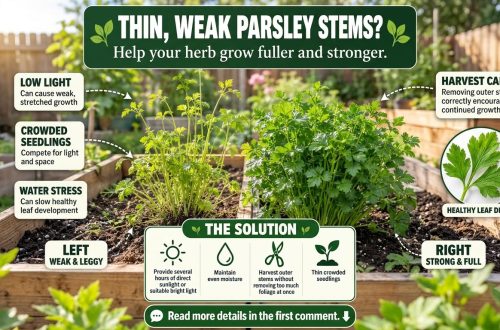
- Harvesting Technique: To ensure continuous growth, cut the outer stems at the base of the plant, near the soil line. Avoid just plucking individual leaves from the top, which can stunt new growth.
- Regular Harvests: Harvest regularly to encourage the plant to produce more foliage. This constant removal prevents it from putting energy into bolting.
- Overwintering: In warmer climates (USDA Zones 7-9), parsley may overwinter and produce a second year, but it will likely bolt in its second season.
8. Rosemary (Salvia rosmarinus)
Rosemary is a woody perennial shrub that can grow quite large. Pruning helps maintain its shape, encourages bushiness, and provides fresh sprigs.
- Regular Pruning: Prune rosemary regularly to maintain its desired size and shape. Snip off new growth and tender stems as you harvest for culinary use.
- Shaping Cuts: For more significant shaping or to rejuvenate an overgrown plant, prune in late spring after the last frost. You can cut back about one-third of the plant’s overall size.
- Crucial Warning: Never cut into old, thick, woody stems that have no green leaves or visible growth buds, as these parts of the plant often will not regrow. Focus on pruning the softer, younger stems and slightly woody stems with visible foliage.
9. Dill (Anethum graveolens)
Dill is an annual herb known for its feathery leaves and distinctive seeds. It’s another plant that benefits from strategic harvesting to extend its leaf production.
- Harvesting Leaves: Snip outer leaves or entire stalks as needed, focusing on the mature foliage. Harvest regularly from the top of the plant.
- Flower Management: To extend your harvest of fresh dill leaves, cut off any developing flower heads as they appear. This diverts the plant’s energy from seed production back to leaf growth.
- Seed Collection: If you want to collect dill seeds (for pickling or planting next year), allow some plants to flower and go to seed. This will, however, significantly reduce the plant’s leaf production.
Common Pruning Mistakes to Avoid
- Over-pruning: While herbs love pruning, taking too much at once can shock the plant. Never remove more than one-third of the plant’s foliage at a time.
- Cutting into Old Wood: Especially with woody herbs like rosemary and thyme, cutting into stems that are completely brown and woody with no visible leaves or buds can prevent regrowth. Always aim for stems with some green growth.
- Ignoring Flower Buds: For most culinary herbs where you want leaves, ignoring flower buds is a common mistake that leads to early bolting and reduced flavor.
- Using Dull Tools: Always use sharp, clean pruning shears or scissors. Dull tools can crush stems, making plants more susceptible to disease.
- Inconsistent Pruning: Pruning is an ongoing process. Regular, light pruning is more effective than one heavy cut once a season.
Regional Considerations for Herb Pruning
The timing of your pruning can vary based on your USDA hardiness zone and local climate. In colder regions (Zones 3-5), annual herbs will have a shorter growing season, so prune aggressively to maximize harvests before frost. Perennial herbs here might need less pruning in late fall to avoid stimulating new growth that could be damaged by winter cold.
In temperate zones (6-8), most perennials will offer an extended season, and you can prune more consistently into early fall. For warmer regions (Zones 9-11), many “annual” herbs might grow as tender perennials, and pruning can be a year-round activity to keep plants productive and prevent legginess from summer heat. Always pay attention to your local frost dates and adjust your pruning schedule accordingly.
Conclusion
Pruning your herbs is an incredibly rewarding gardening practice that directly translates to healthier plants and more flavorful harvests. By understanding the specific needs of each herb and applying these simple techniques, you’ll not only extend your growing season but also cultivate a more vibrant, productive, and beautiful herb garden. Don’t be shy with your pruning shears – your plants, and your taste buds, will thank you for it. Happy snipping!