Saving Your Pear Harvest: Understanding Why Pears Fall Early
Few things are as satisfying as growing your own fruit, and pear trees, with their beautiful blossoms and delicious bounty, are a delightful addition to any garden. However, the joy can quickly turn to disappointment when you notice your unripe pears dropping prematurely to the ground. This common gardening dilemma can be disheartening, but understanding the reasons behind early fruit loss is the first step towards protecting your pear trees and ensuring a plentiful harvest.
Why Are Your Pears Falling Early? Understanding the Common Causes
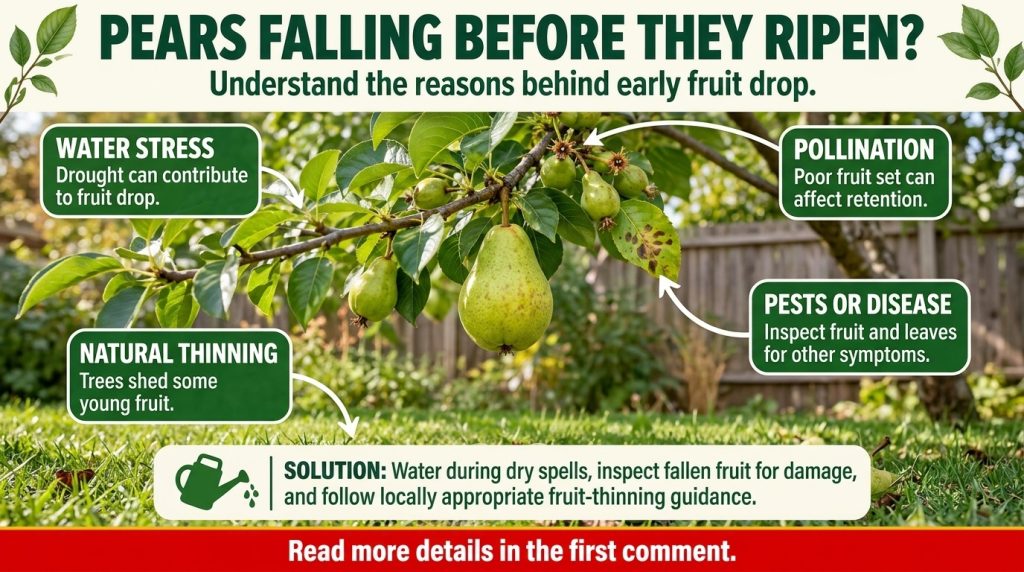
Several factors can contribute to pears falling before they ripen. By identifying the specific issue, you can take targeted action to save your harvest.
1. Water Stress: The Thirsty or Drowning Tree
Both too little and too much water can cause a pear tree to drop its fruit. Pears need consistent moisture, especially during fruit development. If the tree experiences prolonged dry spells, it will conserve resources by shedding developing fruit. Conversely, waterlogged soil deprives roots of oxygen, stressing the tree and leading to similar fruit drop.
- Solution: Ensure consistent watering, especially during dry periods. Aim for deep watering a few times a week rather than shallow daily sprinkles. Check soil moisture before watering – it should feel moist but not soggy a few inches down. Good drainage is also crucial.
2. Pollination Problems: A Mismatch in the Orchard
Many pear varieties require cross-pollination, meaning they need pollen from a different pear variety to produce fruit. If you only have one type of pear tree, or if pollinators (like bees) are scarce during bloom time, your trees might not be adequately pollinated. Even if fruit sets, insufficient pollination can lead to weak fruit attachment and early drop.
- Solution: Plant at least two different, compatible pear varieties that bloom at the same time. Encourage pollinators by planting nectar-rich flowers nearby and avoiding pesticides during bloom.
3. Natural Thinning: The Tree’s Way of Self-Preservation
Sometimes, a pear tree simply produces more fruit than it can realistically support to maturity. In such cases, the tree naturally ‘thins’ its crop by dropping some fruit, usually in late spring or early summer. This process allows the remaining fruit to grow larger and develop better flavor, as the tree’s energy is concentrated on fewer pears.
- Solution: While natural thinning is beneficial, you can assist the process. Once the natural drop has occurred, manually thin remaining fruit so they are spaced about 6-8 inches apart. This ensures optimal growth and prevents branches from breaking under too much weight.
4. Pests and Diseases: Unwanted Guests in Your Garden
A variety of pests and diseases can damage developing pears or stress the tree, leading to early fruit drop. Common culprits include codling moths (whose larvae tunnel into fruit), plum curculios, and fungal diseases like scab.
- Solution: Regularly inspect your trees for signs of pests or disease. Implement organic pest control methods like pheromone traps for codling moths, remove affected fruit promptly, and ensure good air circulation through proper pruning. Consult local extension services for specific disease management strategies in your area.
Essential Tips for a Bountiful Pear Harvest
Beyond addressing specific causes of fruit drop, general good care practices will significantly boost your pear tree’s health and productivity:
- Soil Health: Pears thrive in well-draining, fertile soil. Amend heavy clay soils with organic matter to improve drainage and nutrient content.
- Proper Pruning: Prune your pear trees annually in late winter to remove dead or diseased branches, improve air circulation, and shape the tree. This helps prevent disease and encourages better fruit production.
- Adequate Nutrition: Provide balanced fertilizer in early spring, based on soil test results. Avoid excessive nitrogen, which can promote leafy growth at the expense of fruit.
- Mulching: Apply a layer of organic mulch around the base of the tree (keeping it a few inches away from the trunk) to retain soil moisture, regulate temperature, and suppress weeds.
By understanding these common reasons and implementing thoughtful care strategies, you can minimize early fruit drop and look forward to a successful, delicious pear harvest each year. Happy gardening!