Discover a traditional beauty secret for a visibly tighter and more radiant complexion. This simple alum-based rinse is a time-tested remedy for women looking for natural ways to enhance their skin’s appearance. It’s easy to make and can be incorporated into your regular routine to support a fresh, youthful glow.
Quick Recipe
This easy DIY alum rinse helps invigorate your skin.
- Prep time: 5 minutes
- Best for: Skin tightening, dullness, oily skin
- Use type: Face rinse/toner
- Main ingredients:
- Alum powder
- Rose water
- Aloe vera gel (optional)
Ingredients
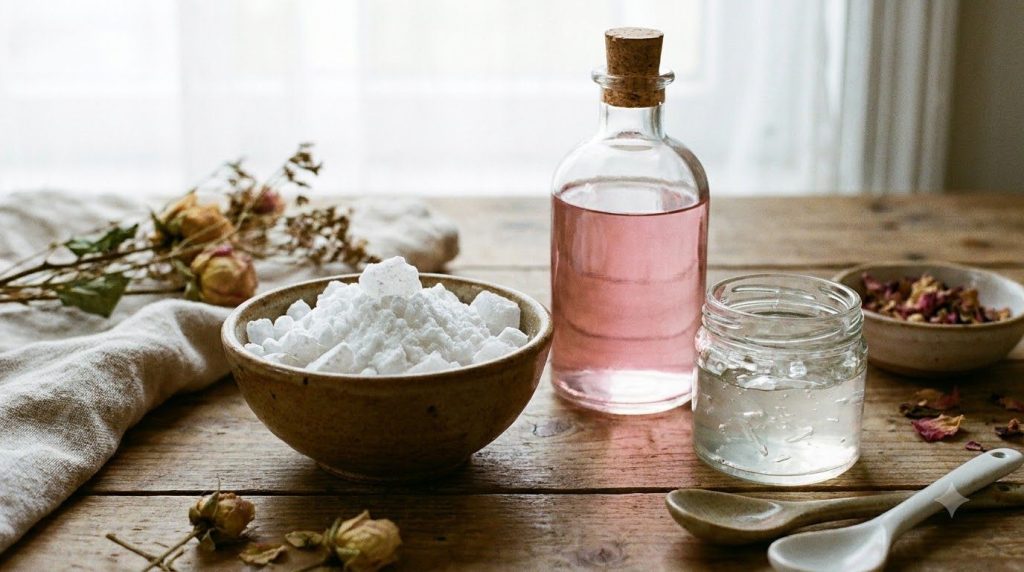
- 1/4 teaspoon alum (phitkari) powder
- 1/2 cup pure rose water
- 1 teaspoon pure aloe vera gel (optional, for added soothing and hydration)
How to Make It
- Prepare the Alum Solution: In a clean bowl, combine the 1/4 teaspoon of alum powder with the 1/2 cup of pure rose water.
- Dissolve Thoroughly: Stir the mixture well until the alum powder completely dissolves. You may need to stir for a minute or two to ensure no gritty particles remain.
- Add Aloe Vera (Optional): If you’re using aloe vera gel, stir in the 1 teaspoon of gel until it’s fully blended into the liquid. This adds a soothing and hydrating touch.
- Strain and Store: Once the mixture is smooth and fully dissolved, carefully pour it through a fine-mesh strainer or a piece of cheesecloth into a clean, airtight bottle. This helps ensure your rinse is free of any undissolved particles.
- Cool and Use: Allow the mixture to cool to room temperature before use. Store your DIY alum rinse in the refrigerator to keep it fresh and enhance its refreshing feel on the skin.
How to Use It
- Cleanse Your Face: Start with a clean face. Wash your face with your regular gentle cleanser and pat it dry.
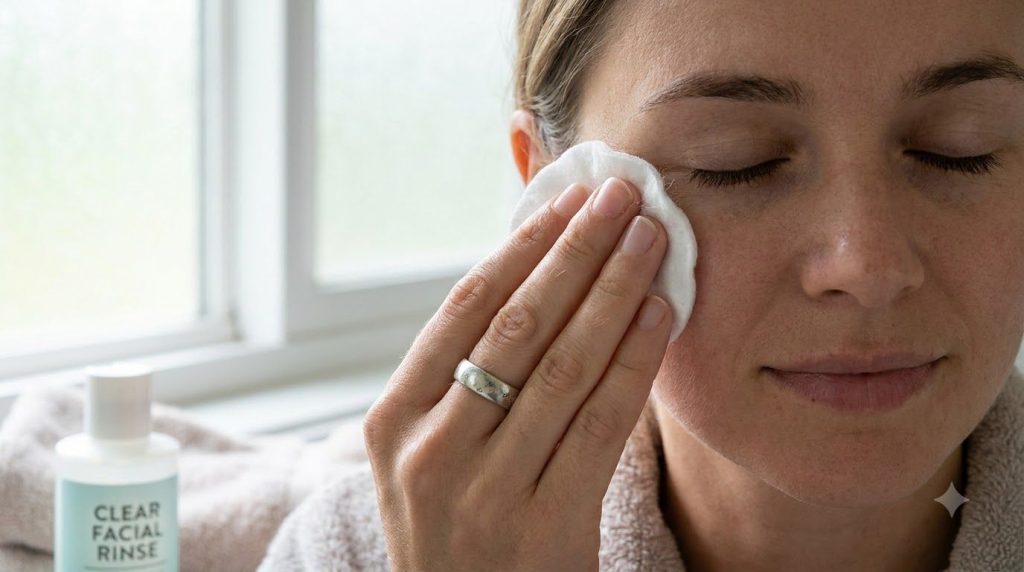
- Apply the Rinse: You have a couple of options for application. You can either pour a small amount of the alum rinse onto a cotton pad and gently swipe it across your face, avoiding the eye area. Alternatively, you can splash a small amount directly onto your face, similar to how you would use a facial toner.
- Allow to Dry: Let the rinse air dry on your skin for a few moments, or gently pat it dry with a clean towel.
- Follow with Moisturizer: Since alum can be astringent, it’s important to follow up with your favorite hydrating moisturizer to keep your skin balanced and nourished.
How Often to Use It
Begin by using this alum rinse 2-3 times a week to see how your skin responds. If your skin tolerates it well and you desire more frequent use, you can gradually increase to once daily. Always listen to your skin and adjust as needed.
Why These Ingredients Are Used
Alum Powder
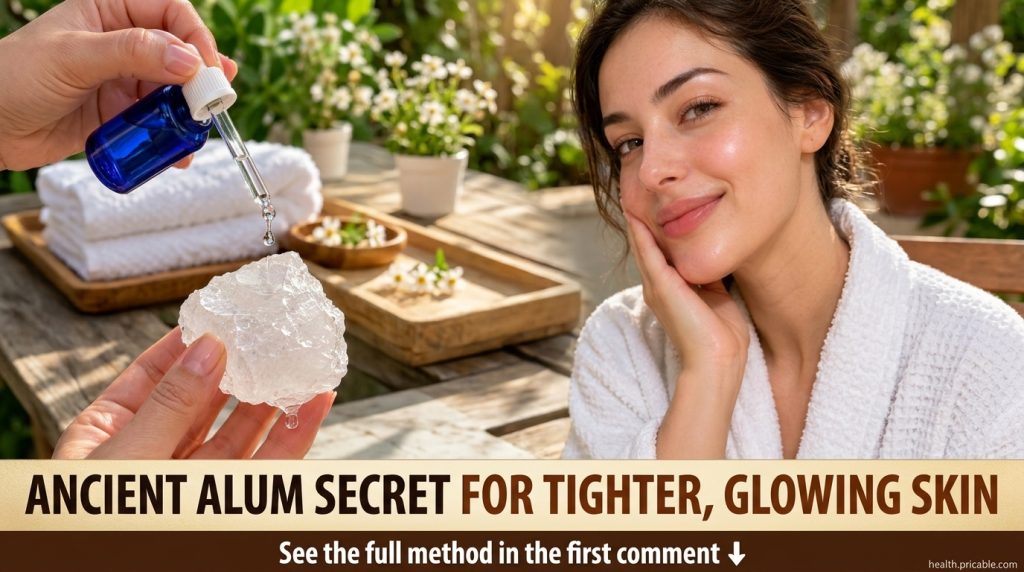
Alum, often known as ‘phitkari,’ is a naturally occurring mineral salt that has been traditionally used for its astringent properties. In beauty, it’s valued for its potential to help temporarily tighten the skin’s appearance, making pores look less noticeable, and contributing to a smoother-looking complexion.
Rose Water
Rose water is a classic beauty ingredient, cherished for its gentle, hydrating, and mildly antiseptic qualities. It helps to soothe the skin, reduce the appearance of redness, and maintain the skin’s pH balance, making it an ideal base for many DIY skin remedies.
Aloe Vera Gel
Pure aloe vera gel is renowned for its calming and moisturizing benefits. It can help counteract any potential drying effects of alum, providing a soothing layer of hydration and supporting the skin’s natural healing process. It’s an excellent addition for those with sensitive or dry skin.
What Results to Expect
With consistent use, you may notice your skin feels firmer and appears smoother. The astringent action of alum can help minimize the appearance of pores, contributing to a more refined look. The combination with rose water and aloe vera aims to support a brighter, more even-toned, and radiant complexion, giving you a natural glow.
Safety Notes
- Patch Test First: Always perform a patch test on a small, inconspicuous area of your skin (like behind the ear or on your inner forearm) before applying the rinse to your entire face to check for any irritation or allergic reactions.
- Use Gently: Apply the rinse with a light hand. Do not rub vigorously, especially if you have sensitive skin.
- Avoid Irritated or Broken Skin: Do not use this remedy on skin that is cut, broken, irritated, or sunburned, as it may cause discomfort or further irritation.
- Avoid Eye Area: Keep the alum rinse away from your eyes, as it can cause stinging or irritation.
- Stop If Discomfort Occurs: If you experience any redness, itching, burning, or unusual discomfort, discontinue use immediately and rinse your face thoroughly with cool water.
- Dilution is Key: Alum is potent. Always ensure it is properly diluted as per the recipe. Do not use alum directly on your skin without dilution.
FAQ
What exactly is alum?
Alum is a common name for potassium aluminum sulfate, a natural mineral salt. It’s often found in crystalline form and is widely used in traditional remedies, water purification, and as a natural deodorant due to its astringent properties.
Is alum suitable for all skin types?
While alum can be beneficial, individuals with very dry or highly sensitive skin should exercise caution. Always start with a patch test and observe your skin’s reaction. If you have any underlying skin conditions, consult with a dermatologist before using new home remedies.
Where can I purchase alum powder?
Alum powder is readily available. You can typically find it in ethnic grocery stores (especially Indian or Middle Eastern markets), some pharmacies, spice shops, or online retailers. Look for food-grade alum or ‘phitkari’ for purity.
Final Thoughts
Embracing natural beauty solutions like this traditional alum rinse can be a wonderful way to care for your skin. With its potential to support a tighter, more radiant look, it offers a simple yet effective addition to your beauty regimen. Remember to be patient, consistent, and always prioritize your skin’s comfort and safety. Give this ancient secret a try and see if it helps reveal your natural glow!