You see it everywhere – a vibrant yellow bloom that quickly turns into a whimsical puffball, only to be dismissed as a garden nuisance. Most people spend more time trying to eradicate this plant than understanding its true potential. But what if we told you this common “weed” holds a hidden value, especially in its root, that many herbalists consider a powerhouse for wellness? It’s true. The humble dandelion, or Taraxacum officinale, is far more than just a weed; it’s a versatile herb with a history of traditional use, particularly its root, often prepared as a beneficial tea.
This article will unlock the practical steps to harness the value of dandelion root, turning it into a simple yet effective home remedy. Forget what you thought you knew about dandelions; we’re diving into how to prepare and use a classic dandelion root tea.
What Is Dandelion Root Tea?
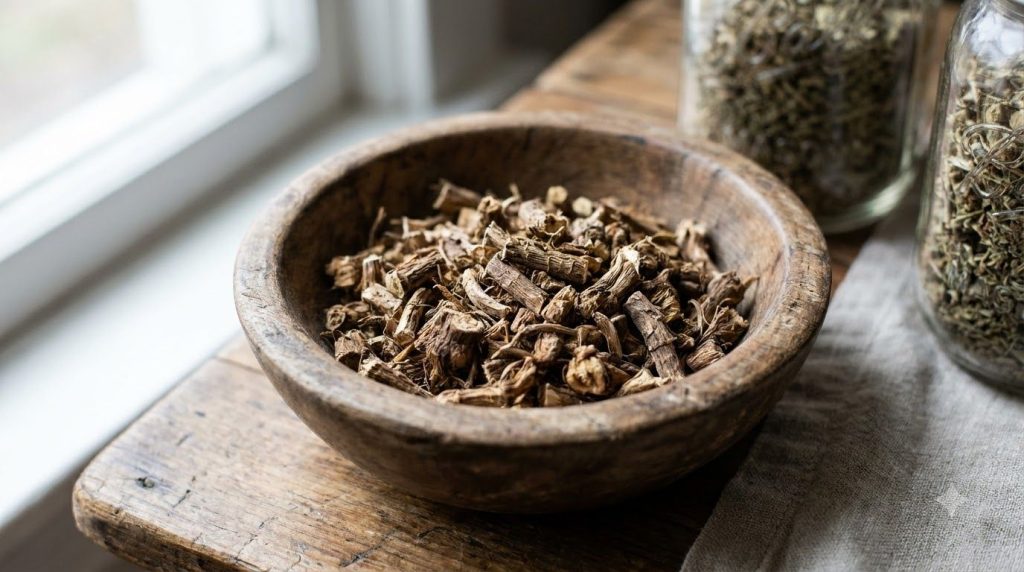
Dandelion root tea is an herbal infusion made from the dried and sometimes roasted roots of the dandelion plant. Historically, dandelions have been valued for their various parts – leaves for salads, flowers for wine, and roots for tinctures and teas. The root, however, is particularly prized in traditional practices for its potential support of liver function and digestive health. It’s a naturally caffeine-free beverage with a distinct, slightly bitter, earthy flavor, often compared to coffee when roasted.
Ingredients
- 1-2 teaspoons dried dandelion root (chopped or granulated)
- 8 ounces (1 cup) hot water
Approximate Measurements
For a standard cup of dandelion root tea, begin with 1 to 2 teaspoons of dried, chopped dandelion root per 8 ounces of water. If you’re using fresh root, you may need a slightly larger quantity due to water content – about 1 tablespoon. Adjust to your taste preference for a stronger or milder brew.
Formula / Recipe: Simple Dandelion Root Tea
This basic recipe is for a nourishing herbal infusion designed to extract the beneficial compounds from the dandelion root.
Step-by-Step Method
- Measure the Root: Place 1-2 teaspoons of dried dandelion root into a tea infuser, French press, or directly into a mug.
- Heat the Water: Bring 8 ounces (1 cup) of fresh, filtered water to a boil.
- Pour and Steep: Pour the hot water over the dandelion root.
- Cover (Optional but Recommended): If using a mug, cover it with a small plate or lid. This helps to trap the volatile oils and beneficial compounds within the tea.
- Steep: Allow the tea to steep for 5-10 minutes. For a stronger brew, steep longer, up to 15 minutes.
- Strain and Serve: Remove the infuser or strain the tea to separate the root particles. Serve hot. You can add a squeeze of lemon or a touch of honey if desired, though many prefer its natural, earthy taste.
How to Use
Dandelion root tea is primarily consumed as a beverage. It’s often enjoyed for its potential digestive support, liver cleansing properties, and as a gentle diuretic. Many people incorporate it into their morning routine or drink it between meals.
How Often to Use
For general wellness, drinking 1-2 cups of dandelion root tea daily for a period of 2-4 weeks is a common practice. Listen to your body and adjust frequency as needed. It’s wise to take short breaks (e.g., a week off) after continuous use to allow your body to reset.
Quick Tip: Best Time to Use It
Many find dandelion root tea most effective when consumed before meals to stimulate digestion, or in the morning to kickstart a gentle detoxification process. Avoid consuming large quantities right before bed due to its diuretic properties.
How to Buy / How to Choose Ingredients
When sourcing dandelion root, quality and safety are paramount. Your best options are:
- Certified Organic Dried Dandelion Root: This is the safest and most convenient option. Look for reputable herbal suppliers.
- Wild Harvesting: If harvesting yourself, ensure the dandelions are from an area free of pesticides, herbicides, and pollutants (e.g., away from roadsides, industrial areas, or conventional farms). Dig deep to get the full taproot.
| Feature | Fresh Dandelion Root | Dried Dandelion Root |
|---|---|---|
| Source | Wild harvest (ensure unsprayed) | Herbal supplier or home-dried |
| Preparation | Wash, chop, optionally roast | Ready to use (chopped/granulated) |
| Potency | Potentially higher in some fresh compounds; more water content | Concentrated flavor and compounds; longer shelf life |
| Storage | Refrigerate up to 1 week, or dry for long-term | Store in airtight container, cool, dark place |
| Tea Ratio | Approx. 1 tbsp per cup | Approx. 1-2 tsp per cup |
Storage
- Dried Dandelion Root: Store in an airtight container in a cool, dark, dry place. It can last for 1-2 years when stored properly.
- Prepared Tea: Dandelion root tea is best consumed fresh. If you have leftovers, store them in a sealed container in the refrigerator for up to 24-48 hours. Reheat gently, but fresh is always ideal for optimal benefits.
Practical Tips
- Roasting the Root: For a more coffee-like flavor, you can gently roast cleaned and chopped fresh dandelion root in an oven until dark brown and aromatic before drying or brewing.
- Blending: Dandelion root tea can be blended with other herbs like ginger, peppermint, or burdock root to enhance flavor and add complementary benefits.
- Taste Enhancement: If the bitterness is too strong, a slice of orange, a cinnamon stick, or a small amount of maple syrup can mellow the flavor.

Common Mistakes
- Using Sprayed Dandelions: This is the most crucial mistake. Always ensure any dandelions you forage are free from chemical treatments.
- Confusing Plants: While dandelions are generally easy to identify, ensure you are not accidentally harvesting a similar-looking but potentially toxic plant.
- Boiling Too Long: While roots can handle more heat than delicate leaves, excessive boiling can degrade some compounds. Steeping after boiling is generally preferred.
- Improper Drying: If drying your own roots, ensure they are thoroughly dry to prevent mold growth during storage.
Cautions / Who Should Avoid It
While generally safe for most healthy adults, dandelion root tea comes with some considerations:
- Allergies: Individuals allergic to ragweed, chrysanthemums, marigolds, or daisies may experience an allergic reaction to dandelion.
- Medication Interactions: Dandelion can interact with certain medications, including diuretics, blood thinners, and drugs processed by the liver. Consult a healthcare professional if you are on medication.
- Pregnancy and Breastfeeding: Limited research exists. It’s best to consult a doctor before use during pregnancy or breastfeeding.
- Gallbladder Issues: Dandelion may stimulate bile flow. Individuals with gallbladder disease or gallstones should consult a doctor before use.
Quick Summary
Dandelion root tea offers a simple, accessible way to support digestive and liver health. Best made from dried, unsprayed dandelion root steeped in hot water, it’s typically consumed 1-2 times daily. Store dried root in an airtight container, and fresh tea should be consumed promptly. Always ensure your source is free of pesticides and consult a healthcare provider if you have underlying health conditions or are on medication.
FAQ
- Can I use fresh dandelion root? Yes, you can use fresh dandelion root. Ensure it’s thoroughly washed, chopped, and you may need a slightly larger quantity per cup.
- How long does dandelion root tea last? The prepared tea is best consumed fresh. It can be refrigerated for up to 24-48 hours. Dried root, stored properly, can last 1-2 years.
- What part of the dandelion is best for tea? The root is traditionally used for its liver-supporting and digestive benefits, while the leaves are often used as a diuretic.
- How often should I drink dandelion root tea? 1-2 cups daily for a few weeks is a common recommendation, with breaks as needed.
- Are there any side effects? Mild side effects can include heartburn, diarrhea, or stomach upset. Allergic reactions are also possible.
- Can children drink dandelion root tea? It’s generally not recommended for children without consulting a pediatrician.
- What does dandelion root tea taste like? It has an earthy, slightly bitter flavor, often described as similar to coffee when roasted.
- When should I avoid dandelion root tea? Avoid if allergic to related plants, if pregnant/breastfeeding, or if taking certain medications without consulting a healthcare provider.
Conclusion
The next time you spot a dandelion, you’ll see more than just a “weed” — you’ll see a powerful, natural ally. Dandelion root tea is a testament to the potent remedies hidden in plain sight, offering a simple, accessible way to support your body’s natural functions. By following these practical steps, you can confidently prepare and enjoy this age-old remedy. Embrace the unexpected value of nature’s generosity.
Read more: Discover the Full Guide to Foraging Edible Plants Safely
You may also like: How to Make a Refreshing Herbal Detox Drink
