Fat loss isn’t just about eating less; it’s about eating smarter! Incorporating foods that keep you full and satisfied can make a huge difference in managing your weight and overall well-being. The key lies in choosing nutrient-dense options that provide sustained energy and help curb those pesky hunger pangs.
Understanding which foods promote satiety – the feeling of fullness – can transform your approach to healthy eating. These choices often stabilize blood sugar levels, preventing sudden spikes and crashes that can lead to cravings and overeating. Let’s explore some incredible foods that are your secret weapons against hunger, helping you feel full, not fat, and fuel your body right!
Protein Powerhouses for Lasting Fullness
Protein is a macronutrient renowned for its ability to increase satiety. It takes longer to digest than carbohydrates, keeping you feeling fuller for an extended period and helping to reduce overall calorie intake.
Eggs: The Incredible Breakfast Staple
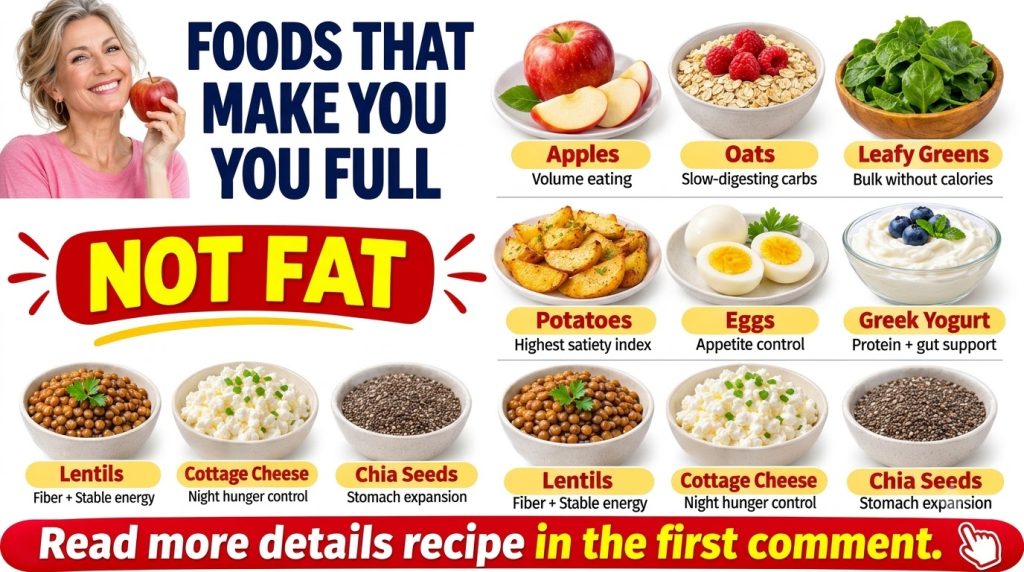
- Why they work: Eggs are an excellent source of high-quality protein, containing all nine essential amino acids. Starting your day with eggs may help you feel fuller until lunch, potentially reducing snacking throughout the morning.
- How to enjoy: Scrambled, boiled, poached, or in an omelet with plenty of vegetables.
Greek Yogurt: Creamy & Satisfying
- Why it works: Packed with protein and often lower in sugar than regular yogurt, Greek yogurt is a fantastic option for a snack or breakfast. The protein content helps slow digestion and keep hunger at bay.
- How to enjoy: Pair with berries, a sprinkle of chia seeds, or a drizzle of honey.
Cottage Cheese: Versatile & Nutrient-Rich
- Why it works: Like Greek yogurt, cottage cheese is high in protein, particularly casein, a slow-digesting protein that helps promote sustained fullness.
- How to enjoy: Enjoy it plain, with fruit, or as a savory snack with black pepper and chives.
Fiber-Rich Foods to Fill You Up
Fiber adds bulk to your diet without adding extra calories, helping you feel full. It also aids in digestion and can support healthy blood sugar levels.
Apples: Nature’s Perfect Snack
- Why they work: Apples are rich in both soluble and insoluble fiber, especially in their skin. The water content also contributes to their filling effect. Chewing an apple also requires more effort, which can signal satiety to your brain.
- How to enjoy: Fresh, sliced with a tablespoon of nut butter, or added to oatmeal.
Oats: The Heart-Healthy Grain
- Why they work: Oats are loaded with soluble fiber, particularly beta-glucan, which forms a gel-like substance in your digestive system, slowing digestion and absorption and promoting a feeling of fullness.
- How to enjoy: As oatmeal, overnight oats, or blended into smoothies.
Lentils: Plant-Based Protein & Fiber
- Why they work: Lentils are nutritional powerhouses, offering a significant amount of both protein and dietary fiber. This combination makes them incredibly filling and excellent for digestive health.
- How to enjoy: In soups, stews, salads, or as a base for veggie burgers.
Chia Seeds: Tiny Seeds, Big Impact
- Why they work: These tiny seeds absorb many times their weight in water, forming a gel that expands in your stomach, contributing significantly to feelings of fullness. They are also rich in fiber and omega-3 fatty acids.
- How to enjoy: Stirred into yogurt, smoothies, oatmeal, or used to make chia pudding.
Volume-Boosting & Nutrient-Dense Choices
Foods with high water content and low caloric density allow you to eat a larger volume without consuming excess calories, making them ideal for satiety.
Leafy Greens: Your Go-To for Volume
- Why they work: Spinach, kale, lettuce, and other leafy greens are incredibly low in calories but high in water and fiber. Eating a large salad can fill you up with minimal caloric impact.
- How to enjoy: As the base for salads, sautéed as a side dish, or blended into green smoothies.
Potatoes: A Surprising Satiety Champion
- Why they work: Often misunderstood, potatoes (especially baked or boiled) rank very high on the satiety index. They contain resistant starch when cooled, which acts like fiber and can help with fullness and gut health.
- How to enjoy: Baked, boiled, or roasted, with their skin on for maximum fiber. Avoid frying, which adds unhealthy fats.
Making Smart Choices for a Balanced Body
Incorporating these foods into your daily meals can be a game-changer for managing hunger and supporting your overall health goals. Remember, the goal is not just to eat less, but to eat better – nourishing your body with nutrient-rich foods that keep you satisfied and energized.
Always consult with a healthcare professional or registered dietitian for personalized advice tailored to your specific health needs and goals. This information is for educational purposes only and not intended as a substitute for professional medical advice or treatment.