A healthy garden is a happy garden, but sometimes, uninvited guests can turn your vibrant plants into a feast. The key to successful pest control isn’t always about reaching for a spray bottle; often, it’s about keen observation and early identification. Learning to read the signs of damage on your plants can tell you exactly who’s been snacking in your garden and help you choose the most effective, eco-friendly solution.
Many gardeners face the challenge of dying plants or stunted growth, often without knowing the cause. This guide will help you become a garden detective, teaching you how to identify common garden pests by the distinctive damage they leave behind. Let’s dig in!
Why Early Pest Identification is Crucial
Spotting pest damage early can save your plants, and potentially your entire garden, from significant harm. Undetected infestations can quickly escalate, leading to irreversible plant stress, disease, and even death. Early intervention, guided by accurate identification, allows you to implement targeted and often less intrusive control methods, preserving your garden’s health and biodiversity.
Common Types of Damage and Their Culprits
Different pests leave unique calling cards. By familiarizing yourself with these signs, you can narrow down the suspects.
1. Chewed or Irregular Holes in Leaves
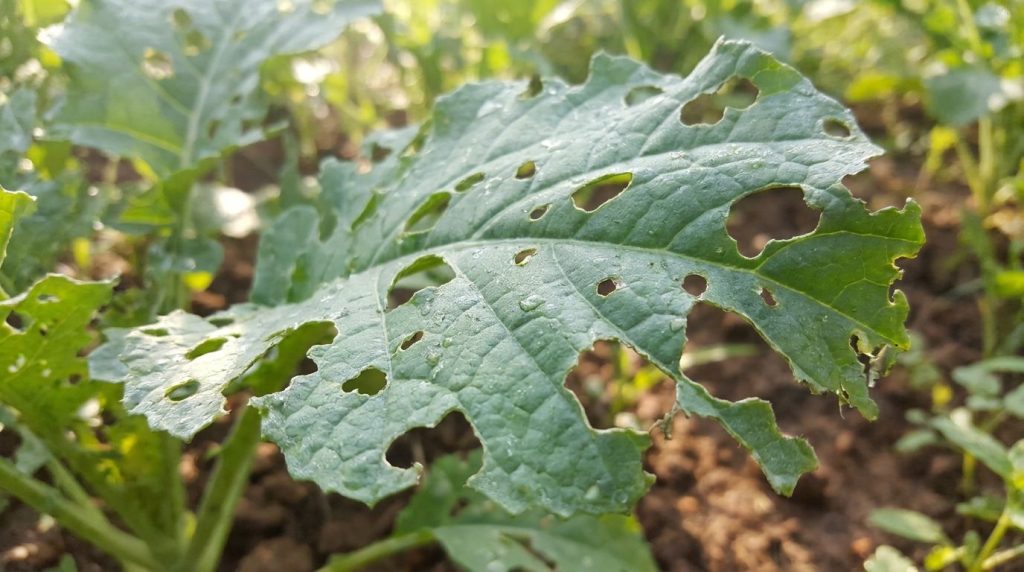
If you see leaves with ragged edges, large holes, or entire sections missing, you likely have a chewing pest on your hands.
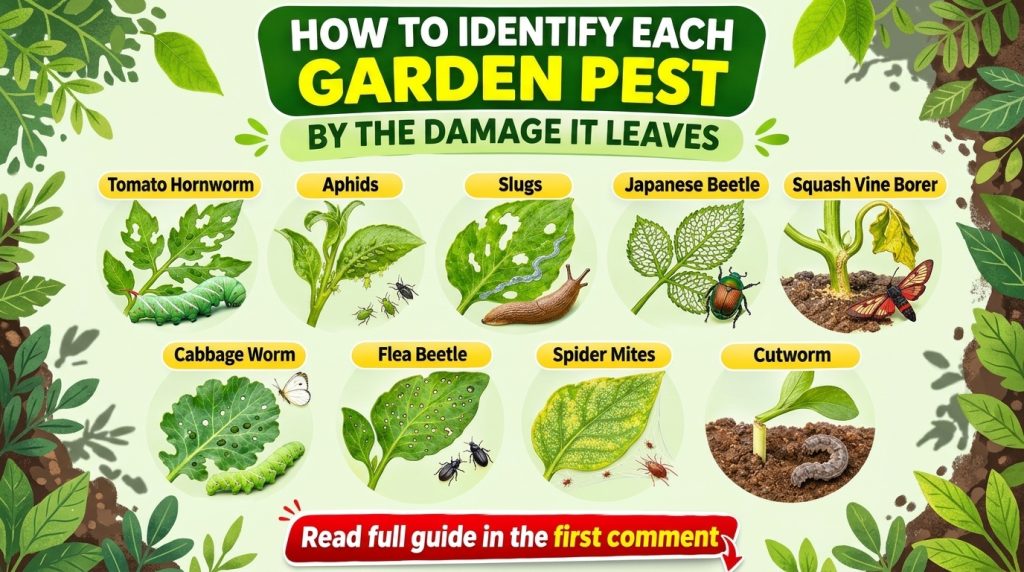
- Caterpillars: These hungry larvae can devour leaves at an astonishing rate, often starting from the edges or creating large, irregular holes. Look for their droppings (frass) near the damaged areas.
- Slugs and Snails: They leave slimy trails along with irregular holes, especially on the lower leaves. They prefer to feed at night or on damp, overcast days.
- Grasshoppers and Beetles: These can also create holes and chew leaves, sometimes skeletonizing them (eating the tissue between the veins).
2. Yellowing, Stunted Growth, or Wilting
Pests that suck sap from plants can lead to overall decline in plant health, often showing as discoloration, lack of vigor, or wilting.
- Aphids: These tiny, pear-shaped insects cluster on new growth and the undersides of leaves, sucking sap. Their feeding causes leaves to curl, yellow, and growth to be stunted. They also excrete sticky honeydew.
- Spider Mites: While tiny, their feeding causes a stippled, speckled, or bronzed appearance on leaves, especially on the undersides. Severe infestations lead to fine webbing.
- Whiteflies: Small, white, moth-like insects that fly up in a cloud when disturbed. They also suck sap and excrete honeydew, causing yellowing and stunted growth.
- Root Maggots/Grubs: If the entire plant wilts or looks sickly despite adequate water, inspect the roots. These pests feed on roots, disrupting water and nutrient uptake.
3. Stippling or Discoloration
Tiny dots or a washed-out appearance on leaves often point to very small, sap-feeding pests.
- Thrips: These minute, slender insects scrape plant tissue and suck the exuded sap, leaving silvery or bronzed streaks and tiny black specks of their waste on leaves.
- Leaf Miners: These larvae tunnel within the leaf tissue, creating winding, silvery trails or ‘mines’ that are visible on the leaf surface.
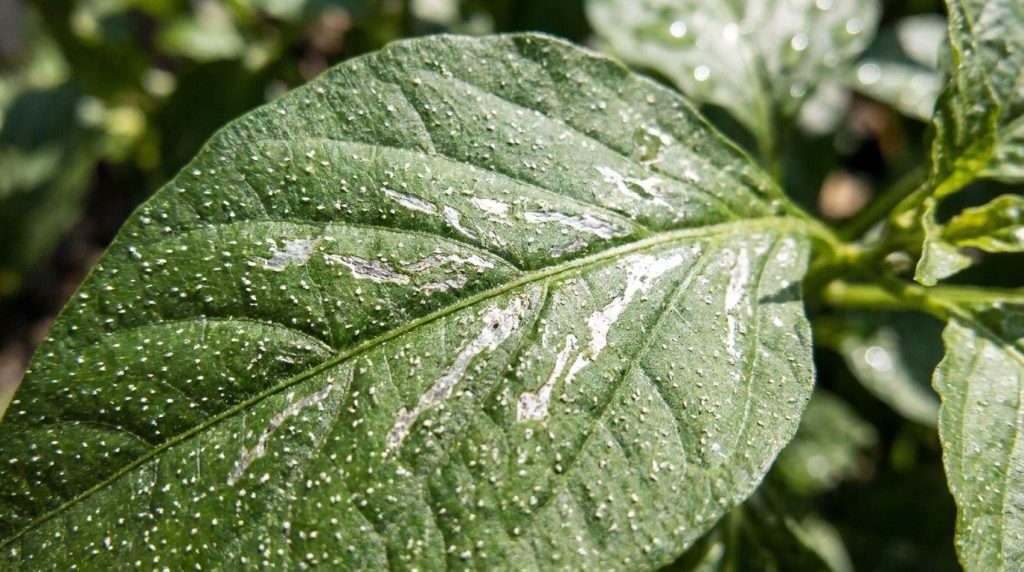
4. Sticky Residue (Honeydew) or Sooty Mold
If your plants feel sticky or have a black, powdery coating, it’s a strong indicator of certain sap-sucking insects.
- Aphids, Whiteflies, Scale Insects, Mealybugs: These pests excrete a sugary substance called honeydew. This sticky substance then often becomes a breeding ground for a black fungus known as sooty mold, which can further impede photosynthesis.
5. Galls, Swellings, or Distorted Growth
Unusual growths or deformities on leaves, stems, or roots can also be caused by pests.
- Gall Wasps/Mites: These insects induce plants to form abnormal growths (galls) which serve as protection and food for the developing larvae.
- Aphids/Leafhoppers: Their feeding can cause new leaves to crinkle, curl, or become severely distorted.
General Tips for Pest Prevention and Control
Once you’ve identified the culprit, you can take action. Here are some organic and preventive strategies:
- Regular Inspection: The best defense is a good offense. Inspect your plants regularly, especially the undersides of leaves and new growth.
- Good Garden Hygiene: Remove fallen leaves and plant debris where pests can hide and overwinter.
- Companion Planting: Some plants repel pests (e.g., marigolds, nasturtiums) or attract beneficial insects (e.g., dill, parsley) that prey on pests.
- Hand-Picking: For larger pests like caterpillars, slugs, and beetles, simply pick them off and drop them into a bucket of soapy water.
- Hosing Off: A strong spray of water can dislodge aphids and spider mites from plants.
- Insecticidal Soap or Neem Oil: These organic options are effective against many soft-bodied pests like aphids, mites, and whiteflies, and are safer for beneficial insects when used correctly.
- Encourage Beneficial Insects: Ladybugs, lacewings, and parasitic wasps are natural predators of many garden pests. Provide habitat and avoid broad-spectrum pesticides that harm them.
By becoming attuned to the subtle (and not-so-subtle) changes in your garden, you can protect your plants and ensure a thriving, beautiful space. Happy gardening, everyone!