Most people walk past a moringa tree and think nothing of its tiny leaves. Yet, these vibrant greens hold a surprising culinary secret: they can transform into delicious, nutritious flatbreads right in your own kitchen! Forget the fruit or flowers; the real magic for many herbalists and health enthusiasts lies within these small, unassuming leaves. This guide will show you how to harness their power and create a staple for your healthy eating routine.
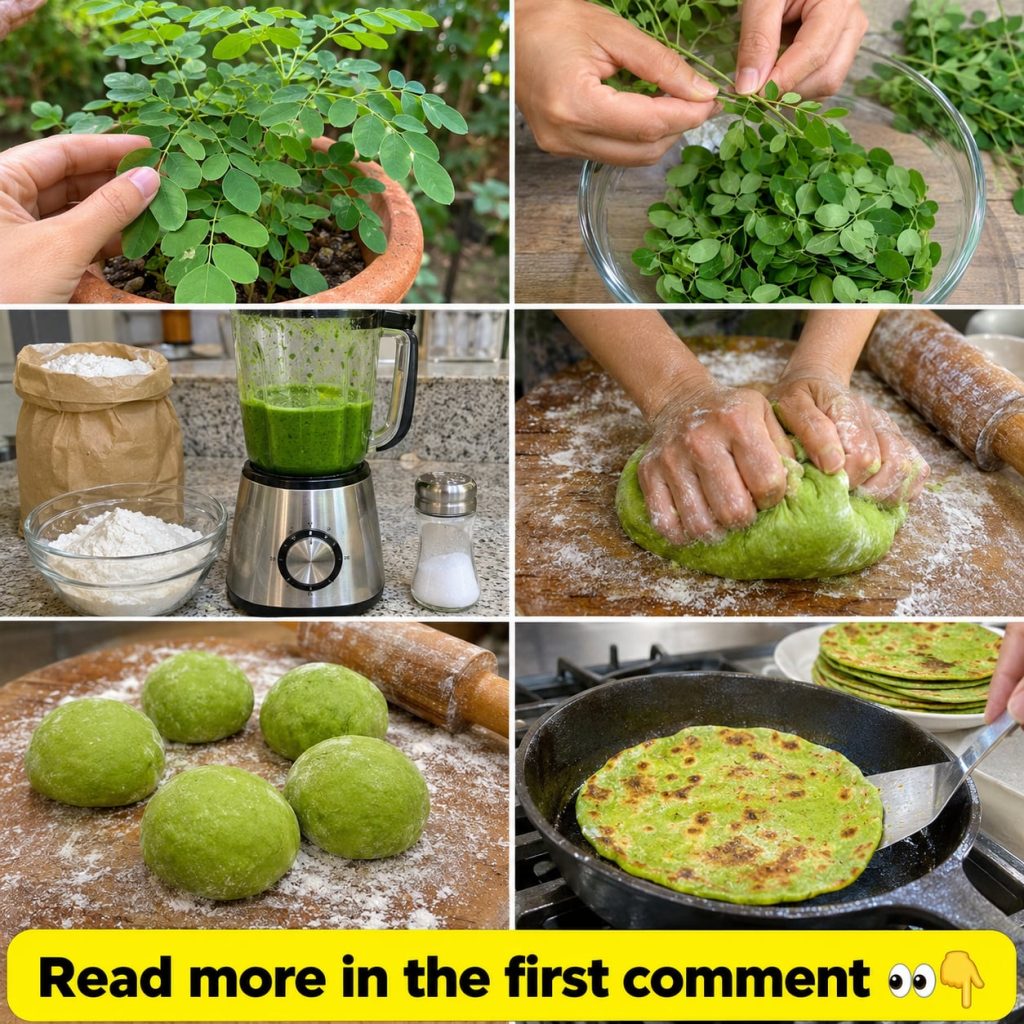
What Are Moringa Leaf Flatbreads?
Moringa leaf flatbreads are a simple, wholesome bread made by incorporating the powdered or finely chopped leaves of the Moringa oleifera tree into a basic flour and water dough. Often called the ‘miracle tree’ or ‘drumstick tree,’ moringa is native to India but grows in tropical and subtropical regions worldwide. Its leaves are celebrated for their impressive nutritional profile, containing vitamins, minerals, and antioxidants. These flatbreads offer a convenient and tasty way to add this superfood to your diet, serving as a versatile base for meals, snacks, or even as a wrap.
Unlike traditional flatbreads that rely solely on grains, adding moringa introduces a distinctive earthy, slightly peppery flavor and a beautiful green hue. They are an excellent alternative for those looking to boost their nutrient intake without complex preparations. The process is straightforward, requiring minimal ingredients and basic kitchen tools, making it accessible for everyone.
Did You Know?
Moringa leaves are incredibly nutrient-dense, boasting high levels of Vitamin C, Vitamin A, calcium, potassium, and iron. Gram for gram, they can contain more of these nutrients than many common foods like oranges, carrots, milk, and bananas.
Ingredients You’ll Need
Creating your own moringa leaf flatbreads is surprisingly simple. Here’s what you’ll gather:
- All-Purpose Flour: Provides the structure for the flatbreads. Whole wheat flour can also be used for a heartier option.
- Moringa Leaf Powder (or Fresh Leaves): The star ingredient. Powder is convenient; fresh leaves offer a more intense flavor and vibrant color.
- Warm Water: Essential for activating the gluten in the flour and bringing the dough together.
- Salt: To enhance the flavor.
- Olive Oil (or other cooking oil): For cooking the flatbreads and a touch in the dough.
- Optional Spices: Cumin powder, garlic powder, or chili flakes can add an extra kick.
Approximate Measurements
These measurements will yield about 8-10 medium-sized flatbreads, perfect for a family meal or meal prepping:
- 2 cups all-purpose flour
- 2-3 tablespoons moringa leaf powder (or 1/2 cup fresh moringa leaves, finely chopped)
- 1 cup warm water (adjust as needed)
- 1/2 teaspoon salt
- 1 tablespoon olive oil (plus more for cooking)
Formula / Recipe: Moringa Flatbread Base
The core of this recipe is a flexible dough that allows the moringa to shine. The key is finding the right balance of moisture to create a pliable, easy-to-work-with dough that isn’t too sticky or too dry.
Fresh vs. Dried Moringa Leaves
Choosing between fresh and dried moringa leaves impacts flavor, color, and texture. Here’s a quick comparison:
| Feature | Fresh Moringa Leaves | Moringa Leaf Powder (Dried) |
|---|---|---|
| Flavor | More vibrant, slightly peppery, grassy | Earthy, slightly more concentrated |
| Color | Bright green, often speckled | Darker green, uniform color |
| Texture | Adds slight texture if not finely chopped | Blends smoothly into dough |
| Availability | Seasonal, limited to tropical climates | Year-round, widely available online/health stores |
Step-by-Step Method
Follow these steps to create your delicious moringa flatbreads:
- Prepare the Moringa: If using fresh leaves, wash them thoroughly, pat dry, and finely chop. If using powder, no special preparation is needed.
- Combine Dry Ingredients: In a large mixing bowl, whisk together the flour, moringa powder (or chopped leaves), and salt. If adding optional spices, mix them in now.
- Add Wet Ingredients: Make a well in the center of the dry ingredients. Pour in the warm water and olive oil.
- Form the Dough: Gradually mix the ingredients with a spoon or your hands until a shaggy dough forms.
- Knead the Dough: Transfer the dough to a lightly floured surface. Knead for 5-7 minutes until it’s smooth, elastic, and no longer sticky. Add tiny amounts of flour if it’s too sticky, or water if it’s too dry.
- Rest the Dough: Place the dough back in the bowl, cover it with a damp cloth, and let it rest for at least 20-30 minutes. This allows the gluten to relax, making the dough easier to roll.
- Divide and Roll: Divide the rested dough into 8-10 equal portions. Roll each portion into a small ball, then flatten it into a thin circle (about 6-8 inches in diameter) using a rolling pin on a lightly floured surface.
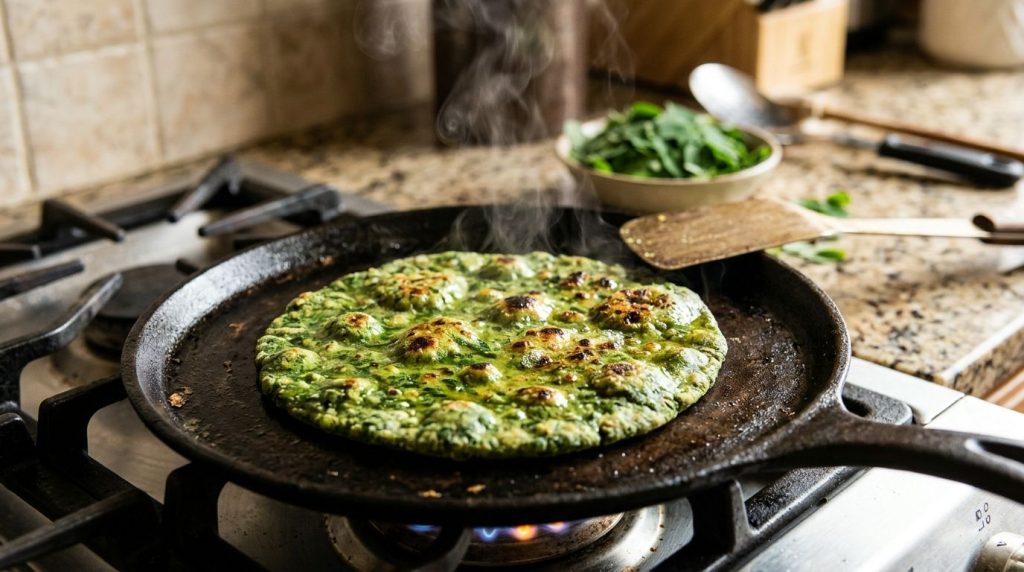
- Cook the Flatbreads: Heat a non-stick skillet or cast-iron griddle over medium-high heat. Once hot, lightly brush with oil. Place one rolled flatbread in the skillet.
- Flip and Cook: Cook for 1-2 minutes per side, or until golden brown spots appear and the flatbread puffs up slightly. Repeat with the remaining dough, brushing the pan with oil as needed.
How to Use Your Moringa Flatbreads
These versatile flatbreads can be enjoyed in many ways:
- With Dips: Serve warm with hummus, tzatziki, or a simple yogurt dip.
- As Wraps: Fill with roasted vegetables, grilled chicken, falafel, or your favorite salad ingredients.
- Alongside Curries: A perfect accompaniment to rich Indian or Thai curries.
- Simple Snack: Enjoy plain, brushed with a little butter or ghee.
- Mini Pizzas: Top with sauce, cheese, and vegetables, then bake until bubbly.
How Often to Use
Moringa flatbreads can be incorporated into your diet regularly, even daily, due to their nutritional benefits. As with any food, moderation is key. If you are new to moringa, start with a smaller amount and gradually increase to see how your body responds. For most people, consuming these flatbreads a few times a week is a great way to boost nutrient intake.
Read more: The Surprising Health Benefits of Moringa
How to Buy / How to Choose Ingredients
For the best results, pay attention to the quality of your ingredients:
- Moringa Powder: Look for organic, reputable brands that specify their sourcing. The powder should be a vibrant green, not dull or brown, indicating freshness.
- Fresh Moringa Leaves: If you have access to a moringa tree or market, choose bright green, tender leaves that show no signs of wilting or discoloration. Avoid any leaves that look yellow or have black spots.
- Flour: Use fresh flour; old flour can affect the texture and taste.
Storage
Proper storage ensures your flatbreads remain fresh and delicious:
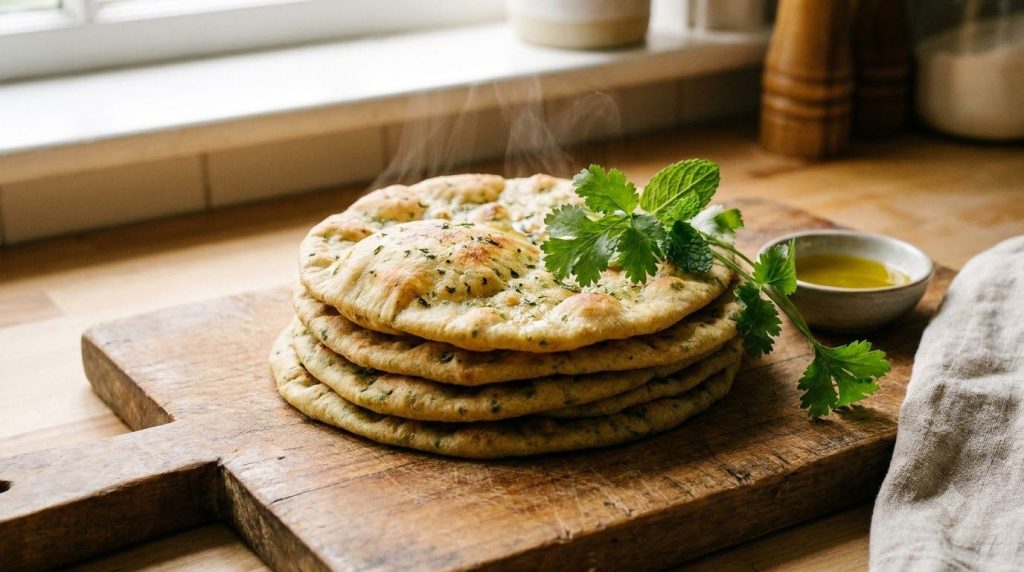
- Cooked Flatbreads: Store cooled flatbreads in an airtight container at room temperature for up to 2 days, or in the refrigerator for up to 4 days.
- Freezing: For longer storage, cooked and cooled flatbreads can be frozen. Place parchment paper between each flatbread to prevent sticking, then store in a freezer-safe bag for up to 2-3 months. Reheat in a skillet or microwave.
- Moringa Powder: Keep in a cool, dark place in an airtight container to maintain potency and color.
Practical Tips
- Adjust Water Slowly: Flour absorption varies. Add water gradually until the dough is soft and pliable, but not sticky.
- Resting Time is Key: Don’t skip the dough resting step; it makes rolling much easier.
- Thin is In: Roll the flatbreads as thin as possible for quicker cooking and a better texture.
- Use a Hot Skillet: A properly heated skillet ensures even cooking and that characteristic puff.
- Experiment with Flavors: Try adding finely minced garlic, onion powder, or a pinch of chili flakes to the dough for different flavor profiles.
Common Mistakes
Avoid these pitfalls for perfect moringa flatbreads every time:
- Too Much Flour: Adding too much flour during kneading or rolling can make the flatbreads tough and dry.
- Not Enough Water: A dry dough will be hard to roll and result in crumbly flatbreads.
- Skipping the Rest: Rolling dough that hasn’t rested will be difficult and cause it to spring back.
- Cold Skillet: Cooking on a cold or not-hot-enough skillet leads to dry, hard flatbreads instead of soft, puffed ones.
- Overcrowding the Pan: Cook one flatbread at a time to maintain consistent heat and ensure even cooking.
Cautions / Who Should Avoid It
While moringa is generally safe for most people, some considerations apply:
- Pregnancy and Breastfeeding: Consult a healthcare professional before consuming moringa, especially moringa root or bark, during pregnancy or breastfeeding. While leaves are generally considered safe, high concentrations of extracts may have effects.
- Medication Interactions: Moringa may interact with certain medications, including blood thinners (due to Vitamin K content) and blood sugar-lowering drugs. If you are on medication, speak to your doctor.
- Individual Sensitivity: Some individuals might experience digestive upset when first introducing moringa. Start with small amounts.
Continue with: DIY Herbal Tea Blends for Wellness
Quick Summary
Moringa leaf flatbreads are a simple, nutritious way to incorporate this superfood into your diet. Made with flour, water, and moringa leaves or powder, they are easy to prepare and highly versatile. Cook them on a hot skillet until golden and enjoy as wraps, sides, or snacks. Store cooled flatbreads in an airtight container for a few days, or freeze for longer. Always choose fresh, vibrant leaves or quality moringa powder, and be mindful of dough consistency for the best results.
FAQ
- Can I use whole wheat flour instead of all-purpose?
Yes, whole wheat flour works well and adds a nuttier flavor and more fiber. You might need a tiny bit more water to achieve the right dough consistency. - How long does the dough need to rest?
At least 20-30 minutes is ideal for the gluten to relax, making the dough easier to roll thinly. - Can I make the dough ahead of time?
Yes, you can prepare the dough and store it in an airtight container in the refrigerator for up to 24 hours. Let it come to room temperature before rolling. - My flatbreads aren’t puffing up. What’s wrong?
This often happens if the skillet isn’t hot enough, or if the dough is too thick or too dry. Ensure your pan is hot, roll the dough thinly, and make sure the dough is soft and pliable. - What if I don’t have fresh moringa?
Moringa leaf powder is an excellent substitute and is widely available. Use 2-3 tablespoons of powder for every 1/2 cup of fresh leaves. - Can I add other ingredients to the flatbreads?
Absolutely! Finely minced onions, garlic, green chilies, or other herbs like cilantro can be added to the dough for extra flavor. - Are these flatbreads gluten-free?
No, this recipe uses all-purpose or whole wheat flour, which contains gluten. For a gluten-free version, you would need to experiment with gluten-free flour blends and binders.
Conclusion
Embrace the unexpected culinary delights hidden within the tropical moringa tree. These easy-to-make moringa leaf flatbreads are not just a novel way to eat healthy; they’re a delicious, versatile addition to any kitchen. With a few simple ingredients and steps, you can create a vibrant, nutrient-rich bread that will impress your taste buds and boost your wellness journey. Enjoy the simple pleasure of transforming nature’s bounty into a wholesome meal.
Related remedy: How to Brew the Perfect Moringa Tea
