When you hear “glutes,” you might immediately think of aesthetics. While strong glutes can certainly contribute to a more sculpted physique, their importance extends far beyond just looks! Your glutes — a powerhouse group of muscles comprising the gluteus maximus, medius, and minimus — play a crucial role in almost every movement you make, from walking and running to jumping and lifting. Building and maintaining strong glutes is fundamental for overall strength, athletic performance, and even preventing injuries.
This comprehensive guide will walk you through the “why” and “how” of effective glute training, helping you understand how to activate these vital muscles for better function and noticeable results. Let’s dive in!
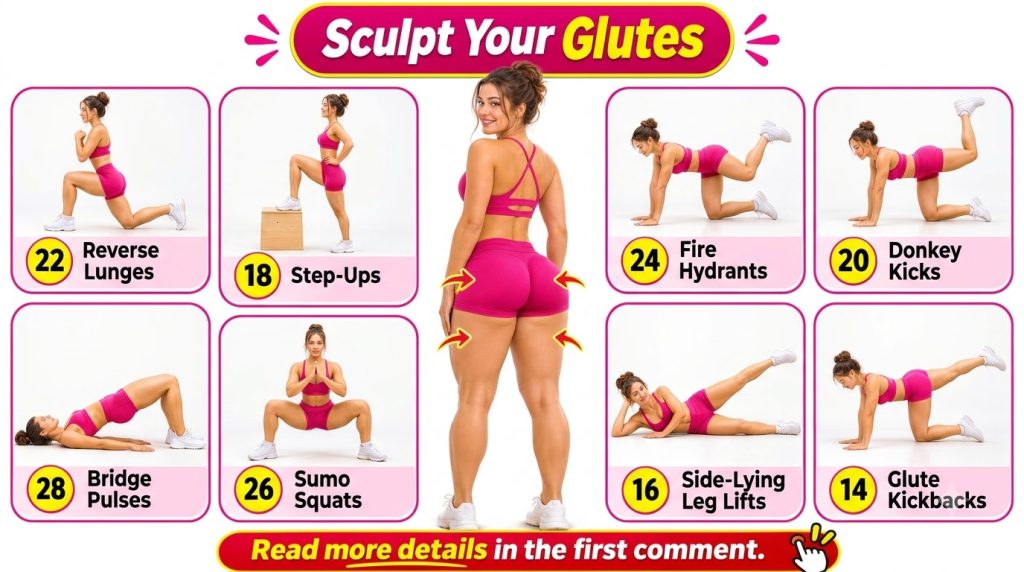
Why Strong Glutes Matter (Beyond Aesthetics)
Beyond simply filling out your favorite pair of jeans, well-developed glute muscles offer a multitude of health and functional benefits:
- Improved Athletic Performance: Strong glutes are essential for power in sports. They drive movements like sprinting, jumping, and changing direction, making you faster and more agile.
- Reduced Risk of Injury: Weak glutes can lead to compensation by other muscles, often resulting in strain on the lower back, knees, and ankles. Strengthening your glutes helps stabilize your pelvis and hips, which may help support injury prevention.
- Better Posture: Glutes work with your core muscles to stabilize your spine. Strong glutes can help correct anterior pelvic tilt (a common posture issue where the pelvis tilts forward), leading to better alignment and reduced lower back pain.
- Enhanced Everyday Movement: Simple tasks like walking upstairs, getting up from a chair, or carrying groceries become easier and more efficient with powerful glutes.
- Increased Metabolism: Glutes are one of the largest muscle groups in your body. Building more muscle mass, especially in large groups, can help increase your resting metabolic rate, meaning you burn more calories even at rest.
Understanding Your Glute Muscles
To effectively train your glutes, it’s helpful to know what you’re targeting:
- Gluteus Maximus: The largest and most superficial of the gluteal muscles, responsible for hip extension (e.g., driving your leg backward) and external rotation. It gives the buttocks their rounded shape.
- Gluteus Medius: Located on the outer surface of the pelvis, primarily responsible for hip abduction (moving your leg out to the side) and stabilizing the pelvis during walking and running.
- Gluteus Minimus: The smallest and deepest of the gluteal muscles, assisting the gluteus medius in hip abduction and stabilization.
Essential Glute Exercises for a Balanced Workout
To ensure you’re hitting all three glute muscles effectively, incorporate a variety of exercises that target different movements. Focus on controlled movements and truly “feeling” the muscle work — this mind-muscle connection is vital for results.
1. Squats (Compound Exercise)
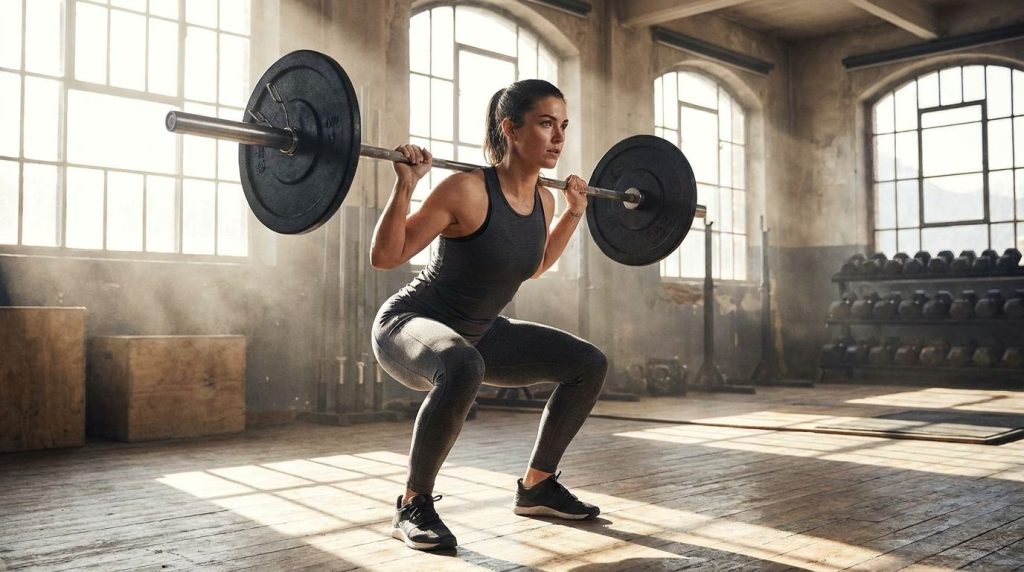
Squats are a foundational exercise that works your gluteus maximus along with your quads and hamstrings. They’re excellent for building overall lower body strength.
- How to Perform: Stand with feet shoulder-width apart, toes slightly out. Keeping your chest up and back straight, push your hips back as if sitting in a chair, lowering until your thighs are parallel to the floor (or as deep as comfortable). Push through your heels to return to the starting position.
2. Glute Bridges (Isolation Exercise)
This exercise is fantastic for isolating and activating the gluteus maximus without putting stress on the lower back, making it great for warm-ups or cool-downs.
- How to Perform: Lie on your back with knees bent, feet flat on the floor hip-width apart, and heels close to your glutes. Drive through your heels, lifting your hips off the floor until your body forms a straight line from your shoulders to your knees. Squeeze your glutes at the top. Slowly lower back down.
3. Lunges (Unilateral Exercise)
Lunges work one leg at a time, helping to correct muscle imbalances and challenge your gluteus maximus and medius for stability.
- How to Perform: Stand with feet hip-width apart. Step forward with one leg, lowering your hips until both knees are bent at approximately a 90-degree angle. Ensure your front knee is directly over your ankle and your back knee hovers just above the floor. Push off your front foot to return to the starting position. Alternate legs.
4. Clamshells (Abduction/Stability)
Excellent for targeting the gluteus medius and minimus, helping with hip stability and strength.
- How to Perform: Lie on your side with knees bent at a 90-degree angle, one leg stacked directly on top of the other, and your head supported. Keep your feet together and slowly lift your top knee towards the ceiling, rotating your hip. Avoid rocking your torso. Slowly lower your knee back down.
Designing Your Glute Workout
When planning your glute training, consider these principles for optimal results:
- Consistency is Key: Aim for 2-3 glute-focused workouts per week, allowing for rest days in between.
- Progressive Overload: To keep making gains, you need to continually challenge your muscles. This could mean increasing the weight, reps, sets, or decreasing rest time over time.
- Proper Form Over Weight: Always prioritize correct technique. Using too much weight with poor form can lead to injury and less effective muscle activation.
- Warm-Up and Cool-Down: Start with 5-10 minutes of light cardio and dynamic stretches. Finish with static stretches to improve flexibility.
Tips for Maximizing Glute Activation
- Mind-Muscle Connection: During each exercise, consciously think about squeezing your glutes. This focus can significantly improve muscle recruitment.
- Use Resistance Bands: Mini-bands can be a fantastic tool to add external resistance, especially during exercises like squats, glute bridges, and clamshells, to increase glute activation.
- Vary Your Angles: Incorporate exercises that work your glutes from different directions (e.g., hip thrusts, cable kickbacks, lateral walks) to target all muscle fibers.
Building strong, functional glutes is a journey that requires dedication and patience. Remember, consistency is key for real, lasting results. Celebrate your progress, listen to your body, and enjoy the benefits of a stronger, more capable posterior chain!
Disclaimer: This article is for informational purposes only and is not intended to be a substitute for professional medical advice, diagnosis, or treatment. Always seek the advice of your physician or other qualified health provider with any questions you may have regarding a medical condition.