Eggs are a true kitchen staple, celebrated for their versatility and impressive nutritional profile. From a quick scramble to a perfectly poached delight, there’s an egg dish for every taste and occasion. But have you ever stopped to consider how your cooking method might impact the nutritional value and digestibility of this breakfast favorite?
This article will crack open the secrets of different egg preparations, comparing raw, soft-boiled, medium-cooked, and hard-boiled/fried eggs. You’ll discover the unique benefits of each, learn about their nutritional perks, and find the perfect cooking technique to suit your needs and health goals. Get ready to elevate your egg game!
The Incredible Egg: A Nutritional Powerhouse
Before we dive into cooking methods, let’s appreciate why eggs are so often called nature’s multivitamin. They are packed with high-quality protein, essential vitamins, and vital minerals, making them a fantastic addition to almost any diet.
- High-Quality Protein: Eggs provide all nine essential amino acids, crucial for muscle repair, growth, and overall body function.
- Vitamins Galore: Rich in Vitamin D (important for bone health and immunity), Vitamin B12 (for nerve function and energy), Vitamin A (for vision), and Vitamin E (an antioxidant).
- Mineral-Rich: Eggs contain selenium, phosphorus, iron, and zinc, all playing key roles in various bodily processes.
- Choline: An often-overlooked nutrient vital for brain health, metabolism, and liver function.
How Cooking Changes Egg Nutrition and Digestion
While eggs are inherently nutritious, how you prepare them can subtly alter their nutrient availability and how easily your body processes them. Let’s explore the nuances of different cooking styles.
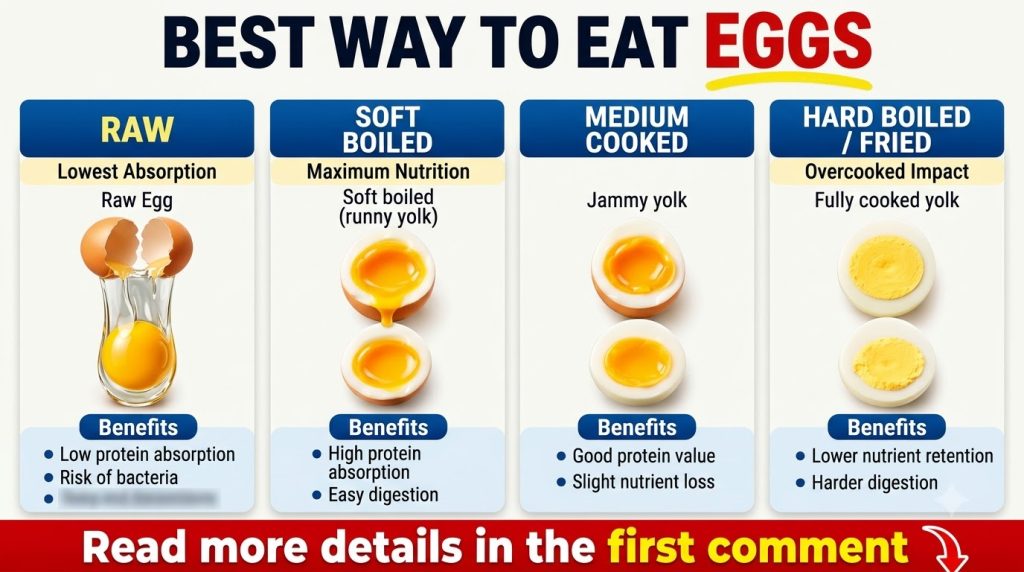
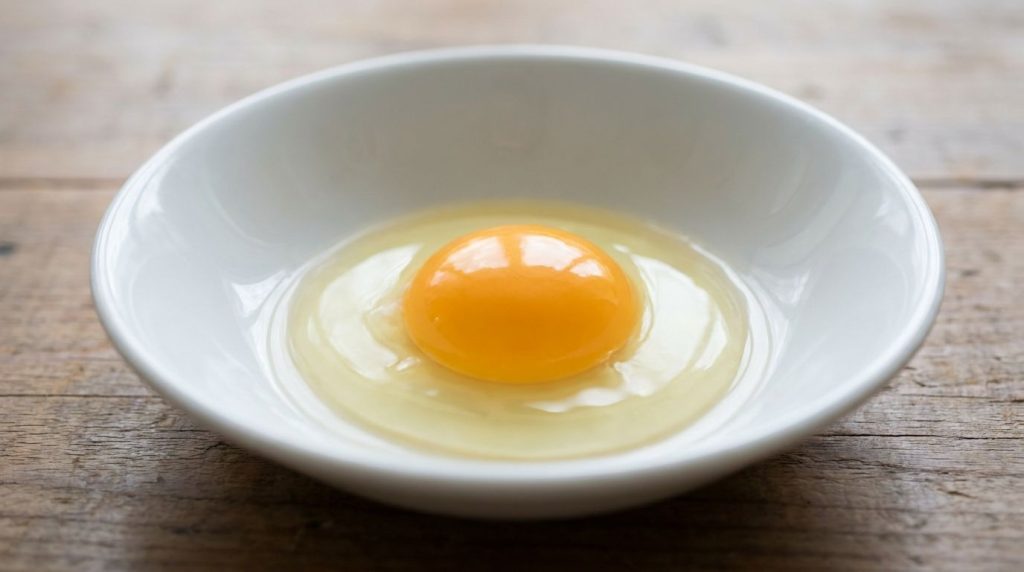
Raw Eggs: Max Nutrients, But Risks?
Some believe raw eggs offer the most nutrients, as heat can degrade certain heat-sensitive vitamins. It’s true that raw eggs retain more biotin (a B vitamin) and some antioxidants. However, there are significant downsides to consider.
- Biotin Absorption: Raw egg whites contain avidin, a protein that can bind to biotin, making it less available for absorption. Cooking denatures avidin, allowing better biotin uptake.
- Protein Digestibility: Research suggests that the protein in cooked eggs is more digestible than in raw eggs. Your body may absorb 50-90% of raw egg protein, compared to almost 90-95% from cooked eggs.
- Salmonella Risk: The most significant concern with raw eggs is the risk of salmonella contamination, which can cause food poisoning.
Soft-Boiled & Medium-Cooked Eggs: Easy Digestion & Nutrient Absorption
These methods involve gentle heat, resulting in a runny or creamy yolk and tender whites. They strike a great balance between nutrient preservation and digestibility.
- Improved Protein Digestibility: The gentle cooking helps to denature proteins, making them easier for your body to break down and absorb.
- Nutrient Preservation: Many vitamins and antioxidants, especially those in the yolk, remain largely intact due to the lower heat and shorter cooking time compared to harder-cooked methods.
- Texture and Taste: The creamy yolk is often preferred for its rich flavor and texture, making these eggs a delightful addition to toast or salads.
Hard-Boiled & Fried Eggs: Versatile & Filling
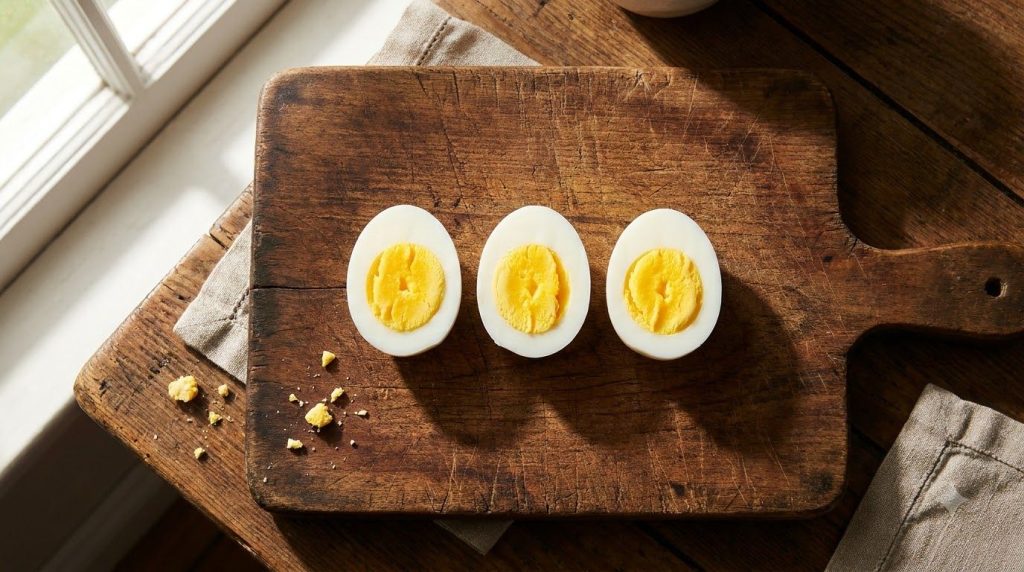
When eggs are cooked until the whites are firm and the yolks are solid, as in hard-boiling, scrambling, or frying, their texture and applications change considerably.
- Safety: These methods virtually eliminate the risk of salmonella, making them very safe to consume.
- Convenience & Versatility: Hard-boiled eggs are excellent for meal prep, salads, or quick snacks. Fried or scrambled eggs are breakfast classics.
- Nutrient Changes: While some delicate nutrients might be slightly reduced compared to raw or soft-cooked eggs due to higher heat and longer exposure, the overall nutritional profile remains excellent. Frying can add extra calories and fat depending on the oil used.
Comparing Egg Cooking Methods: A Quick Look
Here’s a simplified comparison of how different cooking styles influence key aspects:
| Cooking Method | Protein Digestibility | Biotin Availability | Salmonella Risk | Calorie Impact | Texture |
|---|---|---|---|---|---|
| Raw | Lower | Lower (due to avidin) | Highest | Base Egg | Liquid |
| Soft-Boiled/Medium | High | High | Low | Base Egg | Runny/Creamy Yolk |
| Hard-Boiled | High | High | Very Low | Base Egg | Firm Yolk/White |
| Fried | High | High | Very Low | Base Egg + Oil | Crispy Edges, Firm/Runny Yolk |
Choosing the Best Egg for Your Needs
- For Maximum Nutrient Absorption & Safety: Opt for soft-boiled or medium-cooked eggs. They offer excellent digestibility and nutrient retention with minimal risk.
- For Convenience & Meal Prep: Hard-boiled eggs are your go-to. They’re portable, easy to add to salads, or enjoy as a standalone snack.
- For Flavor & Versatility: Fried or scrambled eggs are fantastic for breakfast or light meals, just be mindful of the type and amount of cooking oil you use.
- For Specific Health Goals: If you’re managing weight, be aware that frying adds extra calories. If you’re a bodybuilder seeking maximum protein, cooked eggs are more efficiently utilized than raw.
Practical Tips for Enjoying Eggs Safely
- Always Choose Fresh Eggs: Look for eggs with intact shells and check the expiration date.
- Refrigerate Properly: Store eggs in their original carton in the coldest part of your refrigerator to maintain freshness and prevent odor absorption.
- Cook Thoroughly: If you’re concerned about salmonella, ensure eggs are cooked until the whites and yolks are firm.
- Use Healthy Fats: When frying, opt for healthier oils like olive oil, avocado oil, or coconut oil in moderation.
- Wash Hands: Always wash your hands thoroughly after handling raw eggs to prevent cross-contamination.
FAQs About Egg Cooking Methods
Are raw eggs truly more nutritious?
While raw eggs might retain a few heat-sensitive nutrients slightly better, cooking significantly improves protein digestibility and biotin absorption. The risk of salmonella also makes raw egg consumption generally not recommended.
What’s the healthiest way to cook an egg?
Boiling (soft or hard) or poaching eggs are often considered the healthiest methods because they require no added fat. These methods also ensure good protein digestibility and safety.
Do scrambled eggs lose more nutrients than boiled eggs?
The nutritional difference between scrambled and boiled eggs is usually minor. The main difference comes from added ingredients like butter, milk, or cheese in scrambled eggs, which can increase calorie and fat content.
Can I eat eggs every day?
For most healthy individuals, eating eggs daily is perfectly fine and can be part of a balanced diet. Current dietary guidelines have relaxed previous restrictions on dietary cholesterol from eggs for healthy people.
How long should I soft-boil an egg?
For a perfect soft-boiled egg, bring water to a rolling boil, gently lower the egg in, and cook for about 5-7 minutes. Adjust based on your preferred yolk consistency and egg size.
What is the difference between a medium-cooked and hard-boiled egg?
A medium-cooked egg has a partially set, creamy yolk, while a hard-boiled egg has a completely firm, solid yolk. The cooking time is the primary difference, with hard-boiled eggs cooking longer.
Conclusion
Eggs are a marvel of nutrition, offering a wealth of benefits no matter how you prepare them. Understanding the subtle differences in cooking methods allows you to make informed choices that align with your health goals and taste preferences. Whether you prefer the creamy texture of a soft-boiled yolk or the convenience of a hard-boiled snack, you can feel confident that you’re fueling your body with a truly wholesome food.
Ready to try a new egg recipe? Explore more of our healthy food content for delicious and nutritious ideas!
This content is for educational purposes only and should not be considered medical advice. Consult a qualified healthcare professional for personalized dietary recommendations.