Most people walk right past them, dismissing them as common foliage. Yet, some of the most potent natural remedies aren’t found in exotic imports or complex formulations, but in the humble leaves often overlooked in our own backyards or local markets. What if the answer to stubborn wellness challenges was as simple as a forgotten leaf?
This isn’t about some obscure plant found only in remote jungles. It’s about recognizing the quiet power in readily available leaves that have been sidelined by modern solutions. When traditional methods fall short, turning to nature’s hidden power can reveal a new path to well-being.
What It Is: The Power of Overlooked Leaves
For centuries, various cultures have relied on specific plant leaves for their healing properties. These ‘forgotten leaves’ often contain a rich array of compounds like antioxidants, anti-inflammatory agents, and soothing properties that can support everything from digestive health to skin vitality. We’re talking about simple, non-toxic leaves that, when prepared correctly, can offer a surprisingly effective solution.
Our focus here isn’t on a single, secret leaf, but on the *method* of harnessing these often-ignored botanical treasures. Think of leaves from common plants known for their gentle, supportive effects – not rare or exotic species, but those that have simply fallen out of common use in favor of more commercial options.
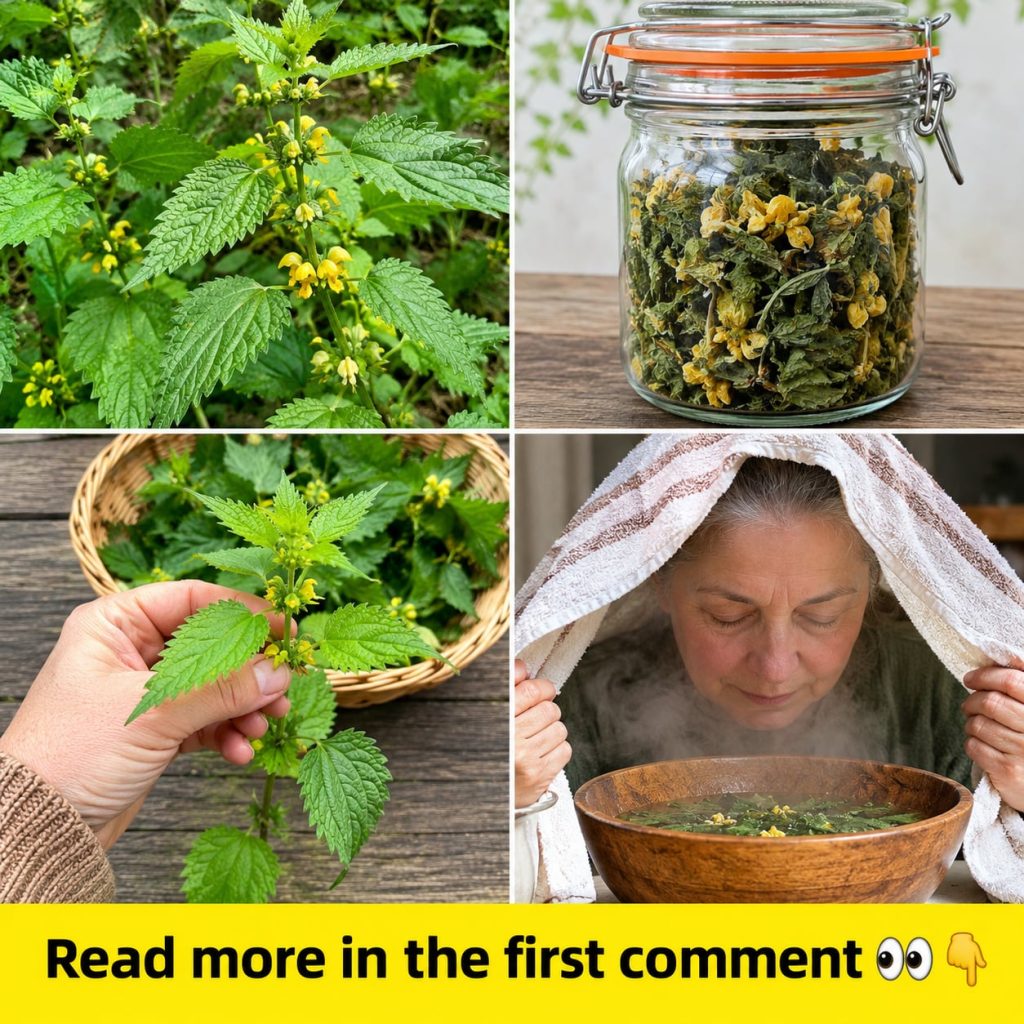
Ingredients for a Basic Leaf Infusion
The beauty of a leaf-based remedy lies in its simplicity. For a foundational infusion, you’ll need:
- Fresh or Dried Leaves: Choose non-toxic leaves known for general wellness properties. Examples might include certain mint varieties, raspberry leaves, or even specific common garden leaves known to be safe for consumption. (Always verify identification and safety.)
- Filtered Water: Essential for a pure infusion.
- Optional Additions: A slice of lemon, a spoon of honey, or a pinch of ginger for flavor and added benefits.
Approximate Measurements
These measurements are for a single serving of a basic leaf infusion:
- Fresh Leaves: 1-2 tablespoons, loosely packed.
- Dried Leaves: 1 teaspoon.
- Filtered Water: 8-10 ounces (about 1 cup).
- Optional Additions: To taste.
Formula / Recipe: Simple Leaf Infusion
This basic recipe can be adapted for various non-toxic leaves to create a soothing and beneficial drink.
The Daily Leaf Infusion
Step-by-Step Method
- Gather Your Leaves: If using fresh leaves, rinse them thoroughly under cool, running water to remove any dirt or debris. Gently pat them dry. If using dried leaves, measure them out.
- Prepare the Water: Bring your filtered water to a rolling boil.
- Combine: Place the fresh or dried leaves in a mug or a heat-safe pitcher. Pour the hot water over the leaves.
- Steep: Cover your mug or pitcher to trap the beneficial volatile oils. Let the leaves steep for 5-10 minutes. For a stronger infusion, steep longer, but be mindful that some leaves can become bitter with over-steeping.
- Strain: Using a fine-mesh strainer, remove the leaves from the liquid.
- Serve: Enjoy your infusion warm. Add optional honey, lemon, or ginger if desired.
How to Use Your Leaf Infusion
This infusion is best enjoyed as a warm beverage. It can be a soothing drink before bed, a refreshing pick-me-up in the afternoon, or a gentle way to start your day. Depending on the properties of the specific leaf you choose, it can help calm digestive upset, provide a dose of antioxidants, or simply offer a moment of natural tranquility.
How Often to Use
For general wellness, one to two cups daily is usually sufficient. Listen to your body and adjust as needed. If you’re introducing a new leaf, start with a smaller amount and observe how you feel.
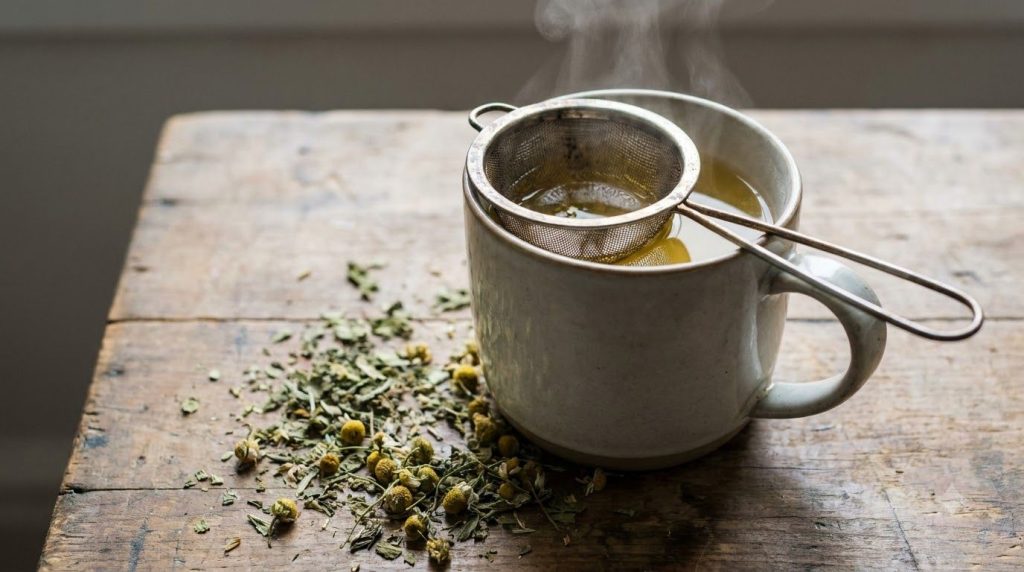
How to Choose & Source Your Forgotten Leaves
This is arguably the most critical step. If foraging, always exercise extreme caution:
- Positive Identification: Never consume a leaf unless you are 100% certain of its identity and know it is non-toxic. Use reliable field guides or consult with experienced herbalists.
- Clean Source: Harvest from areas free of pesticides, herbicides, and pollution (e.g., away from roadsides).
- Peak Potency: Leaves are often best harvested in the morning after the dew has dried, before the full heat of the day.
- Sustainable Harvesting: Only take a small portion from each plant to ensure its continued growth.
If buying, look for organic, ethically sourced dried leaves from reputable herbal suppliers.
Quick Tip: Fresh vs. Dried
Knowing whether to use fresh or dried leaves can make a big difference in your remedy’s potency and flavor.
| Feature | Fresh Leaves | Dried Leaves |
|---|---|---|
| Potency | Often higher in volatile oils; vibrant flavor | Concentrated; longer shelf-life |
| Availability | Seasonal; requires foraging/growing | Year-round; easily purchased |
| Preparation | Requires thorough rinsing; use more quantity | Ready to use; use less quantity |
| Storage | Short shelf-life (few days refrigerated) | Long shelf-life (1-2 years in airtight container) |
Storage
Fresh Leaves: Store loosely wrapped in a damp paper towel in a breathable bag in the refrigerator for up to 3-5 days. Do not wash until just before use.
Dried Leaves: Keep in an airtight container, away from direct sunlight, heat, and moisture. They can retain potency for 1-2 years.
Prepared Infusion: Consume immediately for best results. Leftovers can be stored in the refrigerator for up to 24 hours, but fresh is always best.
Practical Tips
- Start Small: When trying a new leaf, begin with a weaker infusion and smaller quantities to gauge your body’s reaction.
- Use Quality Water: Filtered water truly makes a difference in the taste and purity of your remedy.
- Cover While Steeping: This prevents beneficial volatile compounds from escaping with the steam.
- Experiment Safely: Once you’re comfortable with a known leaf, you can try combining it with other safe herbs for synergistic effects.
Common Mistakes to Avoid
- Misidentification: The most dangerous mistake. Never guess. When in doubt, throw it out.
- Using Sprayed Plants: Foraging from areas treated with chemicals will introduce toxins into your remedy.
- Boiling Leaves: Pouring boiling water over leaves is fine, but continuously boiling the leaves themselves can destroy delicate compounds and make the infusion bitter.
- Over-steeping: Can lead to a bitter taste and sometimes extract undesirable compounds.
- Improper Storage: Leads to mold growth or loss of potency.
Cautions / Who Should Avoid It
While many common leaves are generally safe, it’s crucial to exercise caution:
- Pregnancy and Breastfeeding: Always consult a healthcare professional before consuming any herbal remedy.
- Medication Interactions: Some plants can interact with prescription medications.
- Allergies: If you have known plant allergies, introduce new remedies with extreme care.
- Pre-existing Conditions: Individuals with underlying health issues should seek medical advice.
- Children: Use extreme caution and consult a pediatrician before giving herbal remedies to children.
Quick Summary: Harnessing Leaf Power
- Best Preparation: Simple hot water infusion.
- Best Use-Case: Daily wellness support, soothing discomfort, antioxidant boost.
- Storage: Fresh leaves refrigerated short-term; dried leaves airtight, cool, dark; infusions consumed immediately.
- When to Use: Morning, afternoon, or evening, depending on desired effect.
- What to Avoid: Misidentification, chemically treated plants, over-boiling.
You may also like: See the full guide on crafting your own herbal teas at home.
FAQ
- Can I use any leaf I find? Absolutely not. Only use leaves you can positively identify as non-toxic and safe for consumption.
- How long does the fresh infusion last? Best consumed immediately. Can be refrigerated for up to 24 hours, but potency diminishes.
- Can I refrigerate unused fresh leaves? Yes, loosely wrapped in a damp paper towel in a breathable bag in the fridge for 3-5 days.
- What’s the difference between an infusion and a decoction? An infusion is made by steeping leaves in hot water; a decoction involves simmering tougher plant parts (like roots or bark) for longer.
- Can I reuse the leaves for another cup? Generally, no. Most of the beneficial compounds are extracted in the first steep.
- When should I avoid this remedy? If you are pregnant, breastfeeding, on medication, have allergies, or an underlying health condition, consult a doctor first.
- Is it better to use fresh or dried leaves? Both have benefits. Fresh can be more vibrant in flavor; dried are more concentrated and convenient. See the comparison table above.
Related remedy: Learn how to make a soothing herbal compress for topical relief.
Conclusion
The secret to many natural remedies isn’t always about discovering something new, but rediscovering what has been forgotten. By carefully identifying and preparing common, beneficial leaves, you can tap into a powerful, accessible source of wellness. Embrace the simplicity and efficacy of these overlooked botanical allies, and you might just find the answer you’ve been searching for.
