There’s nothing quite like plucking a perfectly ripe, juicy tomato from your own garden. For many gardeners, growing magnificent tomatoes is the ultimate reward. But sometimes, despite our best efforts, our tomato plants might struggle, leaving us with fewer fruits or problems like blossom end rot. The secret to a bountiful harvest often lies in proper nutrition, and you don’t always need fancy store-bought solutions. Today, we’re diving into the wonderful world of DIY fertilizers, with a special spotlight on a common kitchen scrap: eggshells!
Why Tomatoes Love Eggshells: The Power of Calcium
Tomatoes are heavy feeders, and one of the most crucial nutrients they need is calcium. Calcium plays a vital role in the structural integrity of plant cells, helping to build strong cell walls. Without enough calcium, tomato plants can suffer from a common and heartbreaking issue called blossom end rot, where the bottom of the fruit turns dark, soft, and rotten. This is where eggshells come to the rescue!
- Rich in Calcium: Eggshells are almost entirely made of calcium carbonate, an excellent source of this essential nutrient for your plants.
- Slow-Release Nutrient: When incorporated into the soil, eggshells break down slowly over time, providing a steady supply of calcium exactly when your tomatoes need it.
- Eco-Friendly & Free: Repurposing eggshells reduces kitchen waste and provides a free, organic fertilizer, aligning perfectly with sustainable gardening practices.
How to Make Your Own Eggshell Fertilizer
Making eggshell fertilizer is incredibly simple and requires very little effort. Here’s your step-by-step guide:
Step 1: Collect and Clean Your Eggshells
Start saving those eggshells! After you use eggs, rinse the shells thoroughly under running water to remove any egg residue. This prevents odors and pests when storing them. You can collect them in a bowl or a bag.
Step 2: Dry the Eggshells
It’s important to dry your eggshells completely before crushing. You can do this by:
- Spreading them out on a baking sheet and letting them air dry for a day or two.
- Baking them in the oven at a low temperature (around 200°F or 90°C) for 10-15 minutes. This also helps sterilize them and makes them easier to crush.
Step 3: Crush the Eggshells
Once dry, it’s time to crush them into a fine powder. The finer the powder, the quicker the calcium will become available to your plants. You can use:
- A mortar and pestle.
- A coffee grinder (dedicate one for garden use!).
- A blender (again, maybe a designated one).
- Placing them in a sturdy bag and crushing them with a rolling pin or hammer.

When and How to Apply Eggshell Fertilizer
Knowing when and how to apply your homemade calcium boost is key to its effectiveness:
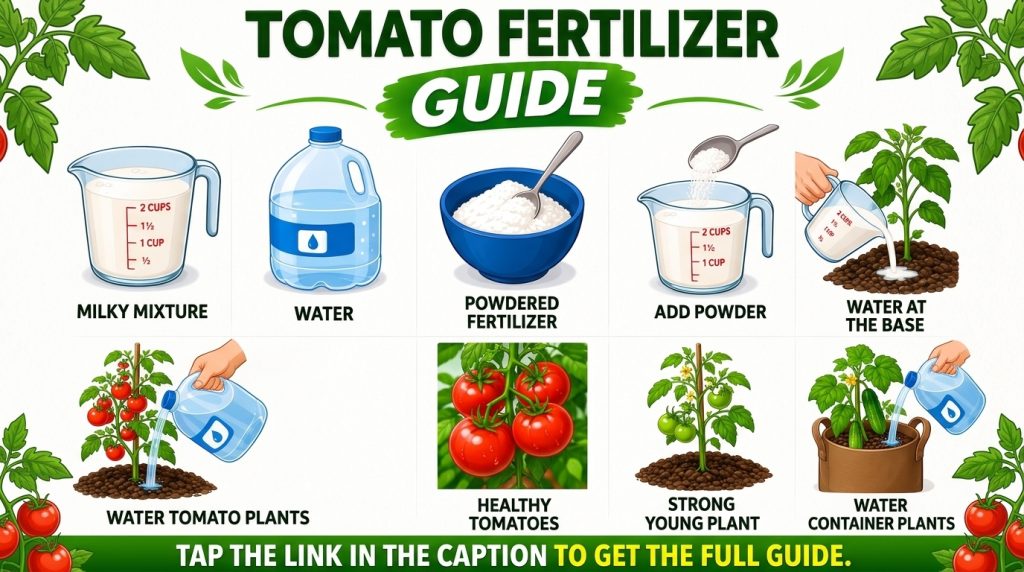
- Before Planting: Mix about 1-2 tablespoons of crushed eggshell powder into the soil at the bottom of each planting hole before placing your tomato seedling. This gives the roots direct access to the calcium as soon as they start growing.
- During Growth: Once your tomato plants are established, you can sprinkle a thin layer of eggshell powder around the base of each plant, gently scratching it into the topsoil. Do this once a month or every six weeks.
- Eggshell Tea: For a more immediate calcium boost, you can make eggshell tea. Boil about 10-12 crushed eggshells in a gallon of water for 5 minutes, then let it steep overnight. Strain the liquid and use it to water your tomato plants. This is especially helpful if you see early signs of blossom end rot.
Beyond Eggshells: Other DIY Tomato Boosters
While eggshells are fantastic, your garden can benefit from other natural ingredients too:
- Coffee Grounds: Add spent coffee grounds to the soil for a nitrogen boost and to slightly acidify the soil, which tomatoes often appreciate.
- Compost Tea: A liquid fertilizer made by steeping compost in water, offering a rich blend of nutrients and beneficial microbes.
- Epsom Salts: Rich in magnesium, Epsom salts can help tomato plants absorb other nutrients more efficiently and promote lush, green foliage. Apply sparingly!
General Tips for Thriving Tomato Plants
Even with the best fertilizers, a healthy tomato plant needs good basic care:
- Sunlight: Tomatoes need at least 6-8 hours of direct sunlight per day.
- Watering: Consistent watering is crucial. Keep the soil evenly moist, especially when fruits are developing. Avoid overhead watering to prevent fungal diseases.
- Good Soil: Plant in well-draining, nutrient-rich soil. Amend with compost for best results.
- Staking or Caging: Support your plants as they grow to prevent breakage and keep fruits off the ground.
- Pruning: Remove suckers (the small shoots that grow in the ‘V’ between the main stem and a leaf branch) to direct the plant’s energy into fruit production.
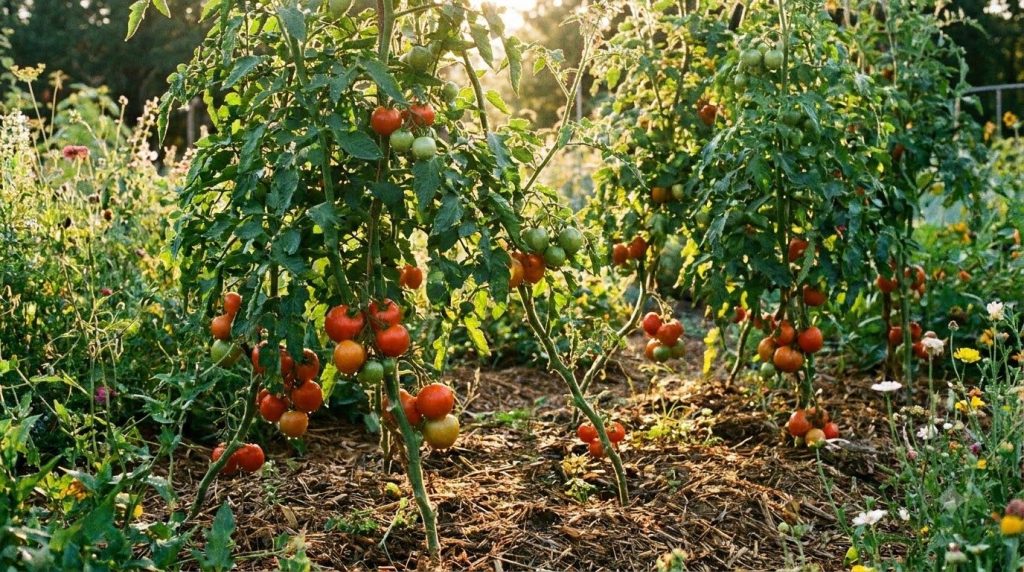
Enjoy Your Bountiful Harvest!
By incorporating DIY eggshell fertilizer into your gardening routine, you’re not just providing essential nutrients; you’re also embracing sustainable practices and making the most of your kitchen waste. Get ready to enjoy the most flavorful, healthy tomatoes you’ve ever grown right from your own backyard!
Do you have any other secret tips for growing amazing tomatoes? Share your wisdom in the comments below – we’d love to hear from you!