Many of us notice the first silver strands and wish we could bring back the rich, natural depth our hair once had. Homemade hair oils have been passed down through families for generations, and one popular option is a dark, herb-infused oil often called “Black Oil.” Here is a practical look at what it is, how it is typically made, and what realistic expectations look like.
What Is Homemade Black Oil?
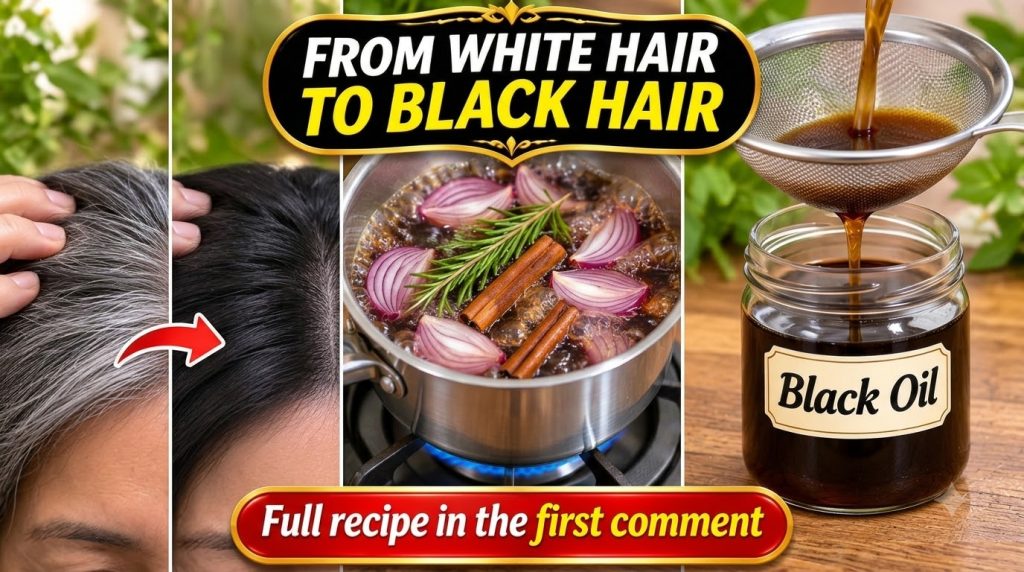
Black Oil is a traditional style of herbal hair oil. It is made by slowly simmering aromatic ingredients such as onion, curry leaves, and peppercorns in a carrier oil until the mixture darkens. Many versions also include rosemary or cinnamon for their pleasant scent. The goal is a nourishing oil that you gently massage into your scalp and hair as part of your regular routine.
Common Ingredients
- A neutral carrier oil such as coconut oil or sesame oil
- Fresh onion, thinly sliced
- Fresh or dried curry leaves
- Whole black peppercorns
- Optional herbs such as rosemary or a cinnamon stick
Simple Method for Making It at Home
- Gently warm the carrier oil in a heavy pan over low heat.
- Add the sliced onion, curry leaves, peppercorns, and any optional herbs.
- Simmer slowly, stirring now and then, until the onion turns crisp and the oil takes on a deep color. This can take a long time, so be patient.
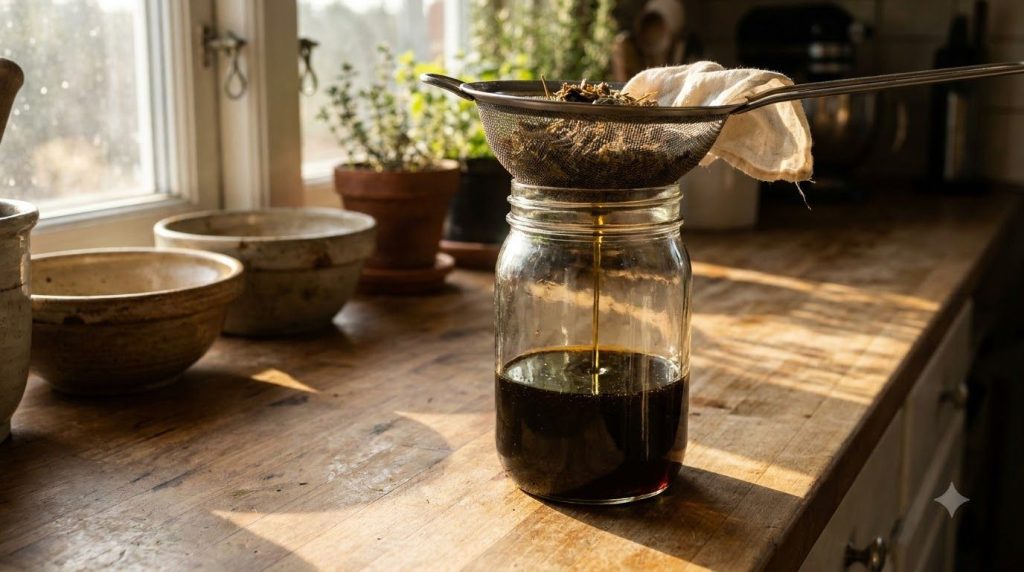
- Let the oil cool completely, then strain it through a fine sieve or clean cloth into a dry glass jar.
- Store the jar in a cool, dark place and label it with the date.
Setting Realistic Expectations
Hair color is shaped by genetics, age, and overall health, so no homemade oil can guarantee that gray or white hair will return to its original shade. Think of this as a nourishing ritual that supports scalp comfort and the overall look and feel of your hair. Consistency matters more than intensity, and any visible change usually takes weeks or months of regular use.
How to Use It Safely
- Do a patch test on a small area of skin first, especially if you have sensitive skin or known allergies to onion or spices.
- Warm a small amount of oil slightly, then massage it into your scalp for about 10 minutes.
- Leave it on for at least an hour, or overnight if it feels comfortable.
- Wash your hair with a gentle shampoo and repeat one to two times a week.
Discard the oil if it develops an off smell, mold, or a change in texture. If you notice sudden hair loss, itching, redness, or other scalp concerns, speak with a dermatologist or healthcare professional before continuing.
Tips for Getting the Most from Your Routine
- Take a photo in the same lighting every few weeks so you can track real changes over time.
- Support your hair from the inside with a balanced diet rich in protein, iron, and healthy fats.
- Limit heat styling and protect your hair from harsh sun and chlorine.
Final Thoughts
Caring for your hair naturally can be a relaxing and rewarding habit. Start with a small batch, take notes on how your hair feels, and enjoy the process of looking after yourself. Have you tried a homemade hair oil before? Share your experience in the comments below!