Most people toss the silky strands out with the husk the moment they shuck a cob. Yet those fine threads are the part many home herbalists save, dry, and steep into a mild tea. Here is how to do it properly, what to avoid, and how to store it so it stays useful.
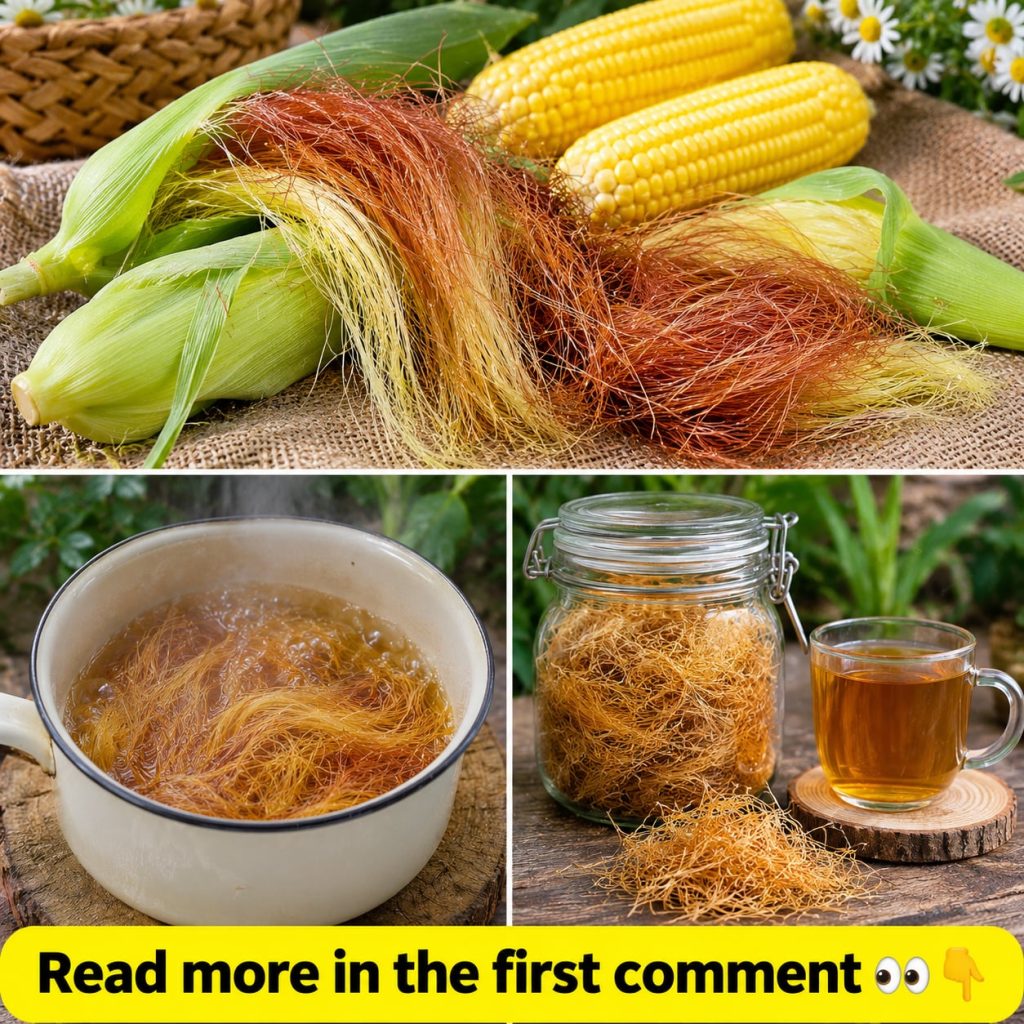
What Corn Silk Is
Corn silk is the thread-like stigma of the corn flower. Each strand connects to a single kernel. It appears on fresh cobs in late summer and turns brown and dry as the ear matures. In traditional home preparations, dried silk is most often steeped as a light herbal tea.
Ingredients and Approximate Measurements
- 1 to 2 tablespoons dried corn silk per cup of water
- 1 cup filtered water
- Optional: 1 teaspoon dried peppermint or a thin slice of lemon for flavor
Quick Tip: Use silk that is fully dry and light brown. Green or damp silk tastes grassy and can develop mold during storage.
Formula and Step-by-Step Method
- Rinse 1 to 2 tablespoons of dried silk briefly in cool water to remove dust, then pat it dry.
- Bring 1 cup of water to a boil, then remove the pot from heat.
- Add the silk, cover the pot, and steep for 10 to 15 minutes.
- Strain through a fine mesh sieve into your cup.
- Drink warm, or let it cool and refrigerate for up to 24 hours.
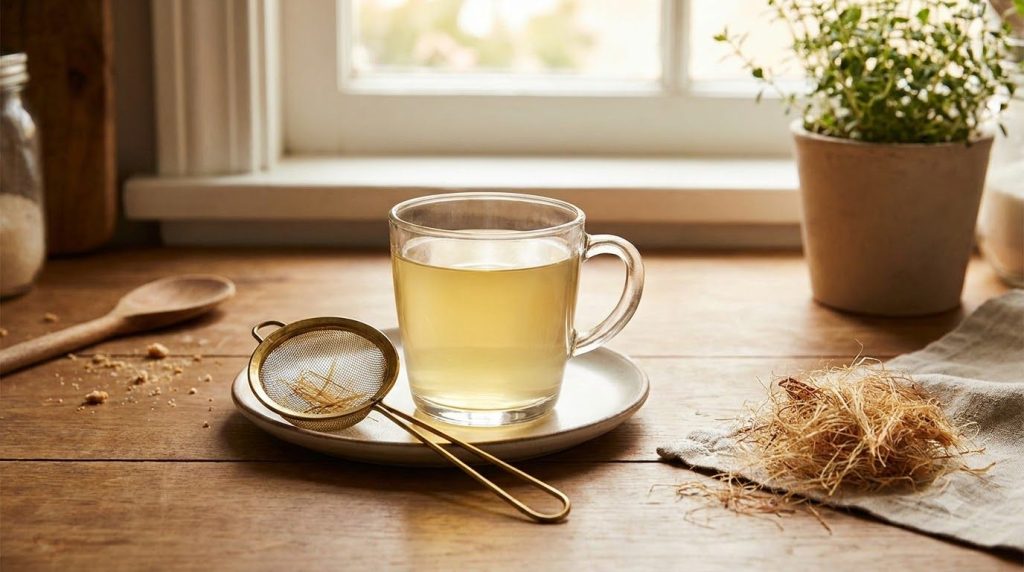
Fresh vs Dried Corn Silk
| Version | Best Use | Storage Life | Notes |
|---|---|---|---|
| Fresh silk | Same-day tea | 1 to 2 days refrigerated | Harvest from untreated corn only |
| Air-dried silk | Tea and infusions | 6 to 12 months in a sealed jar | Most practical for home use |
| Store-bought dried silk | Quick tea | Check the packaging date | Choose bright, unbroken strands |
How to Use It and How Often
Most home users drink one to two cups per day for short periods, such as a week at a time. Many people prefer it after a meal or in the evening. Traditional use focuses on comfort and general routine rather than fast results, so keep expectations realistic and take breaks rather than drinking it constantly.
Before You Brew: Make sure the silk comes from corn that was not sprayed with pesticides. Silk from a grocery-store cob is only a good choice if the corn is labeled organic or you know how it was grown.
How to Buy or Choose Corn Silk
If you grow your own sweet corn, save the silk from untreated plants and dry it right away. If you buy it, look for dry, golden-brown strands with no black spots, musty odor, or clumps. Buying from a reputable herb supplier that lists harvest or packaging dates is the safest route.
How to Store Corn Silk
Spread the silk on a clean screen or paper towel in a warm, dry, well-ventilated room for several days until it crackles when bent. Then store it in a sealed glass jar away from light and humidity. Label the jar with the date. Discard any batch that smells sour or shows mold.
Practical Tips
- Dry silk in a single layer and avoid direct sun, which can fade the color and flavor.
- Use a fine mesh strainer so small fibers do not end up in your cup.
- Brew a small test batch first to see how the flavor suits you.
- Keep a notebook of how you feel during a short trial period.
Did You Know? Corn silk is often combined with other mild herbs such as peppermint or chamomile to make the taste smoother.
Common Mistakes
- Using damp silk: This leads to mold and a musty taste.
- Boiling too long: Hard boiling can make the tea bitter. Steep off the heat instead.
- Storing in wet jars: Moisture is the fastest way to ruin a batch.
- Using sprayed corn: Pesticide residue can end up in the silk.
- Overusing: More cups do not mean better results. Stick to a moderate routine.
Cautions and Who Should Avoid It
Corn silk is traditionally used as a mild tea, but it is not suitable for everyone. Avoid it if you are pregnant or breastfeeding, have kidney problems, take diuretics, lithium, or diabetes medication, or have a known corn or pollen allergy. Stop if you notice rash, itching, swelling, or stomach discomfort. Speak with a healthcare professional before starting any new herbal routine, especially for ongoing concerns.
Quick Summary
- Best preparation: Steeped tea from dried silk, 1 to 2 tablespoons per cup.
- Best use case: A calm, short-term evening or after-meal tea routine.
- Storage: Fully dry silk in a sealed, dark, dry jar.
- When to use: One to two cups daily for short periods with breaks.
- What to avoid: Damp silk, sprayed corn, long boiling, and use if you fall into a higher-risk group.
Frequently Asked Questions
Can I use fresh or dried corn silk?
Both work. Fresh silk is best used the same day, while dried silk keeps for months and is easier to brew in batches.
How long does dried corn silk last?
Properly dried silk stored in a sealed glass jar away from light usually stays good for 6 to 12 months. Check for smell and mold before use.
Can I refrigerate the tea?
Yes. Brewed tea can be kept in a sealed container in the refrigerator for up to 24 hours. Reheat gently or drink it cold.
Can I freeze corn silk?
Freezing is not necessary. Dry it fully and store it airtight at room temperature instead.
Can I reuse the silk for a second cup?
You can steep the same silk once more, but the flavor will be much weaker. A fresh batch gives a more consistent cup.
How often should I drink it?
Most people keep to one to two cups per day for short periods. Take breaks and review your routine with a healthcare professional.
Final Thoughts
Corn silk is a simple, low-cost home preparation that becomes much more useful when you dry it properly, brew it gently, and store it carefully. Start with a small batch, keep your routine moderate, and let your own experience guide the next steps.
You may also like: How to Dry Herbs at Home for Long-Term Storage.
Read more: Simple Herbal Infusions for Beginners.
See the full guide: Storing Dried Herbs Safely in Glass Jars.