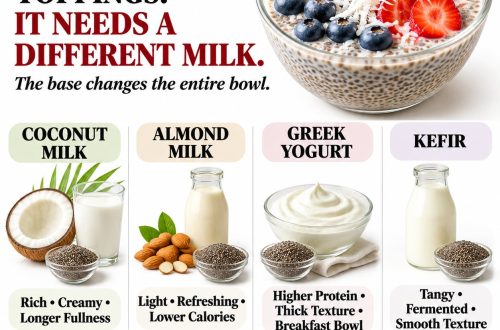
Not every food labeled healthy supports a calm gut. Overnight oats, chia puddings, kale smoothies, and beans are staples in many wellness routines, yet they can leave some people feeling heavy, gassy, or uncomfortably full. The good news is that a few simple adjustments often make a noticeable difference.
This guide breaks down the most common wellness triggers, explains why they can cause digestive pressure, and shares gentler swaps you can try without giving up the nutrition you are looking for.
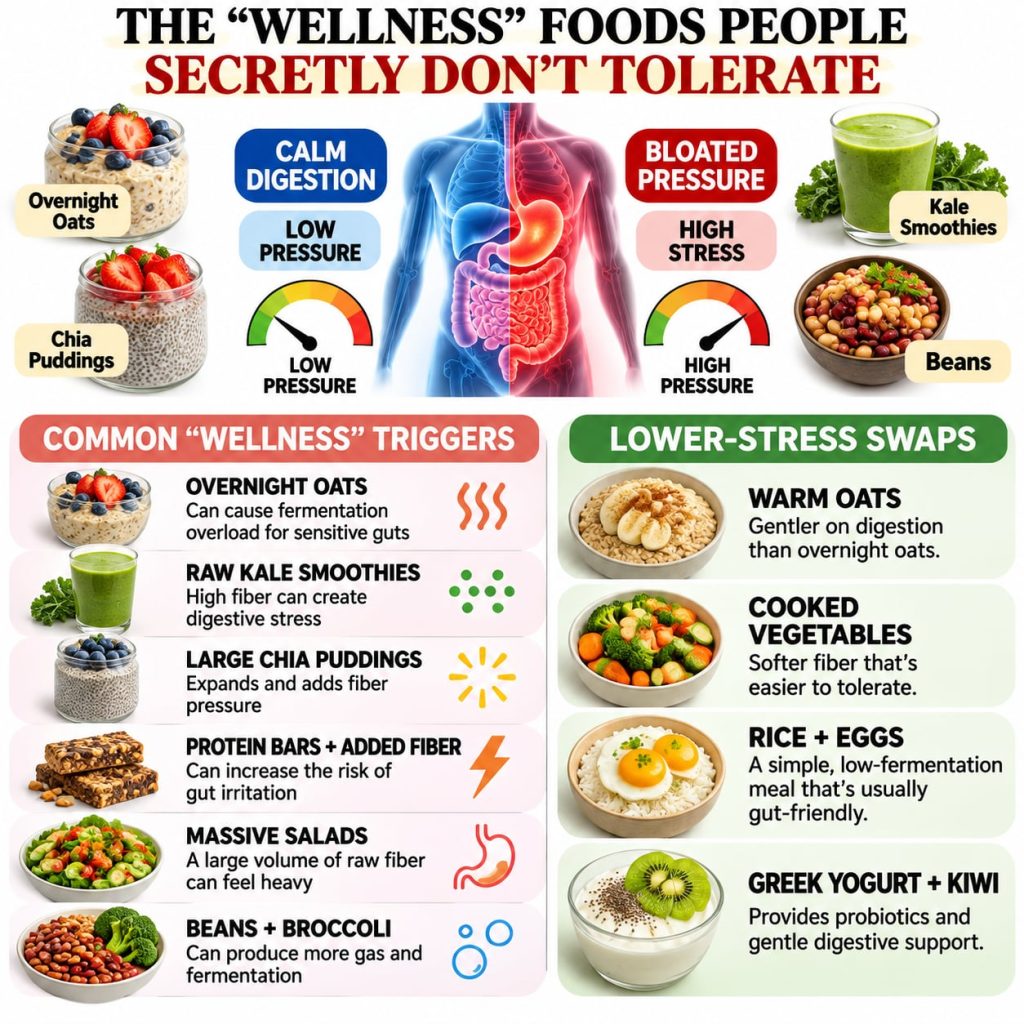 Some healthy foods can shift digestion from calm to uncomfortable.
Why Healthy Does Not Always Mean Gut-Friendly
Many wellness foods are rich in fiber, plant compounds, and fermentable carbohydrates. These qualities are part of what makes them nutritious, but they also mean the gut has more work to do. For some people, especially when portions are large or meals are eaten quickly, that extra work can lead to bloating and pressure.
Digestive comfort depends on several factors, including portion size, how foods are prepared, how much fiber you already eat, and how well your gut tolerates certain ingredients. The same food can feel great for one person and uncomfortable for another.
Common Wellness Triggers to Know About
The infographic highlights a few familiar foods that are often associated with digestive discomfort. Each one has a different reason for causing trouble.
Overnight Oats
Overnight oats are popular for good reason. They are convenient, filling, and easy to customize. However, soaking oats for long periods and adding high-fiber toppings can create a dense, heavy texture that some people find harder to digest, especially at breakfast when they are eating quickly.
Chia Puddings
Chia seeds absorb a large amount of liquid and swell as they sit. This is a big part of their appeal, but it also means a generous bowl of chia pudding can add a significant amount of fiber in one sitting. Eating too much at once may leave some people feeling full, gassy, or bloated, particularly if they are not used to a high-fiber intake.
Kale Smoothies
Kale smoothies are a classic way to add leafy greens to the day. Blending breaks down plant fibers, but the drink can still be high in fiber and fermentable compounds. Combining raw kale with other high-fiber ingredients or drinking large servings quickly can be hard on a sensitive stomach.
Beans
Beans are one of the most nutrient-dense plant foods available, offering protein, fiber, and minerals. They also contain oligosaccharides, carbohydrates that gut bacteria ferment, which produces gas. This is why beans are among the most commonly reported triggers for bloating, even though they remain a valuable part of a balanced diet.
Lower-Stress Swaps That Still Deliver Nutrition
The good news is that most wellness triggers can be adjusted rather than eliminated. The infographic’s lower-stress swaps focus on gentler preparation and smarter portions, so you can keep enjoying the foods you like.
- Overnight oats: Use a smaller portion, soak for a shorter time, or choose a warm version with cooked oats to make the texture easier to handle.
- Chia puddings: Start with about one tablespoon of chia seeds per serving and allow the pudding to set fully before eating. Increase slowly as your body adapts.
- Kale smoothies: Use cooked or lightly steamed greens, or blend a smaller amount of kale with lower-fiber fruits and plenty of liquid.
- Beans: Rinse canned beans thoroughly, soak dried beans before cooking, and add them to meals gradually so your gut can adjust.
These approaches keep the core benefits of each food while reducing the load on your digestive system. Many people find that small, consistent changes work better than cutting foods out entirely.
Practical Tips for a Calmer Gut
- Introduce high-fiber foods gradually over a few weeks.
- Drink enough water throughout the day, especially when eating more fiber.
- Chew slowly and avoid eating large meals in a rush.
- Keep a simple food diary to notice which foods and portion sizes feel best for you.
- Pair fiber-rich foods with protein or healthy fats to help meals feel more balanced.
Frequently Asked Questions
Should I stop eating healthy foods that cause bloating?
Usually not. Adjusting portion size, preparation, and pacing often helps you keep the nutrition while easing discomfort. If symptoms are persistent, it is worth speaking with a healthcare professional.
Are beans bad for digestion?
Beans are not bad for most people. They can cause gas at first, but gradual introduction and thorough rinsing or soaking often reduce the effect over time.
Why do chia puddings sometimes feel heavy?
Chia seeds expand considerably in liquid. Eating a large portion at once adds a lot of fiber and bulk, which can feel heavy if your digestive system is not used to it.
Final Thoughts
Healthy eating is not about perfection. Overnight oats, chia puddings, kale smoothies, and beans can all fit into a balanced diet when portions and preparation match your body’s needs. Start with one small swap this week and notice how your gut responds.
Which swap are you trying first? Share your choice in the comments below and tell us how it goes.
Medical Disclaimer
This article is for general information only and is not a substitute for professional medical advice. If you experience ongoing bloating, pain, or changes in digestion, please consult a qualified healthcare professional.