Are you getting enough protein? Many of us eat plenty of food but still fall short on this important nutrient. The good news is that protein is easy to add to everyday meals with foods you probably already have in your kitchen.
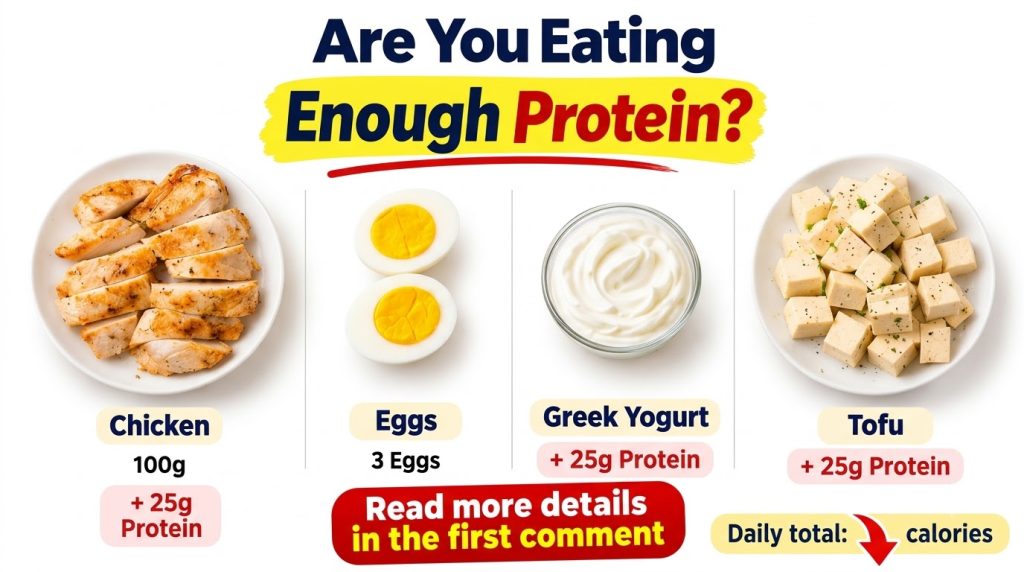
In this guide, we will look at how much protein you can find in common foods like chicken, eggs, Greek yogurt, and tofu. You will also learn why protein matters, how much you may need, and simple ways to add more to your plate.
Why Protein Matters
Protein is one of the building blocks of your body. It helps your muscles stay strong, supports healing, and plays a role in many everyday processes. Research suggests that including protein at meals may help you feel fuller for longer, which can make healthy eating feel more manageable.
Protein becomes even more useful as we get older. Many adults find that spreading protein across the day works better than eating most of it at dinner.
How Much Protein Do You Need?
General guidelines for healthy adults suggest about 0.8 grams of protein per kilogram of body weight per day. Needs can be higher for active people, older adults, and those recovering from illness or injury. Your personal needs depend on many factors, so a health professional can help you find the right target.
Protein in Everyday Foods
Here is a rough guide to protein in some popular foods. Values are approximate and can vary by brand and preparation.
| Food | Serving | Approximate Protein |
|---|---|---|
| Grilled chicken breast | 3 oz cooked | About 26 g |
| Hard-boiled egg | 1 large egg | About 6 g |
| Plain Greek yogurt | 3/4 cup | About 15 to 17 g |
| Firm tofu | 1/2 cup | About 10 g |
| Lentils, cooked | 1/2 cup | About 9 g |
| Cottage cheese | 1/2 cup | About 12 g |
Easy Ways to Add More Protein
- Add a boiled egg or two to your breakfast or lunch salad.
- Swap plain Greek yogurt in for sour cream on tacos or baked potatoes.
- Toss cubed tofu into stir-fries, bowls, or soups.
- Keep a container of cooked chicken ready for quick wraps and grain bowls.
- Stir lentils or beans into soups and pasta sauces.
Practical Tips
- Build each meal around a protein source first, then add vegetables and whole grains.
- Try to include some protein at breakfast, since many people eat very little in the morning.
- Choose lean cuts of meat and skinless poultry when you can.
- Plan two or three protein-rich snacks for the week, such as yogurt with berries or a handful of nuts.
- Batch cook proteins on Sunday to save time during busy weekdays.
Common Mistakes to Avoid
More protein is not always better. Very high intakes may put extra strain on the kidneys for some people, and eating too much processed meat has been associated with health concerns. Balance matters more than extremes.
Who Should Talk to a Professional First
If you have kidney disease, diabetes, or other health conditions, or you are pregnant, talk with your doctor or a registered dietitian before changing how much protein you eat.
This content is for educational purposes only and should not be considered medical advice. Consult a qualified healthcare professional for personalized dietary recommendations.
Frequently Asked Questions
Can I get enough protein without eating meat?
Yes. Eggs, Greek yogurt, tofu, lentils, beans, and nuts can all help you meet your protein needs when eaten across the day.
Does protein help with feeling full?
Research suggests protein may help you feel satisfied after meals, which can support healthy eating habits.
Is Greek yogurt a good protein source?
Plain Greek yogurt is typically high in protein and works well for breakfast, snacks, and cooking. Choose plain versions to limit added sugar.
How much protein should I eat at each meal?
Many people aim for roughly 20 to 30 grams per meal, though needs vary. A dietitian can help you find a target that fits your body and goals.
Are eggs bad for cholesterol?
For most healthy people, eggs can fit into a balanced diet. Individual responses vary, so ask your healthcare provider if you have specific concerns.
Can plant-based protein be as good as animal protein?
Many plant foods provide good protein. Combining different plant sources through the day, such as beans and whole grains, can help cover a range of nutrients.
Conclusion
Protein is an easy nutrient to add to your meals once you know where to find it. Start with one or two changes this week, like adding eggs to breakfast or swapping in Greek yogurt. Want more ideas? Explore our other articles on healthy breakfasts, high protein meals, and smart grocery shopping. Tell us your go-to protein source in the comments, and comment Tips if you would like more protein insights!