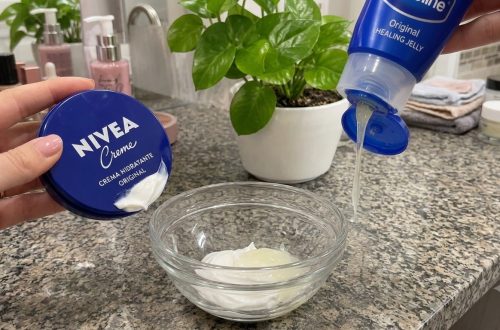
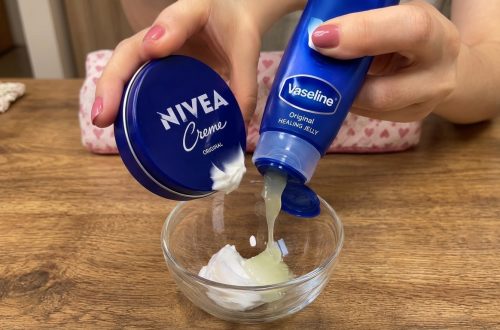
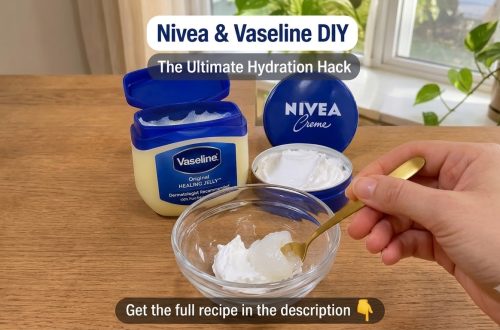
If your skin often feels tight, dry or dull, you are not alone. Many women look for an affordable way to add extra moisture to their evening routine, and a simple homemade blend can be a fun place to start. This guide walks you through a popular DIY hydration idea using two everyday products, explains why it works, and shares important tips to keep your skin safe.
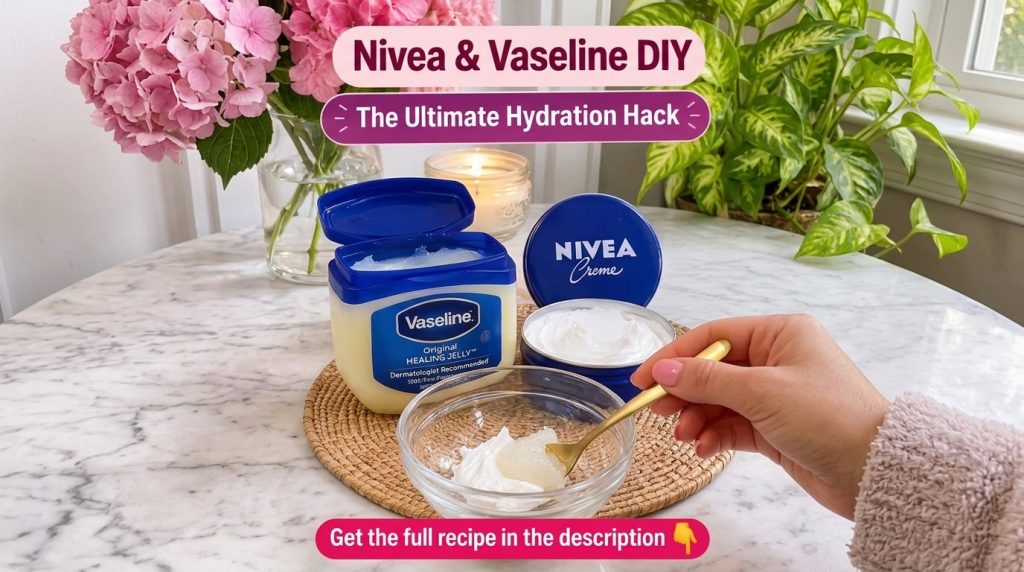
Why Hydration Matters for Your Skin
Hydration is about more than drinking water. Your skin needs moisture held in the outer layer to look smooth and feel comfortable. When that moisture escapes, skin can look dull, feel rough and show fine lines more easily. Occlusive ingredients, such as petroleum jelly, help slow water loss, while creamy moisturizers add softness and comfort. Combining the two is a popular way to create a thicker, night-time layer of hydration.
What You Will Need
- A small amount of a rich, fragrance-free moisturizing cream
- A small amount of pure petroleum jelly
- A clean glass bowl and a clean spoon
- A clean, airtight jar for storage if you plan to keep leftovers
Simple Steps to Mix
- Wash your hands and make sure your bowl and spoon are completely clean and dry.
- Place a small scoop of cream in the bowl. Start with a little, since a small amount goes a long way.
- Add a similar amount of petroleum jelly.
- Stir gently with the spoon until the texture looks smooth and even.
- Apply a thin layer to clean, dry skin in the evening, focusing on areas that feel the driest.
Tips for Best Results
Use a pea-sized amount for your face and adjust from there. Apply the blend after your usual serum or toner, when your skin is still slightly damp from cleansing. Because the mixture is heavy, it works best as a night treatment rather than under makeup. If you have oily or acne-prone skin, you may prefer a lighter moisturizer or use the blend only on dry patches.
Safety First
Always do a patch test before using any homemade product on your face. Apply a small amount to your inner arm or jawline and wait 24 hours. Stop using the mix if you notice redness, itching or irritation. Avoid using it on broken, sunburned or freshly treated skin, and do not use it in or around the eyes unless a product is labeled for that area. Homemade mixes should never replace medical advice for skin conditions, so speak with a dermatologist if you have persistent concerns.
Keep Your Routine Realistic
This kind of blend is a helpful add-on, not a miracle fix. Consistent habits such as drinking enough water, using sunscreen during the day, and choosing gentle cleansers usually make the biggest difference over time. Think of this DIY as a comforting weekly treat that fits into a simple self-care moment.
Final Thoughts
A simple mix of everyday moisturizing products can be an easy, budget-friendly way to pamper your skin at home. Start small, test first, and pay attention to how your skin responds. With a little patience, you may discover a nighttime ritual that leaves your skin feeling softer and more comfortable.