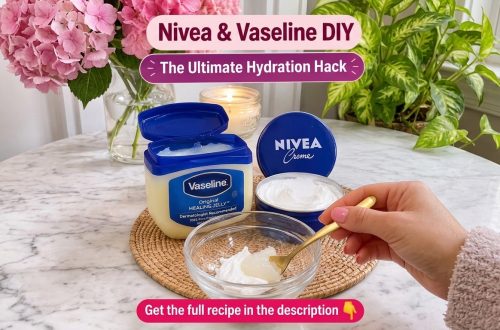
If your skin often feels tight, rough, or thirsty by the afternoon, you are not alone. Many women search for a simple way to lock in moisture without spending a fortune on specialty products. One popular home approach combines two drugstore staples that many people already keep at home: Nivea creme and Vaseline healing jelly. Here is what this DIY moisture idea is about, how people use it, and what to keep in mind before you try it.
Why This Combination Appeals to So Many People
Dry skin often needs more than a light lotion. A balanced moisturizer usually includes three types of ingredients: humectants that draw water in, emollients that soften the skin, and occlusives that help prevent water from escaping. Petroleum jelly is a well-known occlusive, which means it forms a protective layer over the skin. Creamy moisturizers add softness and a lighter texture. Together, the idea is that the cream feels comfortable to spread while the jelly helps the hydration stay in place longer.
The Basic Idea Behind the Hack
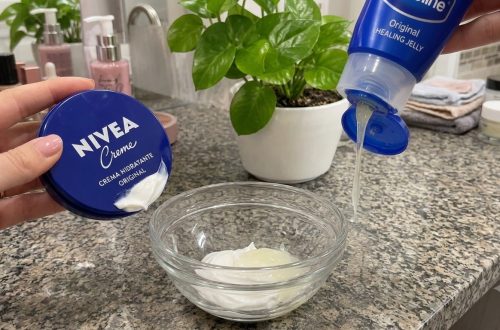
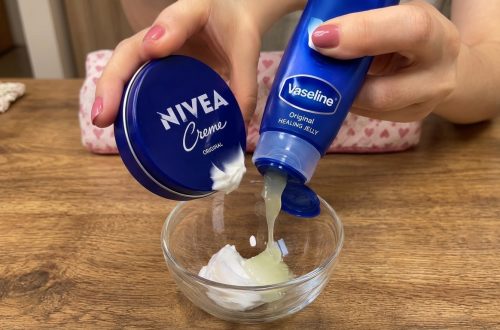
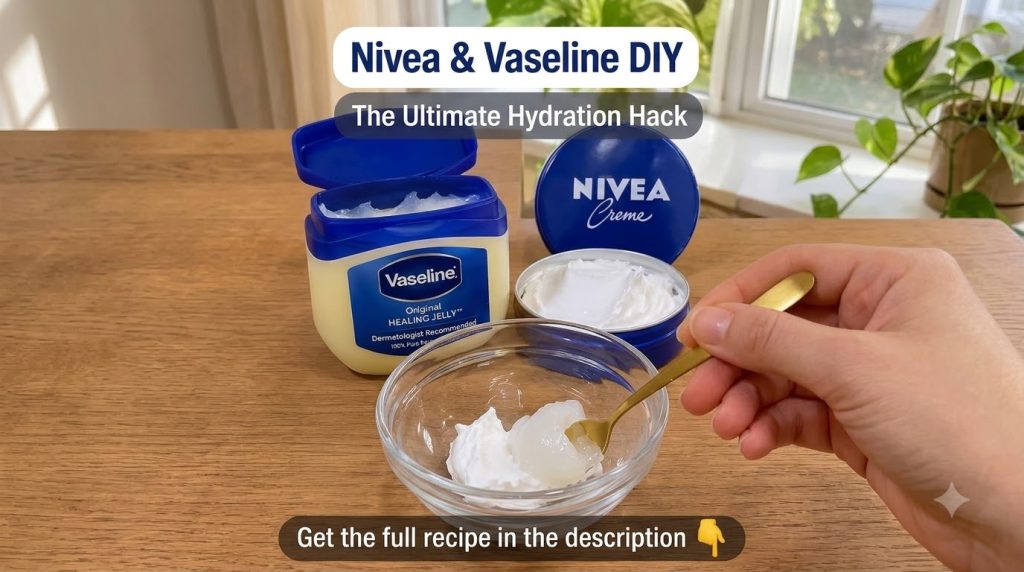
The concept is straightforward. A small amount of cream is placed in a clean glass bowl, then a similar small amount of petroleum jelly is added and blended until smooth. The mixture is applied to clean, slightly damp skin, usually on drier areas such as elbows, knees, heels, or hands. Many people like to use it as a night treatment because there is more time for the skin to absorb the cream before the occlusive layer does its work.
Practical Tips for Trying It Safely
- Always use a clean spoon and a clean container, and avoid double-dipping into your jars.
- Start with a small batch so you can see how your skin responds.
- Do a patch test on a small area of skin for a day or two before applying it more widely.
- Apply to damp skin so the moisture is sealed in more effectively.
- Use it on the body first if your face is sensitive or breakout-prone, since heavy occlusive layers can feel too rich for some people.
Who Should Be Careful
This type of routine is not right for everyone. If you have acne-prone skin, oily skin, rosacea, eczema flares, or any open cuts or broken skin, speak with a dermatologist or healthcare professional before trying it. Heavy products can trap heat and sweat on the skin and may cause irritation for some people. If redness, itching, burning, or swelling appears, rinse the area with lukewarm water and stop using the mixture.
Make Hydration a Lasting Habit
A homemade blend can be a helpful addition to a larger routine, but it works best alongside good daily habits. Drink enough water, use sunscreen during the day, avoid long hot showers that strip natural oils, and pat your skin dry gently after cleansing. Consistency usually matters more than any single trick. If you enjoy simple beauty experiments, this is an easy idea to test, note how your skin feels over a week or two, and adjust from there.
Have you tried a DIY moisture blend before? Share your experience in the comments and tell us what your skin needed most.