Peanuts, sesame seeds, and almonds are all popular snacks, but they bring different strengths to your plate. Here is a friendly guide to help you choose the right one for your goals.
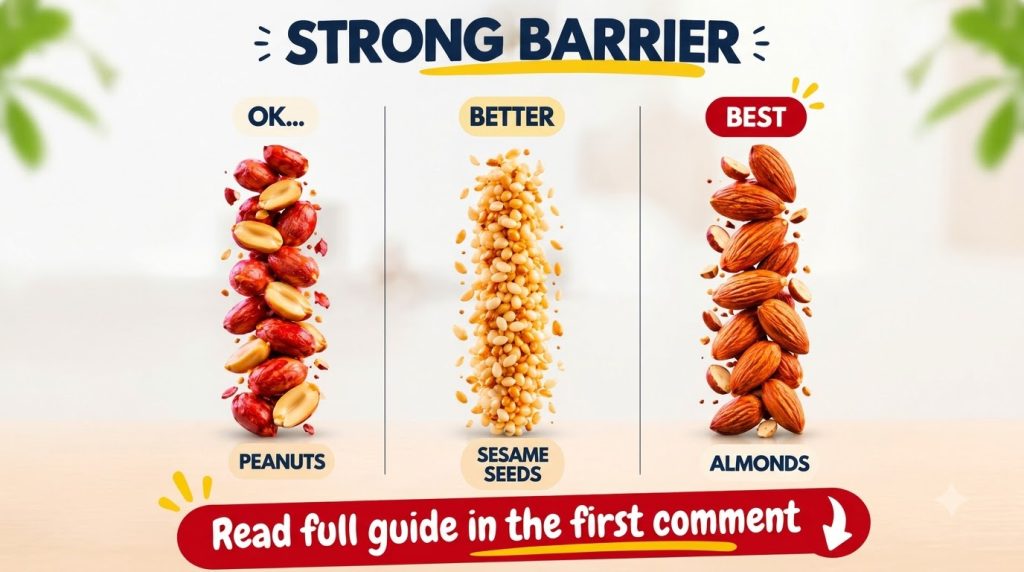
Nuts and seeds are easy to add to meals, and they are a convenient source of plant protein, healthy fats, and fiber. Still, not every option works the same way. Knowing what each one offers can help you make choices that fit your eating style.
Why Nuts and Seeds Belong in a Balanced Diet
Nuts and seeds are nutrient-dense foods. A small portion can add texture, flavor, and staying power to a meal. Research on eating patterns that include nuts has found links to heart health and overall diet quality, though no single food works alone.
Peanuts: Protein-Rich and Budget-Friendly
Peanuts are technically a legume, but they are usually grouped with nuts in the kitchen. They are one of the more affordable sources of plant protein, which makes them a practical choice for snacks and family meals.
- They provide plant protein that can help you feel full between meals.
- They contain fiber, which supports digestive health.
- Natural peanut butter with no added sugar is a simple way to enjoy them.
Sesame Seeds: Small but Mineral-Rich
Sesame seeds are tiny, but they pack a surprising amount of minerals. They are a useful source of calcium, magnesium, and iron, especially when you sprinkle them over salads, stir-fries, or roasted vegetables.
- Toast them lightly to bring out a nutty flavor.
- Use tahini, a paste made from ground sesame seeds, in dressings and dips.
- A little goes a long way, so a spoonful is often enough.
Almonds: A Source of Healthy Fats
Almonds are known for their monounsaturated fats, which are generally considered heart-friendly fats. They also provide vitamin E, an antioxidant, and a good amount of fiber. Almonds make a satisfying snack on their own or sliced over oatmeal and yogurt.

Quick Comparison Table
| Nut or Seed | Main Strength | Notable Nutrients | Easy Way to Enjoy |
|---|---|---|---|
| Peanuts | Plant protein and affordability | Protein, fiber, niacin | Natural peanut butter on whole-grain toast |
| Sesame seeds | Mineral content | Calcium, magnesium, iron | Sprinkled on stir-fried vegetables |
| Almonds | Healthy fats and vitamin E | Monounsaturated fats, vitamin E, fiber | Sliced over oatmeal or yogurt |
Which One Should You Choose?
There is no single winner for everyone. Peanuts suit anyone looking for an affordable protein boost. Sesame seeds work well if you want to add minerals with little effort. Almonds are a good pick if you want a snack rich in healthy fats. Many people benefit from rotating between all three.
Practical Tips for Adding Nuts and Seeds
- Measure your portion. A typical serving is about one ounce, roughly a small handful.
- Choose unsalted or lightly salted versions when possible.
- Skip candied or heavily sweetened coatings.
- Add seeds to breakfast bowls, salads, or smoothies.
- Store nuts and seeds in airtight containers to help keep their freshness.
Who Should Be Careful
Peanuts and sesame are common food allergens, so people with known allergies should avoid them. Nuts and seeds are also calorie-dense, so portion size matters if you are managing your weight. If you have a medical condition or take medication, talk with your healthcare provider about how these foods fit into your plan.
Frequently Asked Questions
Are peanuts really a nut?
Peanuts are a legume that grows underground. Nutritionally, they behave a lot like tree nuts, so many people treat them as nuts in everyday meals.
Which is the healthiest choice of the three?
It depends on your goals. Almonds offer healthy fats, sesame seeds offer minerals, and peanuts offer protein. A varied approach often works best.
How much should I eat in a day?
A common serving is about one ounce. Many people enjoy this amount several times a week as part of a balanced diet.
Can I eat nuts every day?
Many people can enjoy a daily portion. Watch your overall calorie intake and choose unsalted options when possible.
Are sesame seeds better whole or ground?
Ground sesame seeds, such as tahini, are often easier for the body to use than whole seeds, which may pass through unchanged. Both forms can fit into a healthy diet.
Do nuts and seeds help the body stay strong?
Eating a varied diet rich in whole foods may support overall health. Nuts and seeds are one helpful part of that picture, but they are not a shield against illness.
Conclusion
Peanuts, sesame seeds, and almonds each bring something valuable to your table. Choosing among them, or enjoying all three, can add variety and nutrition to everyday eating. Start with one small change this week, such as a handful of almonds or a sprinkle of sesame seeds.
If you enjoyed this guide, explore more ideas like High Protein Snack Ideas, Healthy Breakfast Bowls, and Best Foods for Gut Health on our site.
This content is for educational purposes only and should not be considered medical advice. Consult a qualified healthcare professional for personalized dietary recommendations.