Want a glowing complexion? Many people wonder which foods can help their skin look its best. The good news is that your skin is shaped by many factors, including sleep, sun protection, stress, and what you eat. Your daily meals play a supporting role, and a colorful, balanced plate can make a real difference over time.
In this guide, we will walk through the foods that are commonly linked with healthy skin, explain the nutrients behind them, and share simple ways to add them to your meals. You will also find practical tips that make healthy eating easier for busy households.
Why Diet Matters for Skin Health
Your skin is the body’s largest organ, and it constantly needs building blocks for repair and renewal. Vitamins, minerals, healthy fats, and antioxidants all play a part in keeping skin strong and resilient. Research suggests that diets rich in fruits, vegetables, nuts, and seeds are associated with healthier-looking skin, though food alone is not a cure for skin concerns.
Key Nutrients to Know
- Vitamin A (from beta-carotene): Supports normal skin cell turnover and is found in orange and leafy green produce.
- Vitamin C: Plays a role in collagen production and acts as an antioxidant.
- Vitamin E: Helps protect skin cell membranes from everyday oxidative stress.
- Zinc: Important for skin repair and immune function.
- Omega-3 fats: Support the skin’s natural barrier and help keep it hydrated.
- Water: Staying well hydrated helps your skin feel comfortable and supple.
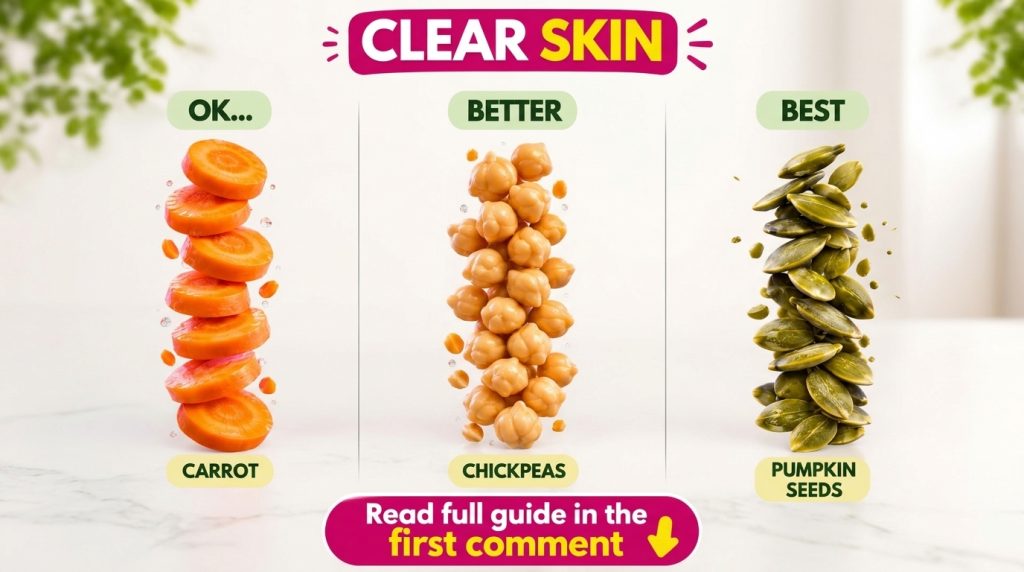
Foods Ranked: OK, Better, and Best
Think of these foods as a simple guide rather than strict rules. Every food here can fit into a healthy diet, and the best choice is the one you will enjoy eating regularly.
Best Choices
| Food | Key Nutrients | Why It Fits Skin Health |
|---|---|---|
| Carrots | Beta-carotene, vitamin K | Converted to vitamin A in the body, which supports normal skin function |
| Pumpkin seeds | Zinc, vitamin E, healthy fats | Provide minerals and antioxidants that support skin repair |
| Chickpeas | Zinc, fiber, plant protein | Offer steady energy and minerals that contribute to skin health |
| Bell peppers | Vitamin C | Support collagen formation and antioxidant defenses |
| Walnuts | Omega-3 fats, vitamin E | Help support the skin’s natural moisture barrier |
Better Choices
- Spinach and kale, rich in vitamin C, vitamin A, and antioxidants
- Strawberries and oranges, good sources of vitamin C
- Sweet potatoes, which provide beta-carotene and fiber
- Salmon and sardines, packed with omega-3 fats
Good Everyday Choices
- Oatmeal and whole grains for fiber and steady energy
- Yogurt for protein and minerals
- Green tea, which contains natural plant compounds
- Tomatoes, a source of lycopene and vitamin C
How Food and Skin Health Connect
Eating a variety of foods gives your body a wide range of nutrients. Instead of focusing on one superfood, aim for balance across the whole day. A diet with plenty of plants, healthy fats, and lean protein is commonly linked with overall wellness, and healthy skin is part of that picture.
It is also worth remembering that highly processed foods and very sugary drinks are often eaten in large amounts in many modern diets. Cutting back on them while adding more whole foods is a simple shift that many people find helpful.
Practical Tips for Eating for Healthy Skin
- Fill half your plate with colorful vegetables at lunch and dinner.
- Add a small handful of pumpkin seeds or walnuts to yogurt, oatmeal, or salads.
- Choose chickpeas or lentils in soups, wraps, and grain bowls a few times a week.
- Keep sliced carrots and bell peppers in the fridge for easy snacking.
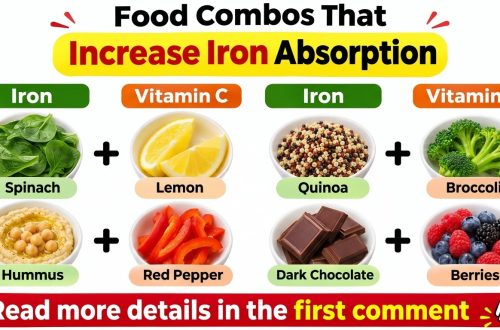
- Pair iron-rich plant foods with vitamin C sources, like beans with peppers, to help absorption.
- Drink water throughout the day, and keep a bottle nearby as a reminder.
Common Mistakes to Avoid
- Expecting one food to fix skin concerns on its own.
- Relying on supplements instead of a balanced diet, without guidance from a professional.
- Skipping daily sun protection and good sleep, which affect skin just as much as diet.
- Eating very large amounts of one food, such as carrots, which can cause a harmless orange tint to the skin in some people.
Simple Recipe Idea: Crunchy Chickpea and Carrot Salad
Toss one drained can of chickpeas with two shredded carrots, a cup of baby spinach, a tablespoon of pumpkin seeds, a squeeze of lemon, and a drizzle of olive oil. Season with salt, pepper, and a pinch of cumin. This salad takes about ten minutes to prepare and keeps well in the fridge for two to three days.
Frequently Asked Questions
Can food really improve my skin?
Food can support healthy skin as part of an overall balanced lifestyle. Results vary from person to person, and skin care also depends on genetics, sleep, sun exposure, and hygiene.
Which food should I start with?
Start with foods you already enjoy, such as carrots, nuts, or beans. Small, consistent changes are easier to maintain than big, sudden diet overhauls.
Are pumpkin seeds good for skin?
Pumpkin seeds provide zinc and vitamin E, both of which play roles in skin health. They are a nutritious snack when eaten in moderate portions.
Do I need supplements for clear skin?
Most people can meet their needs through food. Talk with a healthcare professional before starting any supplement, especially if you take medications.
How long does it take to notice changes?
Skin renews itself gradually, so changes in eating habits may take several weeks to months to show. Patience and consistency matter most.
Is carrot juice a good replacement for whole carrots?
Whole carrots are generally a better choice because they include more fiber. Juice can still be part of a healthy diet in small amounts.
Conclusion
Healthy skin is supported by many everyday habits, and food is one of the most enjoyable places to start. Carrots, pumpkin seeds, chickpeas, and other colorful foods offer nutrients that work together to support your skin from the inside out. If you want more ideas, explore our guides on high-protein breakfasts, anti-inflammatory foods, and easy healthy lunches.
This content is for educational purposes only and should not be considered medical advice. Consult a qualified healthcare professional for personalized dietary recommendations.