Why Zinc Matters for Your Body
Zinc is a mineral your body needs in small amounts, but it plays a big role in many everyday processes. It helps support your immune system, supports normal cell growth and repair, and contributes to healthy skin, hair, and nails.
Your body cannot store zinc for long, so it is important to eat zinc-rich foods regularly. Including a few sources in your weekly meals is an easy way to keep your intake steady.
What Zinc Helps Support
- Normal immune function and the body’s natural defenses
- Cell growth, division, and repair
- Healthy skin, hair, and nails
- Normal taste and smell
- Wound healing and protein building
Top Zinc-Rich Foods to Try
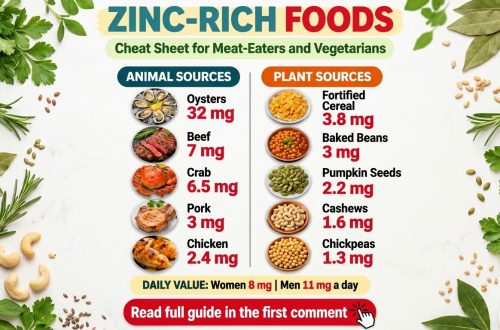
Zinc is found in both animal and plant foods. Animal sources tend to contain zinc in a form the body absorbs more easily, while plant sources can still make a helpful contribution, especially when paired with a varied diet.
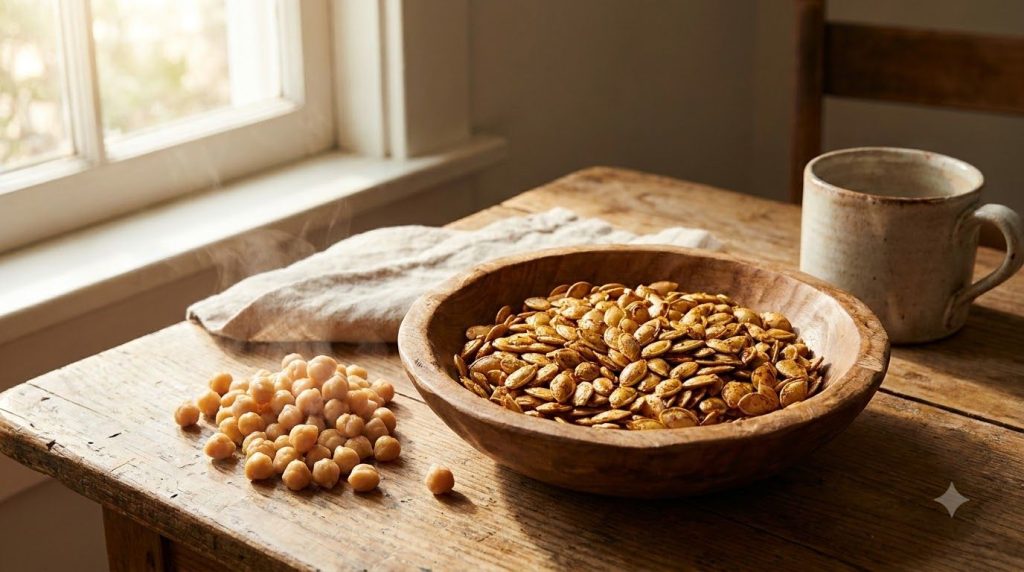
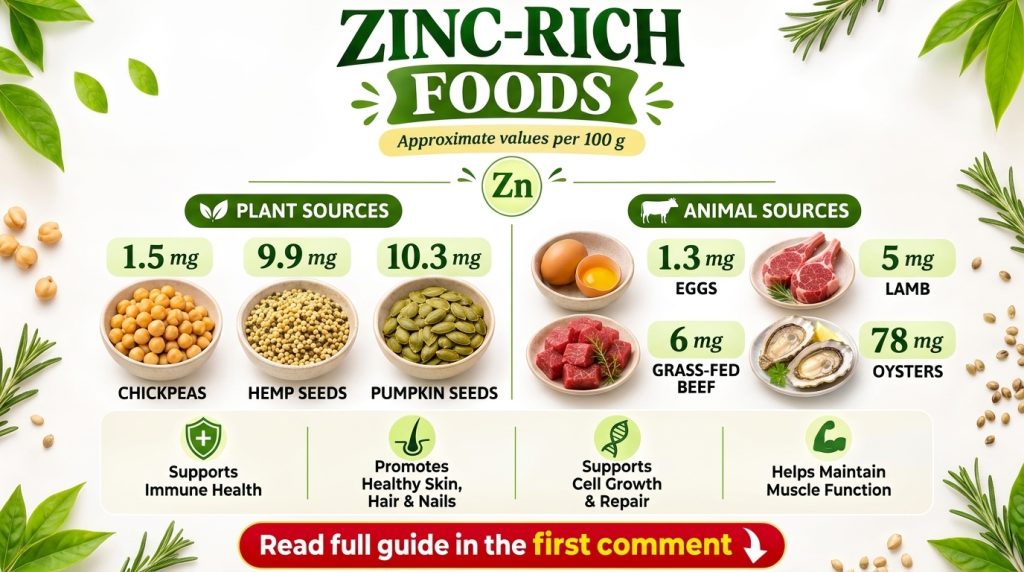
Approximate Zinc Content of Common Foods
The values below are rough estimates per 100 grams. Actual amounts vary by brand, preparation, and portion size.
| Food | Type | Approximate Zinc | Main Benefit |
|---|---|---|---|
| Oysters (cooked) | Seafood | Very high, often the richest source | Strong zinc boost in a small serving |
| Grass-fed beef | Meat | Moderate to high | Also provides protein and iron |
| Lamb | Meat | Moderate to high | Rich in protein and B vitamins |
| Pumpkin seeds | Plant | Moderate | Easy snack with healthy fats |
| Hemp seeds | Plant | Moderate | Good source of protein and fiber |
| Chickpeas (cooked) | Legume | Low to moderate | Adds fiber and plant protein |
| Eggs | Animal | Low to moderate | Easy everyday option |
How Much Zinc Do You Need?
Most adults need roughly 8 milligrams of zinc per day if they are women and about 11 milligrams if they are men. Needs can change with age, pregnancy, and overall diet, so check with a healthcare professional for personal guidance.
Practical Tips for Eating More Zinc
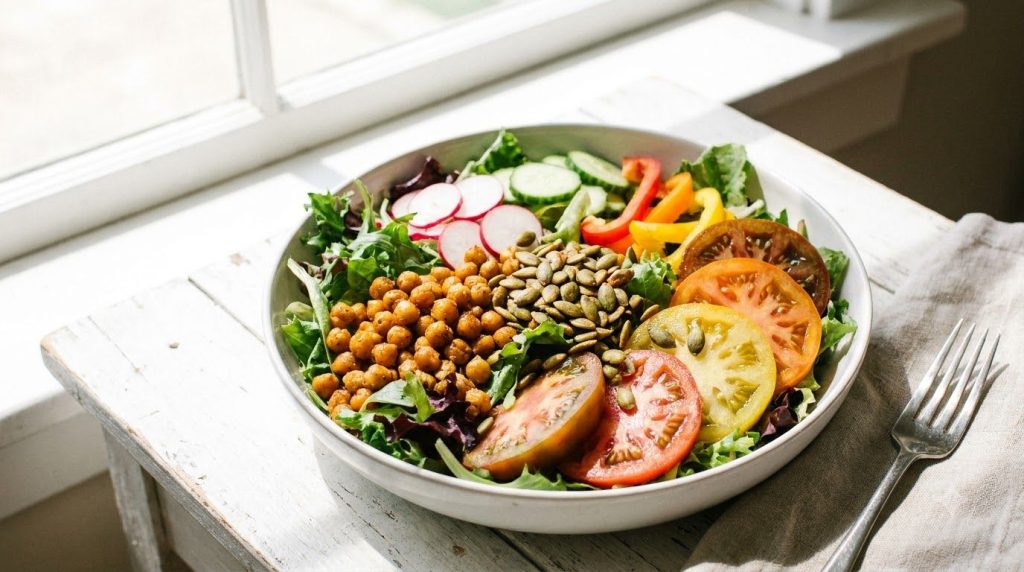
- Sprinkle roasted pumpkin seeds over salads, soups, or yogurt.
- Add cooked chickpeas to grain bowls, wraps, or roasted vegetable trays.
- Stir hemp seeds into oatmeal or smoothies for a simple boost.
- Choose lean cuts of beef or lamb a few times a week.
- Use eggs for quick breakfasts, such as veggie scrambles.
- Pair plant sources with vitamin C foods like bell peppers or citrus to support overall nutrient balance.
Possible Risks of Too Much Zinc
More is not always better. Adults should generally avoid taking more than 40 milligrams of zinc per day from supplements unless a doctor recommends it, because high intake can interfere with copper absorption and cause stomach upset. Food sources rarely cause this problem.
Frequently Asked Questions
Which food has the most zinc?
Oysters are often cited as one of the richest natural sources of zinc. Beef and lamb also provide meaningful amounts.
Can vegetarians get enough zinc?
Yes, many vegetarians meet their needs with legumes, seeds, nuts, dairy, and whole grains. Soaking or sprouting some plant foods may also improve absorption.
Do I need a zinc supplement?
Many people get enough zinc from food alone. A supplement should only be considered after speaking with a healthcare professional.
How long does it take to notice benefits from zinc-rich foods?
Results vary widely. Eating a balanced diet with zinc-rich foods supports long-term health rather than producing quick changes.
Is zinc good for skin?
Zinc plays a role in normal skin function. Research suggests a balanced diet supports healthy skin, though it is not a cure for skin conditions.
Does cooking reduce zinc?
Some minerals can be lost in cooking water, so steaming or braising with the liquid in the dish can help keep nutrients in your meal.
Conclusion
Zinc is a small but powerful mineral that supports immunity, cell repair, and healthy skin, hair, and nails. By adding a mix of seafood, meat, seeds, and legumes to your meals, you can enjoy zinc in tasty, affordable ways. Explore more healthy eating ideas on our site to keep building balanced meals you love.
Related article ideas: Best Foods for Immune Support, High Protein Plant-Based Meals, Healthy Seed and Nut Snacks, Iron-Rich Foods for Energy.
This content is for educational purposes only and should not be considered medical advice. Consult a qualified healthcare professional for personalized dietary recommendations.