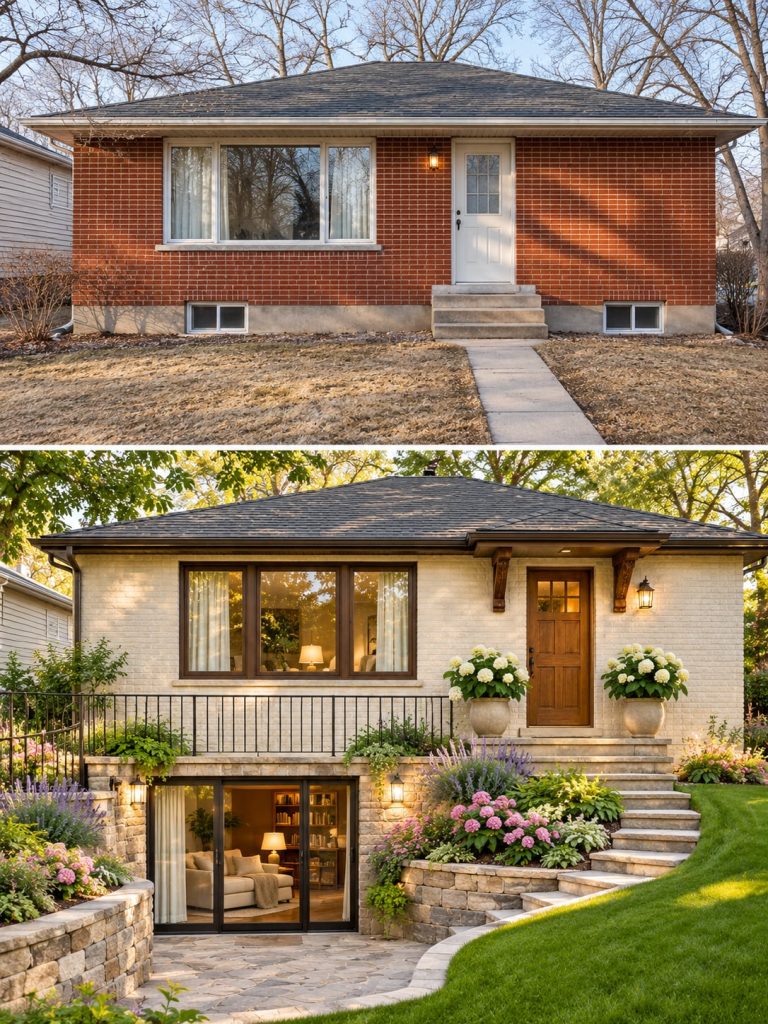
A basement that feels dark, damp, and forgotten is one of the most common frustrations in home design. The good news is that a lower level does not have to stay closed off from the outdoors. With a carefully planned sunken garden, sometimes called a light well or areaway, you can bring daylight deep below grade, open a view to green growing space, and make a lower floor feel like part of the home. This guide walks you through the core principles, the plants that tend to thrive in these spaces, and the practical steps that keep the project healthy for years.
Why a Sunken Garden Changes the Way Light Works
Plants and people both respond to light, and below-grade rooms receive far less of it than the floors above. A sunken courtyard works by pulling daylight down to the level of a basement wall, with the surrounding soil acting as the frame. Larger openings, lighter wall finishes, and a clear path for sun to reach the bottom of the excavation make the biggest difference. Plan the courtyard’s orientation carefully. A south or southeast opening generally receives the most direct light in the Northern Hemisphere, while a north-facing courtyard will be much dimmer and better suited to shade-tolerant plants.
Planning the Excavation and Structure
Before any digging, contact your local building department and utility locating service. Excavating next to a foundation can affect structural support, drainage, and buried lines, so many projects require permits and a structural review. Retaining walls must be designed to hold back soil, and the bottom of the courtyard should slope slightly away from the house so water drains toward a gravel or perforated drain line rather than pooling against the foundation.
Drainage Is the Make-or-Break Detail
Water is the biggest threat to a sunken garden. Install a gravel layer at the base, a perforated drain pipe connected to a suitable outlet, and a waterproof membrane along the foundation wall. Keep the top of the soil at least a few inches below the house sill and the finished grade, and direct downspouts away from the courtyard edge. If water stands in the lowest corner after heavy rain, the drainage needs to be redesigned before planting.
Choosing Plants for a Courtyard Light Well
Plant selection depends mostly on how many hours of direct sun reach the bottom of the courtyard and how the walls reflect light. Use these general groups as a starting point, then observe the space through a full day and across several weeks.
Full to Part Sun (Four or More Hours of Direct Light)
Many herbs, such as thyme, rosemary, and oregano, need well-drained soil and strong light. Rosemary is generally hardy in USDA zones 7 to 10 in the ground, so in colder regions it should be grown in a pot that can be moved indoors. Lavender, sage, and dwarf flowering perennials also prefer sun and sharp drainage. Plant them in raised mounds or containers so their roots are not sitting in wet soil at the bottom of the excavation.
Part Shade (Two to Four Hours of Direct Light)
Leafy vegetables like lettuce, spinach, and kale tolerate partial shade, though they often grow more slowly and may bolt sooner in heat. Hostas, ferns, and heucheras are reliable ornamental choices in shadier corners. Hostas are typically hardy in USDA zones 3 to 9, depending on cultivar. Be aware that slugs and snails favor the damp, sheltered conditions of shaded courtyards, so check the undersides of leaves regularly and remove pests by hand or with traps rather than relying on broad chemical treatments.
Deep Shade (Less Than Two Hours)
In very shaded corners, focus on foliage plants such as ferns, hellebores, and certain sedges. Edible crops will struggle here. Use this area for texture, seating, or a path rather than forcing vegetables into low light.
Soil, Containers, and Planting Steps
Sunken gardens often sit in compacted subsoil or fill material, so amend the planting zone deeply. Mix good-quality topsoil with compost, aiming for roughly one-third compost by volume in planting beds. Test drainage before planting: dig a hole about 12 inches deep, fill it with water, and let it drain. If water remains after several hours, improve drainage or raise the planting bed.
- Remove weeds and debris, and loosen compacted soil to a depth of at least 8 to 10 inches.
- Add compost and check pH with a simple soil test kit or your local extension service.
- Create raised beds or planting mounds for herbs and drought-tolerant perennials.
- Set transplants at the same depth they grew in their nursery containers, and water them thoroughly after planting.
- Mulch lightly with shredded bark or leaf mulch, keeping it a few inches away from stems.
Containers are a flexible option for smaller courtyards. Choose pots with drainage holes, use a peat-free potting mix with perlite for drainage, and leave at least an inch of space below the rim for watering. Watch container plants closely in summer, since reflected heat from walls can dry them out quickly.
Watering and Maintenance Habits
Check soil moisture by pushing a finger about two inches down. If it feels dry, water deeply. Shaded, enclosed courtyards hold moisture longer than open beds, so overwatering is a frequent mistake. Yellowing lower leaves, a sour smell, or soggy soil usually signal too much water. Wilting plants with dry soil point to underwatering. Keep a simple watering log for the first season so you can see patterns.
Common Mistakes to Avoid
- Skipping drainage design and assuming soil will drain on its own.
- Planting sun-loving herbs in a north-facing shaded well.
- Covering the courtyard with too much mulch, which can trap moisture against stems.
- Ignoring snow load, falling leaves, and debris that can clog drains.
- Forgetting that safety guards or railings may be required around deep openings.
Adapting the Project Across U.S. Climates
In colder USDA zones, roughly 3 to 5, freezing soil and snow can crack walls or block drains, so use frost-resistant materials and plan for winter cleanup. In zones 6 to 8, the main challenges are heavy rain and summer heat reflected off walls. In zones 9 to 11, humidity and rapid plant growth call for good airflow and regular pruning. USDA zones describe winter cold tolerance only, so also consider local rainfall, microclimates, and your regional cooperative extension office for soil and planting advice.
Bringing the Idea to Life
A sunken garden can transform a basement into a brighter, more welcoming part of the home. Start with a clear plan for light, drainage, and permits, then choose plants that match the sun your courtyard actually receives. Take measurements on a sunny day, sketch the courtyard, and begin with a small planting area. With steady maintenance and a few well-chosen plants, your lower level can become a space you enjoy every day.