Most people throw guava leaves away while they enjoy the fruit, but many home herbalists keep the leaves for a simple, caffeine-free tea. The fruit gets the attention, yet a small pot of water and a few clean leaves can make a mild daily drink. This guide shows you exactly how to prepare it, how often to drink it, and the mistakes that quietly ruin the batch.
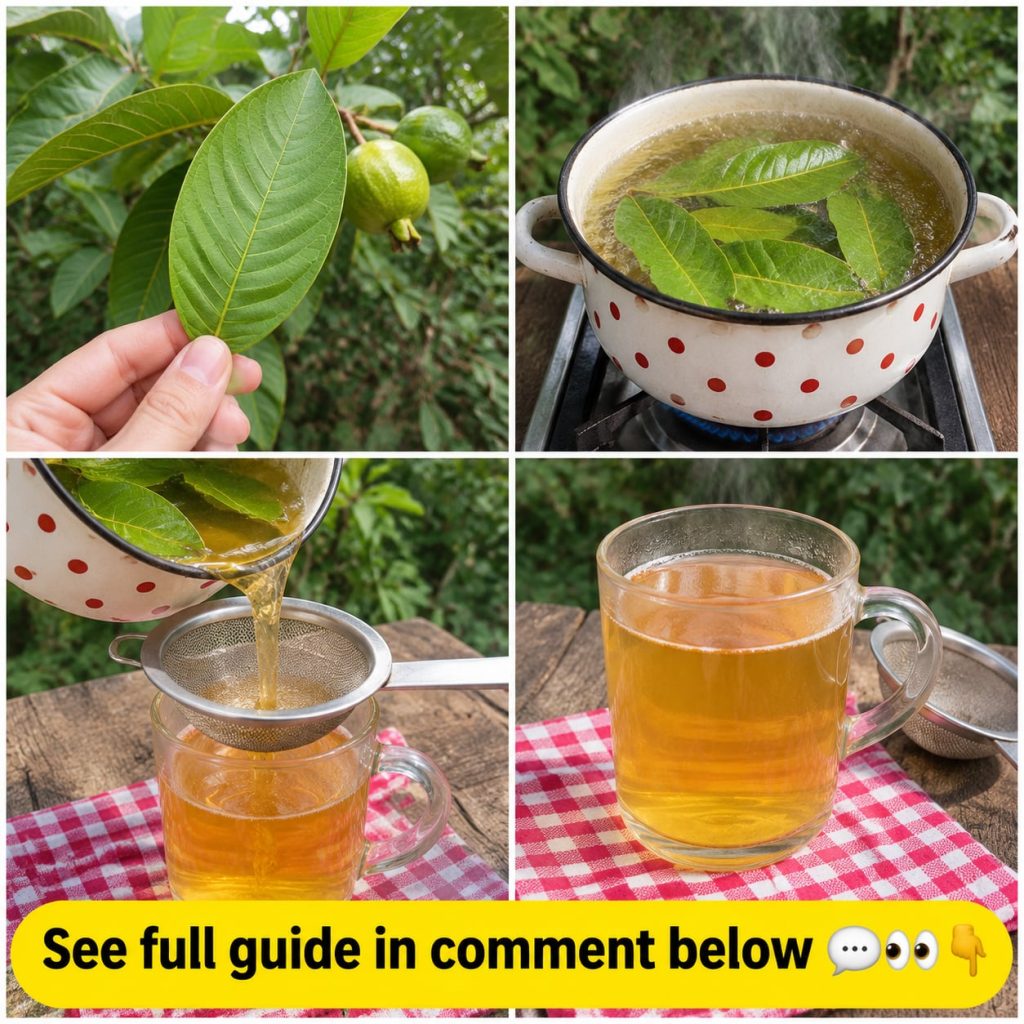
What Guava Leaf Tea Is
Guava leaf tea is a simple infusion made by steeping guava leaves in hot water. It has a light, slightly grassy flavor and is often served plain or with a little honey. People typically brew it as an everyday herbal drink rather than as a treatment, and it works well as a replacement for an afternoon coffee or a late-night cup you want to keep caffeine-free.
Ingredients and Approximate Measurements
- 6 to 8 fresh, healthy guava leaves, or 1 to 2 teaspoons dried guava leaves
- 2 cups (about 500 ml) filtered water
- Optional: 2 to 3 thin slices fresh ginger
- Optional: 1 teaspoon raw honey, added after the tea cools slightly
- Optional: a squeeze of fresh lemon juice
Start with the smaller amount of leaves if you are new to herbal tea. A stronger brew is not always better, and too many leaves can make the flavor bitter.
Quick Tip: Use young, bright green leaves from the upper part of the branch. Older, yellowing leaves tend to taste flat and may have more wear and damage.
Step-by-Step Method
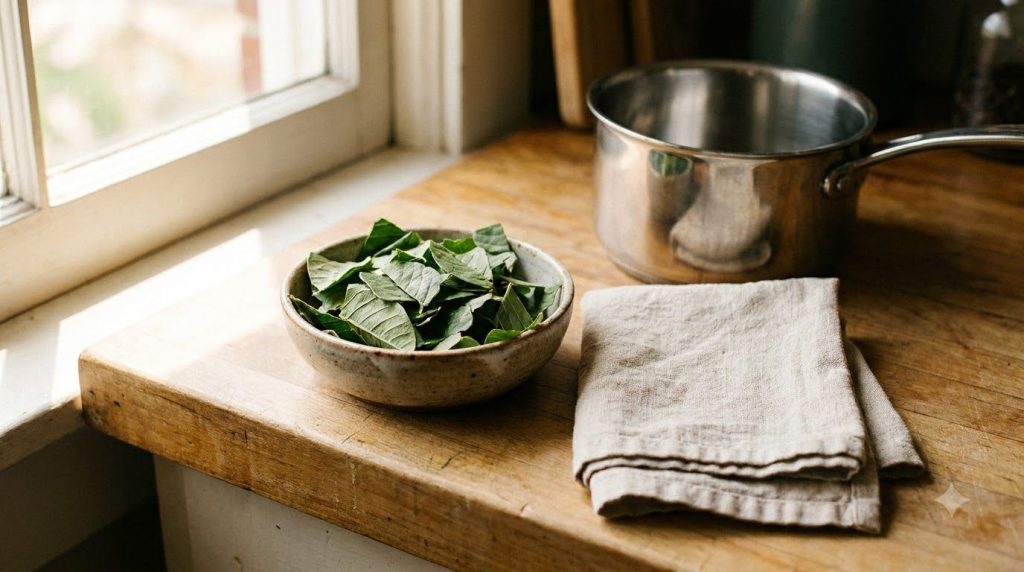
- Rinse the leaves under cool running water to remove dust and small insects.
- Pat them dry with a clean towel, then chop or lightly crush them to release more flavor.
- Bring the water to a boil in a small pot, then remove it from the heat.
- Add the leaves and ginger, if using. Cover the pot.
- Let the leaves steep for 10 to 15 minutes. Do not keep the liquid on a rolling boil.
- Strain into a cup and add honey or lemon only after the drink has cooled to a comfortable temperature.
Fresh vs Dried Guava Leaves
Both forms work for a simple tea. The table below helps you choose based on what you have on hand.
| Factor | Fresh Leaves | Dried Leaves |
|---|---|---|
| Flavor | Light, grassy, slightly sweet | Earthier and more concentrated |
| Amount per 2 cups | 6 to 8 leaves | 1 to 2 teaspoons |
| Steeping time | 10 to 15 minutes | 8 to 12 minutes |
| Storage life | Use within 2 to 3 days when refrigerated | Up to several months in an airtight jar |
| Best for | Fresh daily brewing | Batch preparation and travel |
How to Use It and How Often
Most people drink one to two cups per day, usually in the morning or early afternoon. Drinking it warm is the most common approach, though some people enjoy it chilled after brewing and refrigerating it. Avoid making a very strong concentrate and drinking large amounts in one sitting. Moderate, consistent cups are the practical way to test whether you enjoy the taste and how your body responds.
Before You Brew: Wash your hands, rinse the leaves thoroughly, and use a clean pot and strainer. Small hygiene steps make a noticeable difference in the final cup.
How to Choose and Buy Ingredients
If you grow a guava tree, pick healthy leaves from a branch that is free of spots, holes, and visible pests. If you buy dried guava leaves, choose a product that is green or greenish-brown, smells mild and fresh, and comes in a sealed package with a clear harvest or packaging date. Avoid bags that look faded, dusty, or moldy. Choose leaves from sources that do not use sprays you would not want in your cup, and rinse everything before use.
Storage
Fresh leaves keep best in a paper towel inside a loosely sealed container in the refrigerator for two to three days. Do not store them wet, since moisture encourages mold. Dried leaves should be kept in an airtight glass jar away from heat, light, and humidity. Label the jar with the date so you know when to replace it.
Practical Tips
- Brew in small batches so the tea stays fresh.
- Use a lid while steeping to keep the aroma and warmth in the cup.
- Test a small cup first, then adjust the leaf amount for your taste.
- Pair the tea with a light meal rather than drinking it on an empty stomach if you are sensitive to herbal drinks.
Common Mistakes
- Using damaged, yellowing, or spotted leaves, which often produce a dull or bitter cup.
- Boiling the leaves for a long time, which can make the tea harsh.
- Storing fresh leaves in a damp container, which leads to mold.
- Skipping the rinse step, especially when leaves come from outdoor trees.
- Overusing the leaves in an attempt to make the tea stronger faster.
- Adding sugar or heavy sweeteners that hide the natural flavor you are trying to enjoy.
Cautions and Who Should Avoid It
Guava leaf tea is best treated as a simple herbal drink, not a replacement for medical care. Speak with a qualified healthcare professional before using it regularly if you are pregnant or breastfeeding, if you are managing diabetes or blood pressure, or if you take prescription medication. Stop using it and seek advice if you notice an allergic reaction such as itching, swelling, or breathing difficulty. Children should only have small amounts and only after checking with a pediatrician.
Quick Summary
- Best preparation: fresh, healthy leaves steeped for 10 to 15 minutes in hot water.
- Best use case: a daily, caffeine-free herbal cup.
- Storage: fresh leaves in the fridge for 2 to 3 days; dried leaves in an airtight jar.
- When to use: morning or early afternoon, one to two cups per day.
- What to avoid: damaged leaves, long boiling, wet storage, and heavy sugar.
FAQ
Can I use fresh or dried guava leaves?
Yes. Fresh leaves give a lighter flavor, while dried leaves are more concentrated. Use fewer dried leaves than fresh ones.
How long does the tea last?
Brewed tea is best consumed within 24 hours when refrigerated in a sealed container.
Can I refrigerate the tea?
Yes. Let it cool, store it in a clean sealed bottle, and drink it within one day for the best taste.
Can I freeze guava leaves?
You can freeze clean, dry leaves in a sealed bag, but many people find that dried leaves are more convenient for long storage.
Can I reuse the leaves?
A second brew is usually weaker and more bitter. Most people prefer fresh leaves for each batch.
What part of the plant is best?
Young, healthy leaves are generally preferred for the mildest flavor. Avoid leaves that are damaged or discolored.
When should I avoid it?
Avoid it if you have a known allergy to guava or related plants, or if a healthcare professional has advised against herbal teas for your situation.
Read More from REMEDY
You may also like: ginger and lemon herbal tea for daily routines
Read more: how to dry herbs at home for long-term storage
Related remedy: simple homemade herbal infusions for beginners
Final Thoughts
Guava leaf tea is a practical, low-cost way to turn a common garden or market ingredient into a calm daily drink. Start with clean, healthy leaves, keep the steeping time moderate, and store everything properly. With a few simple habits, you can make a batch you enjoy and know exactly what went into it.