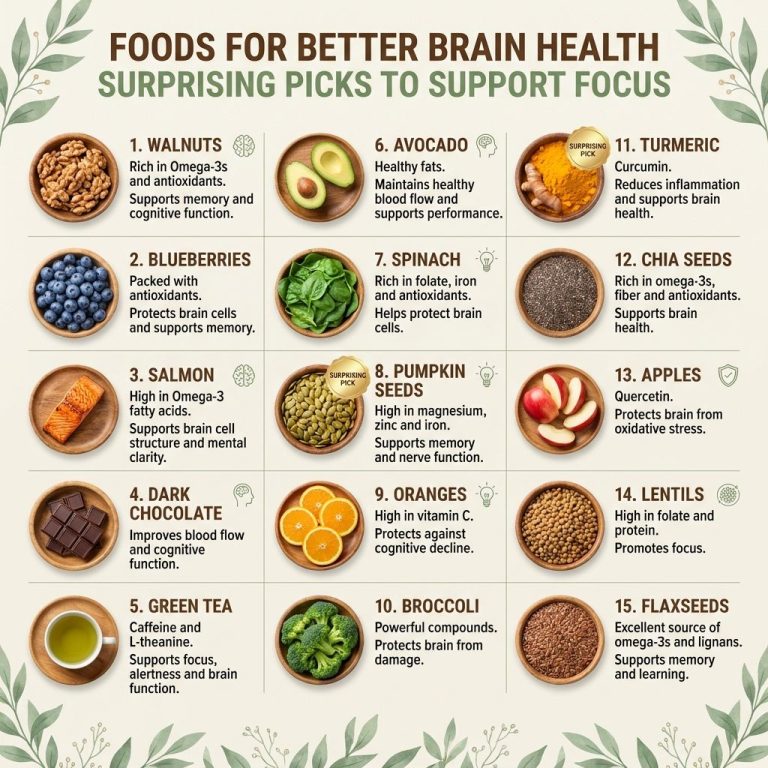
When most people think about brain health, they picture blueberries, salmon, or a cup of green tea. Those foods deserve their reputation, but nutrition science points to several lesser-known ingredients that can quietly support memory, focus, and mental clarity. Two of the most interesting are pumpkin seeds and turmeric. Both are inexpensive, easy to find, and simple to add to everyday meals.
Why Your Brain Needs Good Nutrition
Your brain is a energy-hungry organ. Although it makes up only about two percent of body weight, it uses roughly 20 percent of your daily energy. It depends on a steady supply of nutrients, including healthy fats, antioxidants, vitamins, and minerals, to send signals, protect nerve cells, and manage inflammation. Eating a varied diet is one of the most practical ways to support these processes over the long term.
Pumpkin Seeds: Small Seeds, Big Nutrition
Pumpkin seeds, also called pepitas, are a concentrated source of nutrients that the brain relies on. Here is what makes them stand out:
- Magnesium: Involved in hundreds of enzyme reactions, including those that help nerve cells communicate. A single ounce can provide a substantial portion of the daily requirement.
- Zinc: Plays a role in neurotransmitter function and learning processes.
- Iron: Supports oxygen transport in the blood, which helps the brain stay alert.
- Healthy fats and plant protein: Provide steady energy that can help you stay focused through the afternoon.
- Antioxidants: Help protect brain cells from oxidative stress over time.
Because pumpkin seeds are calorie-dense, a small handful, roughly one ounce, is a good serving size. Toss them into oatmeal, sprinkle them over salads, or blend them into homemade granola for a satisfying crunch.
Turmeric: The Golden Spice With a Focus on Curcumin
Turmeric has been used in traditional cooking for centuries, and modern research has focused on its active compound, curcumin. Curcumin has antioxidant and anti-inflammatory properties that scientists are studying for their possible links to brain function. Chronic low-grade inflammation is thought to play a role in age-related cognitive decline, so foods that help manage inflammation are of great interest.
It is important to keep expectations realistic. Most studies on curcumin have used concentrated extracts, and research on culinary turmeric is still developing. Think of turmeric as a supportive part of a healthy diet rather than a cure. A few practical tips can help you get the most from it:
- Pair turmeric with black pepper. Piperine in black pepper can significantly increase curcumin absorption.
- Add a little healthy fat, such as olive oil or avocado, since curcumin is fat-soluble.
- Use it in soups, curries, roasted vegetables, golden milk, or scrambled eggs.
How to Build These Foods Into Your Daily Meals
The easiest approach is to make small, consistent swaps rather than overhauling your entire diet. Here are a few ideas to get started:
- Breakfast: Stir a spoonful of pumpkin seeds and a pinch of turmeric with black pepper into your morning oatmeal or yogurt bowl.
- Lunch: Add roasted pumpkin seeds to a leafy green salad with a lemon-turmeric dressing.
- Dinner: Season lentil soup or roasted cauliflower with turmeric, then top with toasted pumpkin seeds.
- Snack: Keep a small jar of lightly salted pumpkin seeds at your desk for an easy mid-afternoon boost.
Supporting Your Brain Beyond Single Foods
No single ingredient can guarantee sharper thinking. The strongest evidence points to overall dietary patterns, such as Mediterranean-style eating that emphasizes vegetables, fruit, whole grains, legumes, nuts, seeds, and fish. Regular physical activity, quality sleep, stress management, and social connection also play important roles in long-term brain health. Pumpkin seeds and turmeric work best as part of this broader lifestyle.
Key Takeaways
Pumpkin seeds offer magnesium, zinc, iron, and antioxidants that support nerve function and steady energy. Turmeric contains curcumin, which may help manage inflammation when paired with black pepper and healthy fat. Both are easy to add to breakfast, lunch, dinner, or snacks. Start with one small change this week and notice how it fits into your routine.
Which of these surprising foods will you try first? Share your favorite brain-friendly recipe in the comments below and inspire others on their wellness journey.