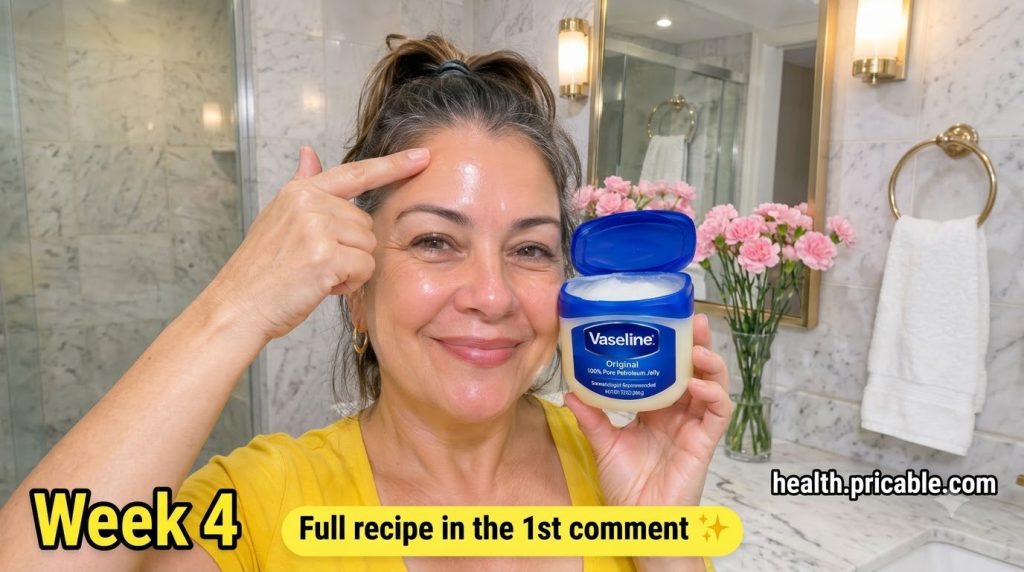
Seeing a real glow after weeks of consistency is one of the most rewarding feelings in a self-care routine. Many of us have spent a fortune on serums and creams, so it is refreshing to see how much a classic, affordable jar of petroleum jelly can do when it is used the right way. In this week 4 update, we explore why this simple trick has become so popular, how to use it safely, and what to expect as your skin adjusts.
Why Week 4 Matters in Any Skincare Journey
Most skincare changes take time. Your skin renews itself gradually, and the outer layer can take several weeks to show visible improvements in softness, comfort, and radiance. Week 4 is often when people start to notice that their skin feels less tight, looks more even, and holds moisture better throughout the day. Consistency is the real secret here, not a single dramatic application.
What Makes Petroleum Jelly So Effective?
Petroleum jelly is an occlusive ingredient. In plain language, it forms a light protective barrier on the surface of the skin that helps prevent water from escaping. Because it does not add much water itself, its main job is to lock in the hydration that is already there. This is why many dermatologists have long recommended it for dry, irritated, or easily chapped skin.
That barrier effect is also why it can make skin look dewy and shiny, which is exactly the healthy glow that many people are chasing. Forehead, cheeks, and areas that tend to feel dry are popular spots for a thin layer.
A Simple Way to Try the Vaseline Hack
If you want to try this routine at home, keep it gentle and simple:
-
Start with clean skin. Wash your face with a mild cleanser and pat it until it is slightly damp.
-
Apply a very thin layer of petroleum jelly only to the areas that feel dry, such as the forehead, cheeks, or around the nose.
-
Use it mainly at night, so it can work while you sleep and the shine does not interfere with makeup.
-
Wash it off gently in the morning, and follow with your usual moisturizer and sunscreen.
A little goes a long way. Thick layers can feel heavy and may trap oil and debris, especially if your skin is prone to breakouts.
Important Safety Tips Before You Start
Every skin type is different, so it is wise to do a patch test on a small area for a few nights before using it on your face. Stop using it if you notice redness, itching, swelling, or breakouts. People with acne-prone or very oily skin may prefer to use it only on drier patches or skip it altogether.
Petroleum jelly should never be applied to open wounds, deep cuts, or broken skin without advice from a healthcare professional. It also does not replace sunscreen. Daytime sun protection remains essential for preventing dark spots, uneven tone, and premature aging. If you have a specific skin concern such as persistent dryness, irritation, or hyperpigmentation, a dermatologist can offer personalized guidance.
Making the Routine Work Long Term
The most successful routines are the ones you can keep doing. Choose a consistent time, such as before bed, and keep your jar where you can see it. Pair the habit with other gentle care steps like hydrating your body, getting enough sleep, and using a moisturizer that suits your skin. Taking progress photos every week can also help you see changes that are easy to miss day to day.
Final Thoughts
A week 4 glow-up is not about perfection. It is about small, steady steps that help your skin feel comfortable, hydrated, and healthy. Used carefully, a classic jar of petroleum jelly can be a simple and affordable part of that journey. Have you tried this trick yet? Share your experience with our community and tell us how your skin responds.