Quick Overview
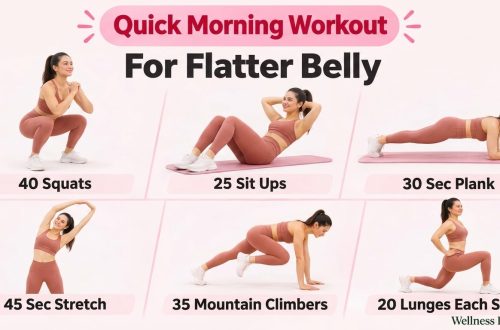
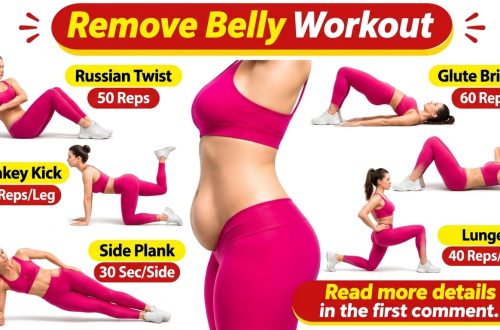
Short workout plans are popular because they feel manageable and motivating. A seven-day movement routine can be a helpful way to build a regular habit, but it is important to understand what it can and cannot do. No exercise plan can target fat loss from one specific area of the body, and results vary widely from person to person. This guide explains what a beginner-friendly core routine may look like, what research says about belly fat, and how to approach exercise safely.
What Research Says About Belly Fat
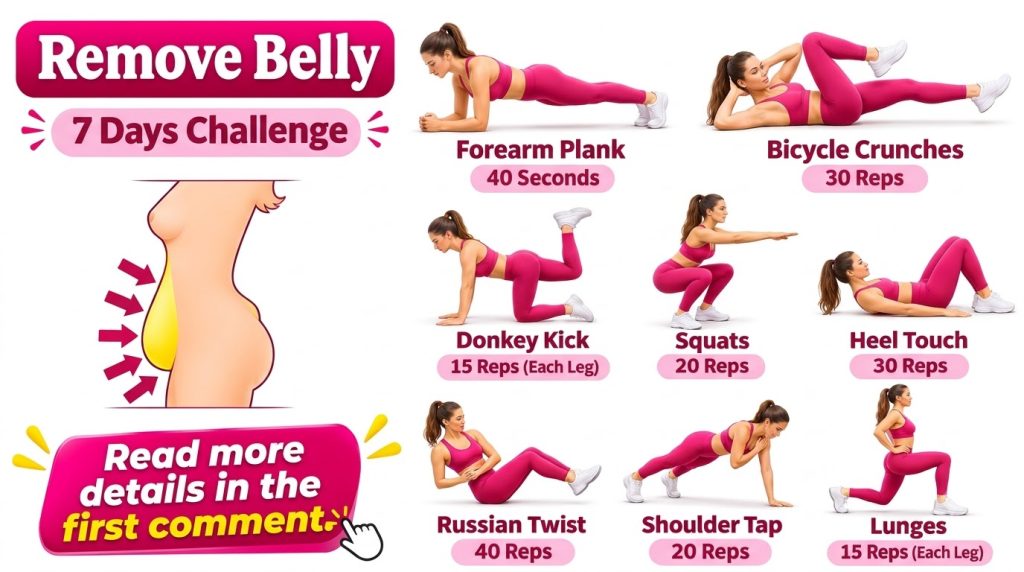
Waist circumference is often used as a simple indicator of health. According to the World Health Organization, excess fat stored around the abdomen is associated with a higher risk of metabolic conditions. Research suggests that reducing overall body fat through regular physical activity and balanced eating may help support a healthier waistline over time. Spot reduction, meaning losing fat only in one area through targeted exercise, is not supported by current evidence.
A Sample Seven-Day Movement Plan
The following ideas are general examples for people who are new to exercise. Adjust the intensity, rest between sets, and total time to suit your current fitness level.
- Days 1 and 2: A 20-minute brisk walk, followed by 2 rounds of a modified plank with knees on the floor, holding for 10 to 15 seconds.
- Days 3 and 4: A 20-minute walk, plus 2 rounds of glute bridges (10 repetitions) and bird dogs (6 to 8 repetitions per side).
- Day 5: Rest or gentle stretching, such as a relaxed child’s pose and cat-cow movements.
- Days 6 and 7: A 25-minute walk, plus 2 rounds of dead bugs (6 to 8 repetitions per side) and a modified side plank for 10 seconds per side.
Tips for Staying Consistent
- Choose a time of day that fits your routine, and schedule sessions like appointments.
- Focus on good form rather than speed or the number of repetitions.
- Track how you feel, including energy, sleep, and comfort, not just appearance.
- Pair movement with whole foods such as vegetables, legumes, lean proteins, and whole grains, which are commonly associated with healthy eating patterns.
- Stay hydrated and allow rest days for recovery.
Important Note
This article is for educational purposes only and is not a substitute for medical advice, diagnosis, or treatment. Speak with a healthcare professional before starting a new exercise program, especially if you have an injury, a heart or blood pressure condition, pregnancy, or any other health concern. If you feel pain, dizziness, or shortness of breath during exercise, stop and seek medical guidance. For general guidance on physical activity, you may review the World Health Organization’s recommendations on physical activity.