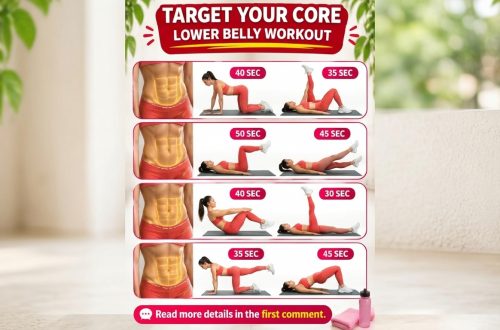
Everyone wants a stronger, more defined midsection, and a slimmer-looking waistline is a goal many gym members, athletes, and busy professionals share. The good news is that a well-designed core routine can strengthen your abdominal muscles, support your posture, and improve how your whole body moves. The key is understanding what a core workout can and cannot do, and then building consistent habits around it.
Why Core Strength Matters
Your core includes much more than the muscles you see on the surface. It connects your upper and lower body, stabilizes your spine, and helps you transfer force during lifts, runs, and cycling sessions. A strong core can make everyday movements feel easier and can help you perform better in the gym.
It is also important to be realistic. You cannot choose where your body loses fat, so crunches alone will not create a slimmer waist. Visible changes usually come from a combination of strength training, cardiovascular activity, sleep, and a balanced eating pattern that supports your goals.
Core Exercises to Add to Your Routine
The following movements are beginner-friendly and can be scaled up as you get stronger. Aim to perform them with controlled form rather than speed.
- Dead bug: Lie on your back with arms reaching toward the ceiling and knees bent at 90 degrees. Slowly extend opposite arm and leg while keeping your lower back gently pressed toward the floor.
- Glute bridge: Lie on your back with knees bent, then lift your hips by squeezing your glutes. This builds lower-body strength while engaging your core.
- Side plank: Support your body on one forearm with your legs stacked, lifting your hips to form a straight line. Hold briefly, then switch sides.
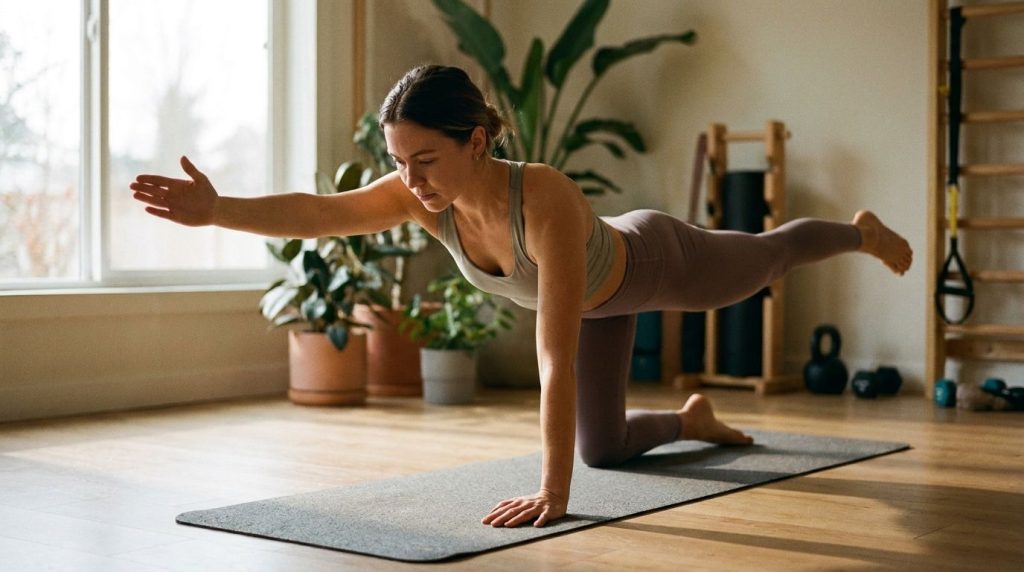
- Bird dog: From a hands-and-knees position, extend one arm and the opposite leg while keeping your back flat. This improves balance and spinal stability.
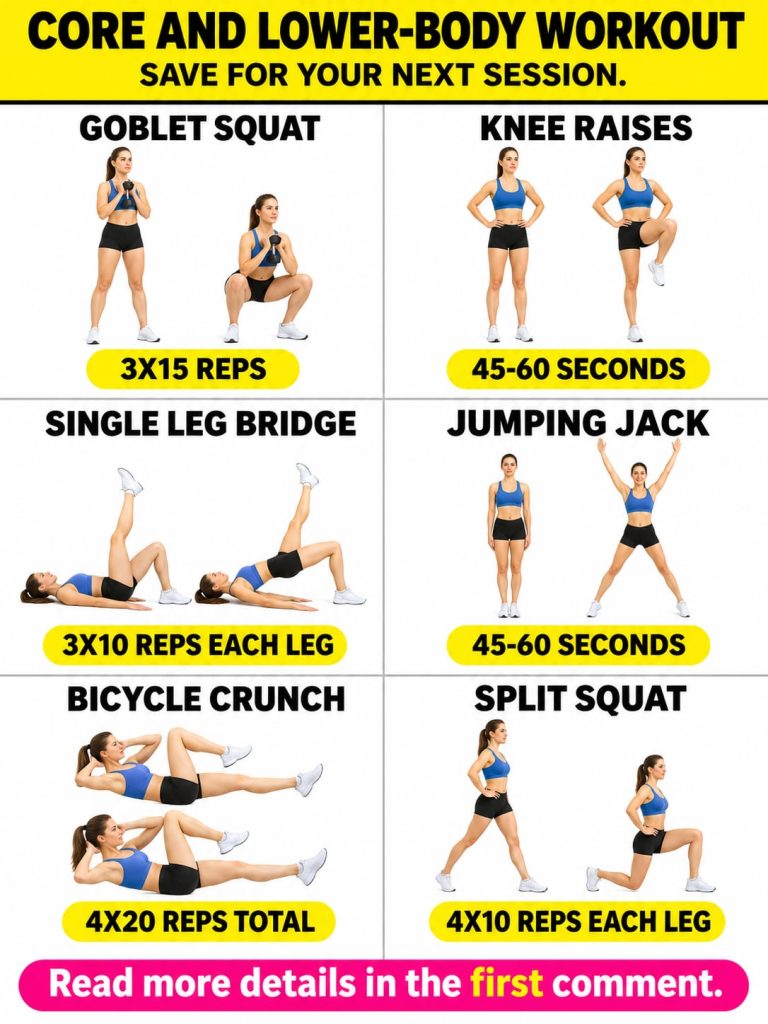
- Goblet squat: Hold a dumbbell or kettlebell at chest height and squat while keeping your torso upright. This strengthens your legs and trunk together.
How to Build a Simple Weekly Plan
You do not need an hour-long session to see progress. Try adding two or three short core sessions per week, each lasting 10 to 15 minutes. Choose three or four exercises, perform two to three sets of 8 to 12 repetitions or hold each position for 20 to 40 seconds, and rest as needed.
- Warm up for five minutes with light cardio such as brisk walking or cycling.
- Complete your core exercises with controlled form.
- Finish with a few minutes of stretching for your hips, back, and chest.
Tips for Better Results
Progress comes from consistency more than intensity. Track your workouts, increase difficulty gradually, and pay attention to how you feel. If you experience pain, stop and adjust the movement or consult a qualified professional.
Pair your training with nutrition that supports your energy and recovery. Adequate protein, fiber-rich vegetables, whole grains, and enough water can help you stay consistent and recover well between sessions.
Stay Consistent and Keep Moving
A stronger core is a practical goal that improves both your training and your daily life. Start with a few exercises, stay patient, and build the habit one week at a time. Save this guide for your next training session, and share it with a workout partner who wants to strengthen their midsection too.