Most people toss a handful of cloves into a pot of ginger and never measure a thing. That is the step that quietly ruins the batch: too many cloves turn a gentle cup into something harsh and medicinal within a few sips.
What It Is
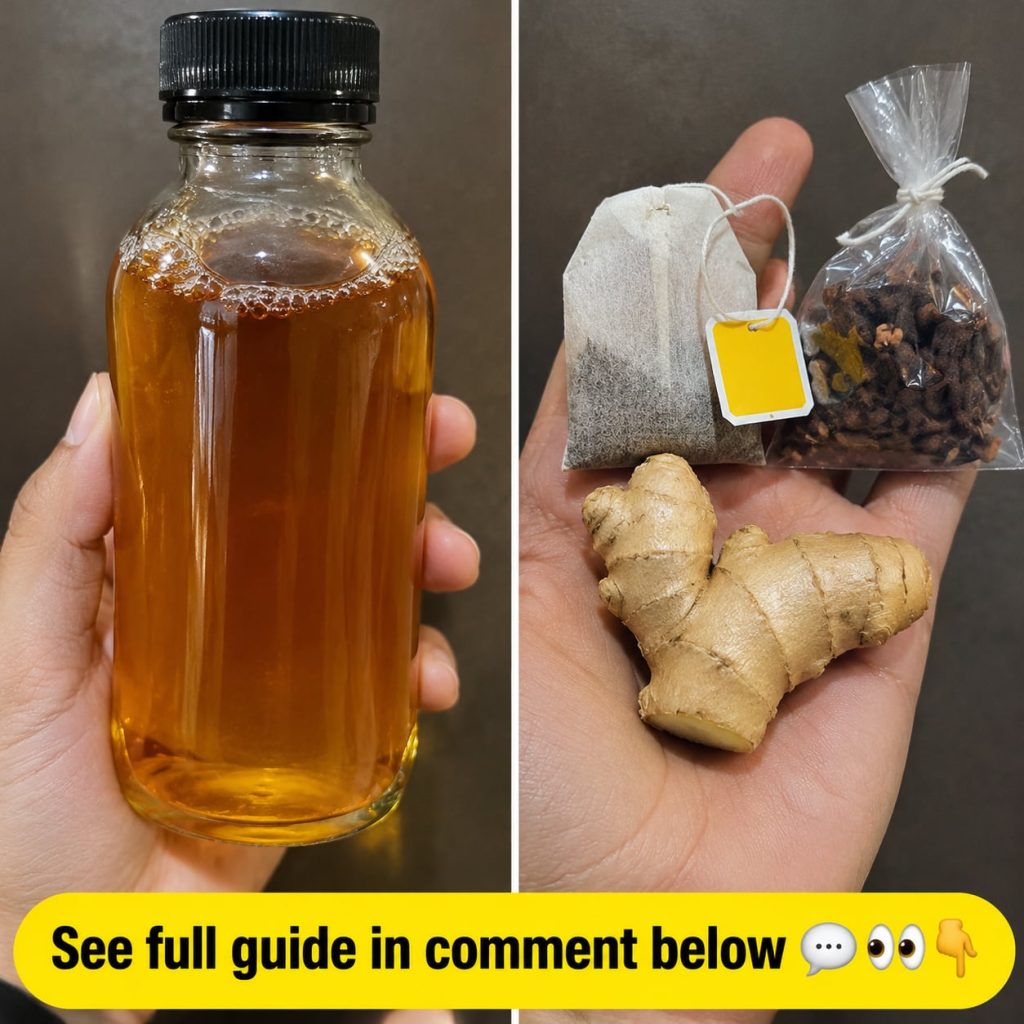
Ginger and clove tea is a simple homemade herbal infusion. Sliced fresh ginger gives the drink a bright, spicy base, while a small number of whole cloves adds a warm, sweet-spicy aroma. Many people brew it as a comforting evening cup or as a warm drink during cold months. It is a preparation you control completely, which is why measurements matter more than the ingredients themselves.
Ingredients
- Fresh ginger root, about 2 cm (roughly 1 inch) sliced thin
- Whole cloves, 2 to 3 pieces
- Water, 400 ml (about 1.5 cups)
- Optional: 1 teaspoon raw honey or a squeeze of lemon, added after the tea cools slightly
- Optional: 1 black or green tea bag if you want a caffeinated base
Formula and Approximate Measurements
For one generous mug, use the ratio below. Scale up only if you plan to drink the tea within the same day.
| Component | Amount for 1 mug | Purpose |
|---|---|---|
| Fresh ginger | 2 cm slices | Bright, spicy base |
| Whole cloves | 2 pieces | Warm, aromatic note |
| Water | 400 ml | Infusion base |
| Honey (optional) | 1 teaspoon | Mild sweetness after brewing |
Step-by-Step Method
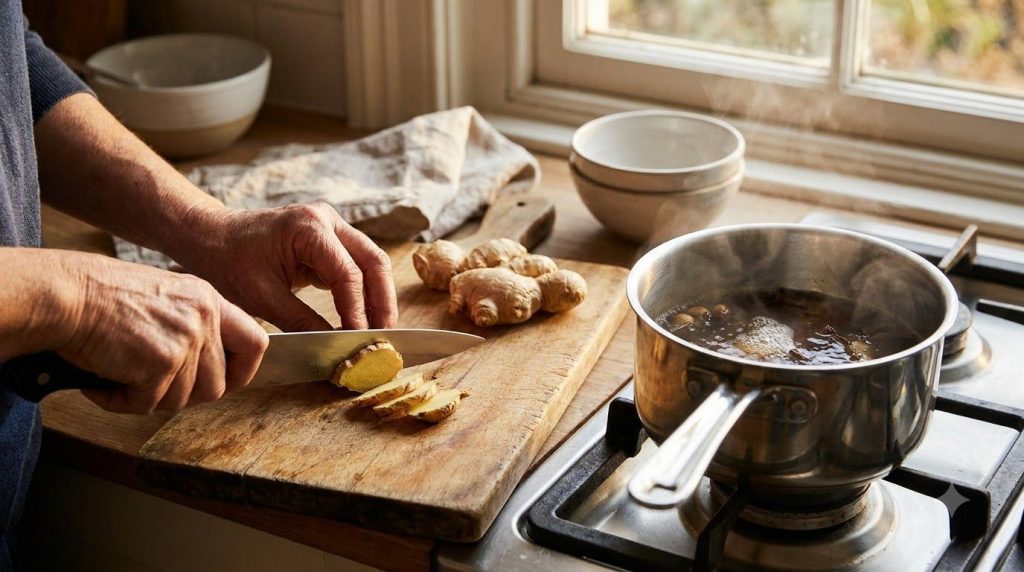
- Rinse the ginger and slice it thinly. Do not peel it if the skin is clean and thin.
- Bring the water to a gentle boil in a small pot.
- Add the ginger and cloves, then reduce the heat to low.
- Simmer for 8 to 10 minutes with a lid partly on. Do not boil hard for longer than this.
- Turn off the heat and let it steep for 3 more minutes.
- Strain into a cup and add honey or lemon only once the tea is warm, not scalding.
How to Use It
Drink the tea warm, not hot, and sip slowly. Many people prefer it after a meal or in the evening, when they want something calming and caffeine-free. If you use a tea bag, add it only during the steeping step so it does not turn bitter.
How Often to Use It
Most home brewers enjoy one cup per day, and some prefer a few cups spread across a week rather than every day. Start with a half batch to see how your palate responds to the cloves. If the flavor feels too strong, reduce the cloves to one piece next time.
How to Choose Good Ingredients
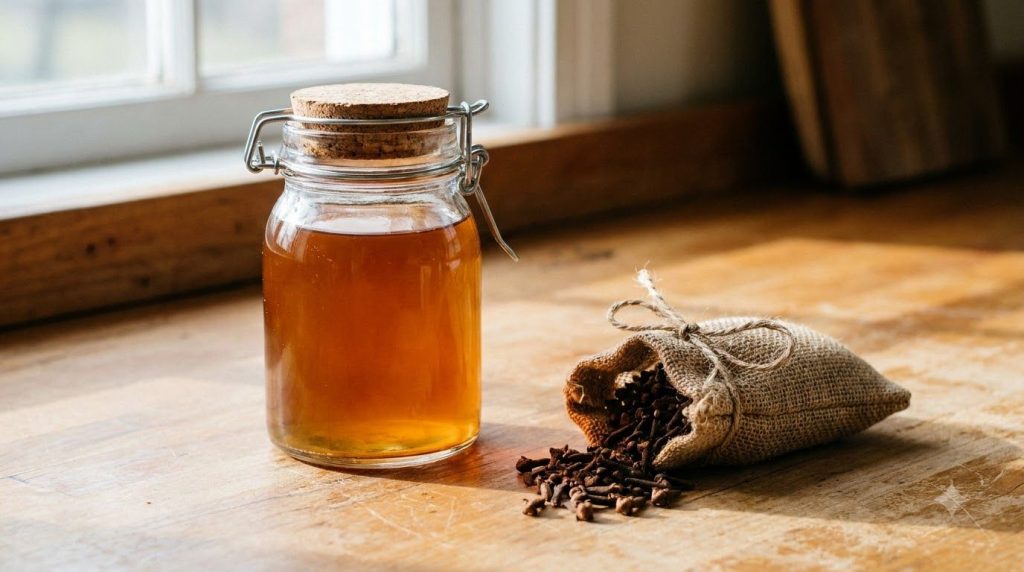
Look for firm ginger with smooth, thin skin and no soft or moldy spots. Fresh ginger should smell clean and sharp. For cloves, choose whole buds that are dark brown, oily when pressed, and fragrant. Pale or dry-looking cloves have usually lost most of their aroma. Buy whole spices instead of ground cloves, because ground cloves lose flavor quickly and can make the tea gritty.
Storage
- Fresh ginger: keep wrapped in paper in the fridge for up to 3 weeks, or freeze slices for up to 3 months.
- Brewed tea: refrigerate in a sealed glass jar and use within 24 hours.
- Whole cloves: store in a sealed jar away from heat and light for up to 1 year.
Quick Tip
Freeze leftover ginger slices in a small bag. You can drop them straight into hot water later without thawing.
Fresh vs Dried Ginger
| Version | Flavor | Best For | Shelf Life |
|---|---|---|---|
| Fresh ginger | Bright and zesty | Everyday brewing | About 3 weeks in the fridge |
| Dried ginger slices | Earthy and sharper | Long-term pantry use | Several months if kept dry |
Common Mistakes
- Using too many cloves, which makes the tea overpowering and bitter.
- Boiling the ginger hard for a long time, which can flatten the flavor.
- Storing brewed tea at room temperature for more than a few hours.
- Adding honey to boiling tea, which can reduce its natural texture and aroma.
- Using old or dull cloves that have lost their scent.
Cautions and Who Should Avoid It
Ginger and cloves are common kitchen spices, but concentrated preparations can still affect some people. Speak with a healthcare professional before drinking this tea regularly if you are pregnant, breastfeeding, taking blood-thinning medication, managing diabetes, or preparing for surgery. Stop and seek advice if you notice stomach discomfort, heartburn, or an allergic reaction. Children should only have small, mild servings, if any.
Quick Summary
- Best preparation: simmered fresh ginger with 2 whole cloves in water.
- Best use case: a warm, caffeine-free evening cup.
- Storage: refrigerate leftovers and use within 24 hours.
- When to use: once a day, starting with a half batch.
- What to avoid: too many cloves, hard boiling, and old spices.
FAQ
Can I use dried ginger instead of fresh?
Yes. Use about one quarter of the amount of dried slices, since their flavor is more concentrated.
How long does the brewed tea last?
Keep it refrigerated in a sealed jar and drink it within 24 hours for the best taste.
Can I refrigerate the tea?
Yes, but reheat gently and do not boil it again.
Can I freeze the tea?
You can freeze brewed tea in ice cube trays for up to 1 month and add cubes to warm water later.
Can I reuse the ginger and cloves?
A second brew will be weaker. You can simmer them again for 5 minutes, but expect a milder cup.
What part of the clove should I use?
Whole dried flower buds are the most practical choice because they release flavor slowly and are easy to strain.
When should I avoid this tea?
Avoid it if you have a known allergy to clove or ginger, or if your doctor has advised limiting spices.
Conclusion
Ginger and clove tea is a simple, practical brew that rewards careful measuring. Keep the cloves few, the simmer short, and the leftovers chilled, and you will have a dependable home cup every time.
You may also like: Read more about homemade herbal teas.
Related remedy: See the full guide to fresh ginger storage.