Oats are one of the most respected everyday foods in a healthy kitchen. They are affordable, versatile, and packed with fiber. Yet many people who eat oatmeal every morning have never checked how many calories are actually in their bowl. The answer can vary more than you might expect, and the difference often comes down to two things: the type of oat you buy and how much you serve.
Why Oat Calories Matter for Your Daily Goals
Calories are simply units of energy. Whether your goal is weight management, steady energy through the morning, or building a balanced plate, knowing the energy content of your staple foods helps you plan with confidence. Oats are naturally rich in complex carbohydrates and soluble fiber, which means they digest slowly and can help you feel full longer. That is exactly why they are so popular, but it also means portion awareness is useful.
How Oat Type Changes the Calorie Count
Not all oats are processed the same way, and processing affects how quickly your body digests them. It does not usually change the calorie content dramatically per gram, but it does change the amount you are likely to eat and how satisfied you feel afterward.
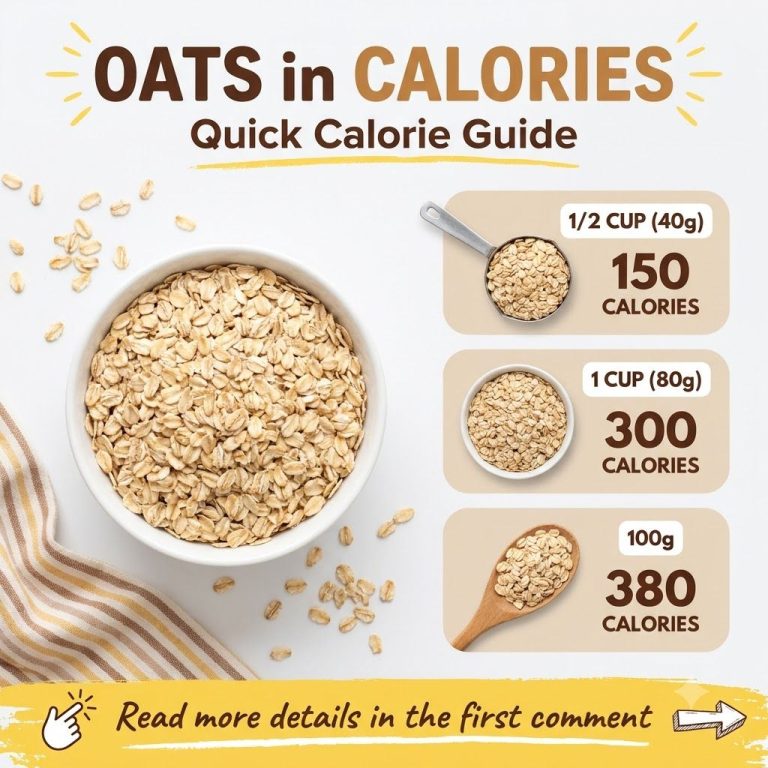
- Rolled oats: Steamed and flattened, they are the most common choice. A typical 40-gram dry serving (about half a cup) contains roughly 150 calories.
- Quick oats: Cut more finely and rolled thinner, they cook faster. Their calorie count per dry gram is very similar to rolled oats.
- Steel-cut oats: Groats chopped into pieces, they have a chewier texture and a lower glycemic response for many people. A dry serving of similar weight has about the same calories as rolled oats.
- Instant oats: Pre-cooked and often sold in flavored packets. Calories can range from about 100 to 180 per packet, mostly depending on added sugar and flavorings.
Because labels differ between brands, always check the nutrition facts panel on your specific package. Pay special attention to the serving size listed, since many packets are smaller than people expect.
The Serving Size Effect
Serving size is often the biggest factor in your bowl. Oats absorb a lot of liquid when cooked, so a half-cup of dry oats can become a large, volumetric bowl of porridge. The calories come mostly from the dry oats, not the water or milk, so measuring dry is a reliable habit.
- Measure dry oats with a kitchen scale or measuring cup before adding liquid.
- Use a standard serving of about 40 grams as your baseline.
- Add toppings deliberately, since nuts, nut butter, dried fruit, and sweeteners can quickly double the energy in your bowl.
- Choose unsweetened milk or water if you want to keep the base lighter.
Smart Ways to Build a Balanced Oat Bowl
Oats are a flexible base for a balanced breakfast. To make them more satisfying and nutritionally complete, pair them with protein and healthy fats. Greek yogurt, eggs on the side, chia seeds, or a spoonful of nut butter can help you stay full until lunch. Add fruit such as berries or sliced banana for vitamins, minerals, and natural sweetness without relying on added sugar.
Practical Tips for Your Next Meal Prep
If you enjoy oats for breakfast, meal prep can make healthy choices easier. Portion dry oats into single-serving jars in advance, label each one with its approximate calories, and keep a few toppings ready in the fridge. Overnight oats are another simple option: combine measured oats, liquid, and toppings in a container and refrigerate until morning.
The Bottom Line
Oats are a wonderful healthy staple, and their calorie content is easy to manage once you understand the basics. Choose the type that fits your taste and schedule, measure your dry portion, and be mindful of toppings. With a little planning, your morning oats can support your energy, your fullness, and your long-term wellness goals.
Save this guide for your next healthy meal prep, and share it with a friend who loves a warm bowl of oatmeal.