Scroll through beauty feeds long enough and you will probably see a bold claim: a simple mix of everyday petroleum jelly and fresh lemon zest that supposedly gives a youthful glow and a ‘Botox alternative’ look without any procedure. It sounds almost too easy, which is exactly why so many readers are curious. This article takes a friendly, practical look at what this trend is, what it can and cannot do, and how to think about it before you try it.
What Is the Petroleum Jelly and Lemon Trend?
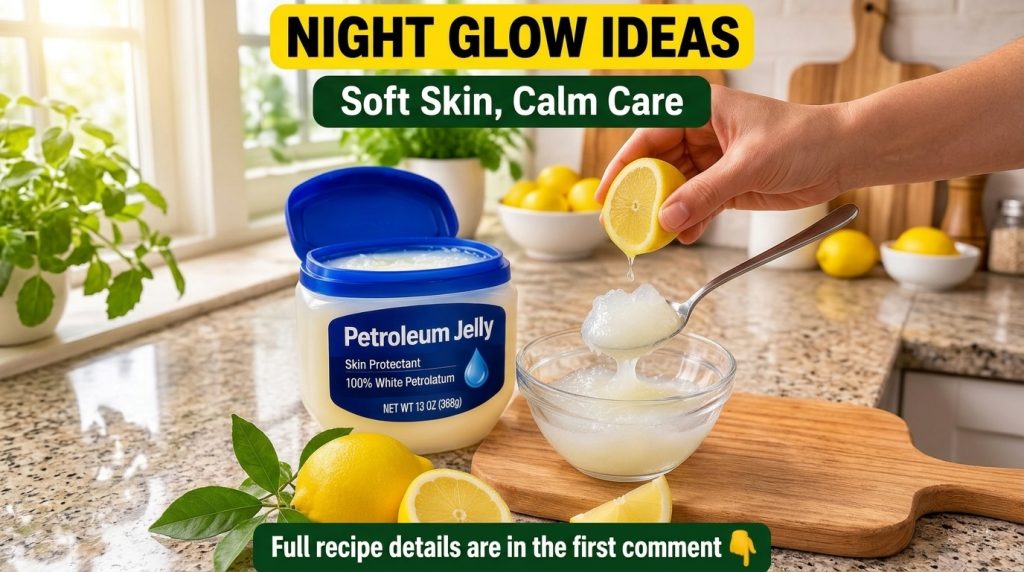
The idea usually combines two pantry staples. Petroleum jelly, sometimes sold as a skin protectant, is a classic occlusive. It forms a barrier on the skin that helps reduce water loss. Lemon is rich in vitamin C and natural acids, and people often add its zest or juice to homemade beauty recipes because of its bright, fresh reputation. Put together, the trend is presented as a shortcut to smoother, more radiant skin.
Why the Botox Comparison Is Misleading
Botox is a prescription medical treatment that temporarily relaxes specific facial muscles. Petroleum jelly does not do this, and no kitchen mixture can reproduce its effect. Claims that a home mixture can reverse aging or replace cosmetic procedures are not supported by reliable scientific evidence. Readers should treat headlines like ‘never used Botox’ and ‘still looks like 50’ as marketing hooks rather than proof.
What Petroleum Jelly Can Realistically Do
Petroleum jelly is well known for helping the skin hold on to moisture. This can make dry, rough, or flaky areas feel softer and more comfortable, especially on elbows, heels, and lips. A thin layer at night can also help protect minor dryness. Smoother-looking skin can make your complexion appear more even in the moment, but this is a surface effect rather than a change to the underlying signs of aging.
What About Lemon on the Skin?
Lemon brings real concerns that are often left out of viral posts. Its natural acids can irritate sensitive or broken skin, and fresh citrus can cause redness or stinging for some people. Citrus juice on the skin may also increase sensitivity to sunlight, which matters because sun exposure is one of the biggest contributors to visible aging. If you want the fresh aroma of lemon, a gentler option is to skip direct application and focus on moisturizers and sunscreen instead.
A Safer, Practical Approach
- Choose a simple, fragrance-free petroleum jelly and apply a thin layer to clean, dry skin.
- Avoid adding fresh lemon juice or zest to skin, especially before going outdoors.
- Do a patch test on a small area and wait at least 24 hours before using more widely.
- Stop using any product that causes burning, stinging, rash, or swelling.
- Use daily sunscreen, which is one of the most effective habits for protecting skin from visible aging.
Building a Routine That Supports Healthy-Looking Skin
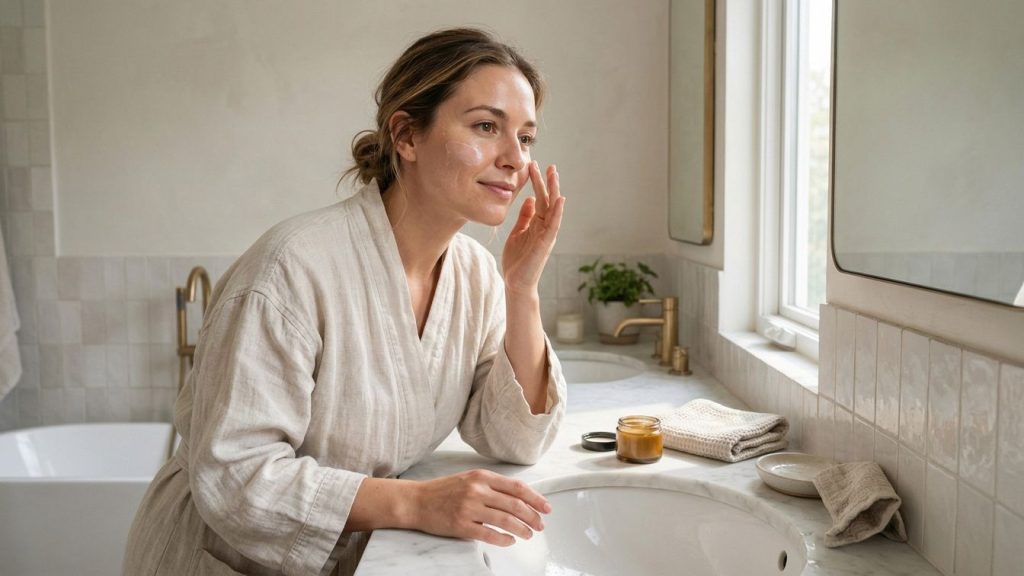
Healthy-looking skin usually comes from consistent habits rather than one dramatic ingredient. Gentle cleansing, regular moisturizing, daily sun protection, good sleep, and a balanced diet all support the skin over time. Products like petroleum jelly can have a place in a simple routine for dryness, while many people also find that a dermatologist can help them choose treatments that are proven to address specific concerns.
The Bottom Line
The petroleum jelly and lemon trend is appealing because it feels affordable, natural, and easy. However, it is not a true Botox alternative, and it cannot reverse aging. If you enjoy experimenting with DIY beauty, keep it gentle, protect your skin from the sun, and be realistic about what a simple home remedy can achieve. Your best results will come from steady care, patience, and choices that feel comfortable for your own skin.