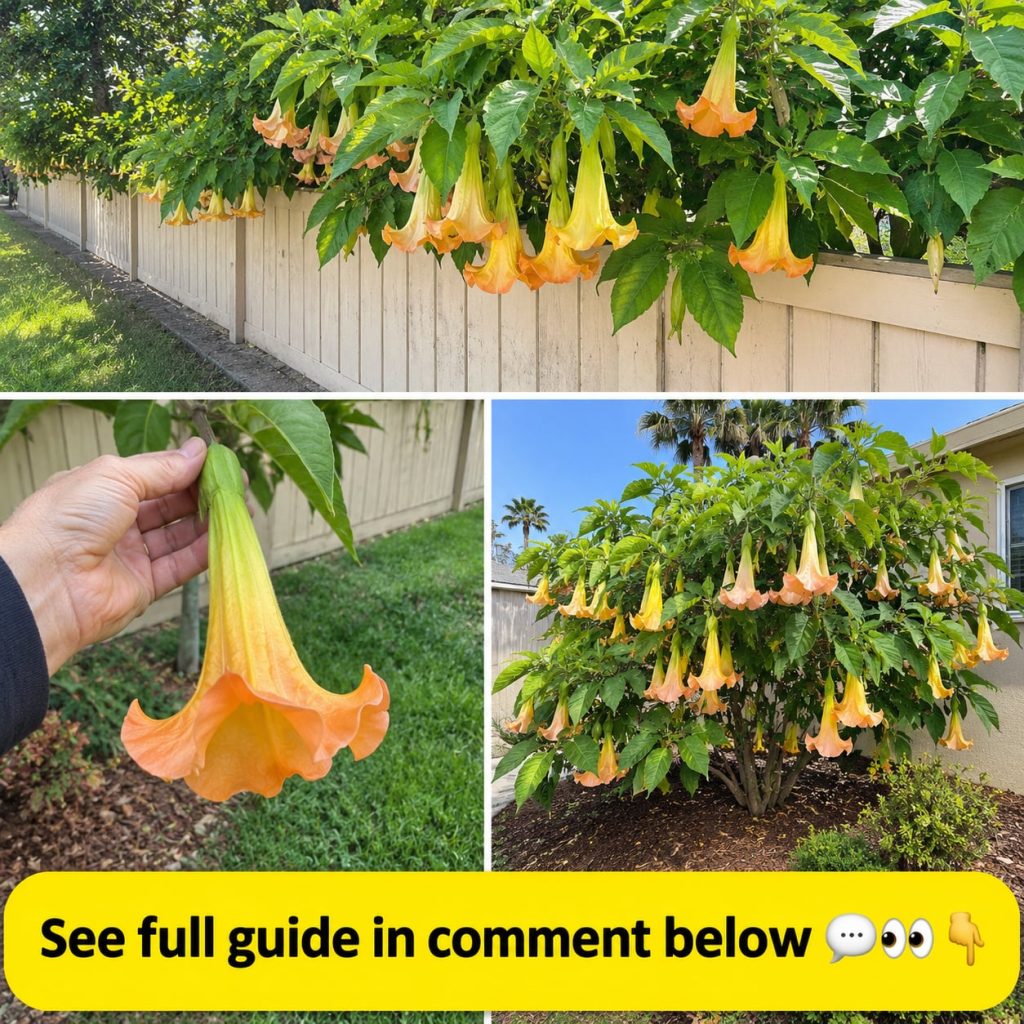
Most people choose garden plants for their flowers and never check the leaves, stems, seeds, or berries. That is the step most gardeners skip, and it is where the real risk often hides.
What It Means When a Garden Plant Is Labeled Toxic
A plant is called toxic when some part of it contains compounds that can cause irritation or illness if eaten, chewed, or sometimes touched. Toxicity depends on the species, the plant part, the amount eaten, and the person or pet involved. Children and pets are the most vulnerable because they explore with their mouths.
Many popular ornamentals fall into this group, including some lilies, foxgloves, oleander, and certain bulbs. Being pretty does not mean being safe.
Before You Plant: A Simple Safety Check
Follow these steps before buying or planting anything new in your yard.
- Identify the exact botanical name on the plant tag, not just the common name. Common names can refer to different species.
- Search the botanical name together with the words toxicity or ASPCA plant list to find verified safety information.
- Check which parts are harmful. Leaves, seeds, bulbs, and sap are often the most problematic.
- Decide where the plant will grow. Keep high-risk species away from play areas, pet paths, and spots near doors.
- Wear gloves when pruning or handling sap, since some plants cause skin irritation.
Quick-Reference: Where to Place Plants by Risk Level
| Plant Risk Level | Best Location | Extra Precaution |
|---|---|---|
| Low (mild irritation possible) | Borders and mixed beds | Wash hands after pruning |
| Moderate (harmful if eaten) | Adult-only areas, away from paths | Wear gloves and keep pets supervised |
| High (serious toxicity reported) | Avoid in yards with children or pets | Consider a non-toxic alternative |
Read more: See the full guide to safe plant choices for family yards.
Step-by-Step: Checking a Plant Already in Your Yard
If you already have an unfamiliar plant, you can assess it without guessing.
- Photograph the flowers, leaves, and stems, then compare them with a regional extension service or botanical garden database.
- Note any berries, seed pods, or bulbs, since these are the parts children and pets most often eat.
- Mark the plant with a stake so family members know it is off-limits for snacking or play.
- If you cannot identify it, ask a local nursery or extension office before handling it heavily.
Did You Know?
Many toxic garden plants look almost identical to harmless ones at a glance. Surprisingly, a single misidentified seedling can end up beside a vegetable bed, which is why labeling matters.
Common Mistakes
- Trusting the common name alone and skipping the botanical name.
- Planting high-risk species near children’s play areas or pet routes.
- Pruning without gloves and then touching the eyes or face.
- Letting fallen seeds and berries sit on the ground where kids and pets can reach them.
- Assuming a plant sold at a garden center is automatically safe for pets.
Cautions and Who Should Be Extra Careful
Young children, pets that chew plants, and people with sensitive skin need the most protection. If someone may have eaten part of a plant, contact a poison control center or a veterinarian right away. Do not wait for symptoms to appear. Do not induce vomiting unless a professional tells you to do so.
Practical Tips for a Safer Garden
Keep a written inventory of every plant in your yard, including its botanical name. Store that list where family members can find it quickly. When buying new plants, ask the nursery whether the species is toxic to pets. Choose pet-friendly alternatives for paths and entry areas, and reserve the showier, riskier plants for spaces that are off-limits to curious hands and mouths.
Quick Summary
- Best approach: identify the plant by botanical name before planting.
- Best use-case: ornamental beds away from play areas and pet routes.
- Storage tip: keep plant tags and your yard inventory list together.
- When to act: contact poison control or a vet if anyone eats part of a plant.
- What to avoid: planting unknown species near doors, paths, or children’s spaces.
Frequently Asked Questions
Can I keep a toxic plant if I wear gloves?
Yes, gloves help with skin contact, but they do not stop a child or pet from eating the plant. Placement and supervision matter just as much.
Are all parts of a plant equally dangerous?
No. Some species are harmful mainly through seeds, berries, or bulbs, while others have toxic leaves or sap. Check the specific part listed for your species.
Can I remove a toxic plant myself?
Usually yes, using gloves and eye protection. Bag the cuttings securely and dispose of them where pets and children cannot reach them.
Does a plant become safe once it dries?
No. Many toxic plants remain harmful when dried, so do not assume that clippings are safe to leave in open piles.
How do I know if a plant is safe for my dog?
Check a veterinary or ASPCA-based plant list using the botanical name. If you still feel unsure, ask your veterinarian before planting.
Should I remove every ornamental plant that has a warning?
Not necessarily. You can keep lower-risk plants in managed areas and replace high-risk ones in spaces used by children or pets.
Where can I learn safe alternatives?
Read more: Continue with our related guide on pet-friendly garden plants for family yards.
Conclusion
A beautiful bloom deserves a careful planting decision. Identify each plant by its botanical name, place risky species away from everyday traffic, and keep a simple inventory of your yard. You may also like: learn how to make a pet-friendly garden layout that still looks full and colorful.