Did you know your daily meals can actively protect and nourish your vital organs? Many of the most powerful foods for long-term wellness are simple, whole ingredients you may already have in your kitchen. In this guide, we explore how everyday foods like ginger, walnuts, and turmeric can help support your key organs and build healthier daily habits.
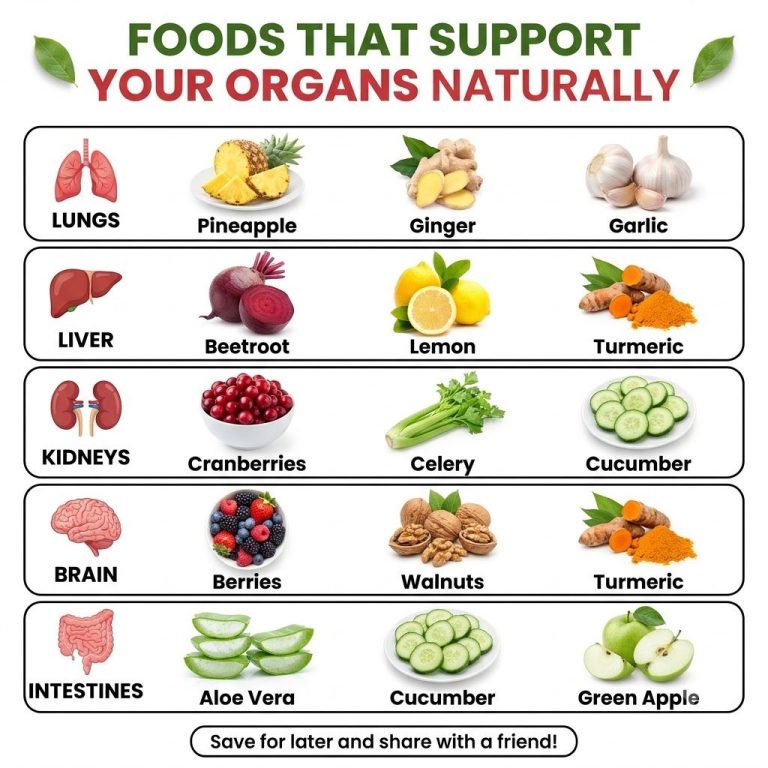
Why Food Matters for Your Vital Organs
Your heart, liver, kidneys, brain and digestive system work around the clock. They rely on a steady supply of vitamins, minerals, healthy fats and antioxidants to function well. While no single food can replace medical care, a consistent pattern of nutrient-rich eating can help create an environment where your organs are better supported over the long term.
Ginger: Supporting Digestion and Circulation
Ginger has been used in traditional kitchens for centuries. It contains natural compounds such as gingerols, which are studied for their antioxidant and anti-inflammatory properties. Many people enjoy ginger in tea, stir-fries or smoothies, and it can be a comforting way to support digestive comfort after meals.
Walnuts: Nourishing the Heart and Brain
Walnuts are one of the few nuts that provide plant-based omega-3 fatty acids, specifically alpha-linolenic acid. They also contain vitamin E, magnesium and polyphenols. Research on heart-healthy eating patterns often includes nuts like walnuts because they can fit neatly into a balanced diet.
Turmeric: Supporting Liver and Cellular Health
Turmeric gets its golden color from curcumin, a compound studied for its antioxidant effects. Pairing turmeric with a small amount of black pepper and a healthy fat such as olive oil can help your body absorb it more effectively. Try adding it to soups, roasted vegetables or warm golden milk.
Other Whole Foods to Include
- Leafy greens such as spinach and kale, rich in folate and vitamin K
- Berries, packed with antioxidants and fiber
- Oats, which provide beta-glucan to support healthy cholesterol levels
- Fatty fish like salmon, a source of EPA and DHA omega-3s
- Beans and lentils for plant protein and fiber
Practical Tips for Your Next Grocery Trip
- Shop the outer aisles first, where fresh produce, fish and whole grains are usually found.
- Choose whole foods over heavily processed snacks whenever possible.
- Buy a variety of colors to get a wider range of phytonutrients.
- Keep a small stock of nuts, seeds and frozen berries for quick, healthy additions.
Building a Sustainable Routine
Healthy eating works best when it feels enjoyable and realistic. Start by adding one new whole food to your meals each week. Over time, these small changes can add up to a pattern that supports your energy, digestion, heart and overall wellness.
Consistency matters more than perfection. Small, nourishing choices made daily can make a meaningful difference.
Always consult your healthcare provider before making significant dietary changes, especially if you have an existing medical condition or take medication. Save this guide for your next grocery trip, and share it with a friend who loves natural wellness.