Did you know that certain foods can influence everyday health concerns? Your plate holds more power than many people realize. Food is never a replacement for medical care, but thoughtful eating habits can play a supportive role in how you feel day to day.
Why Food Choices Matter for Everyday Wellness
Most people eat several times a day, which means small choices add up over time. Building meals around whole, minimally processed ingredients gives your body fiber, vitamins, minerals, and plant compounds that support overall well-being. The goal is not perfection but steady, realistic improvements you can keep up with.
Foods Often Included in Kidney-Friendly Eating Plans
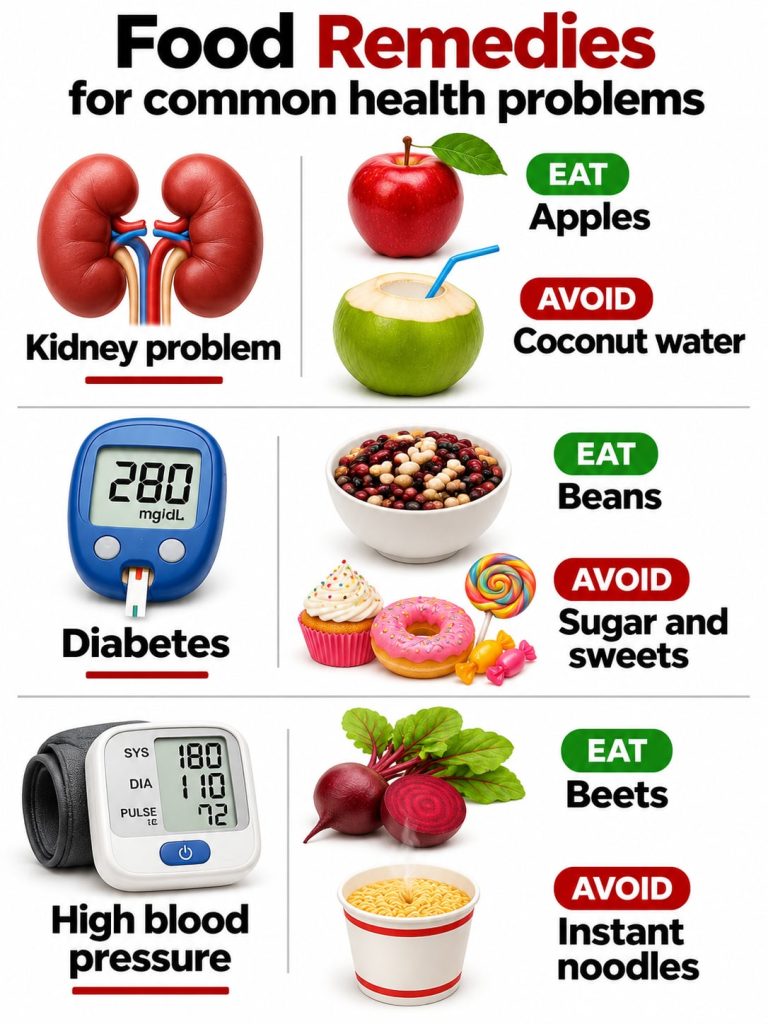
Kidney needs vary widely from person to person, so always follow guidance from your healthcare team. In general, many people with kidney concerns are advised to balance potassium, phosphorus, and sodium intake. Some commonly discussed options include:
- Apples, berries, and grapes, which are often lower in potassium
- Cabbage, cauliflower, and green beans as vegetable choices
- Egg whites and small portions of lean protein
- Plenty of water, unless your provider has advised a fluid limit
Blood Sugar Friendly Food Choices
Balanced meals help keep energy steady throughout the day. Pairing carbohydrates with fiber, protein, or healthy fats can slow how quickly sugar enters the bloodstream. Helpful everyday foods include:
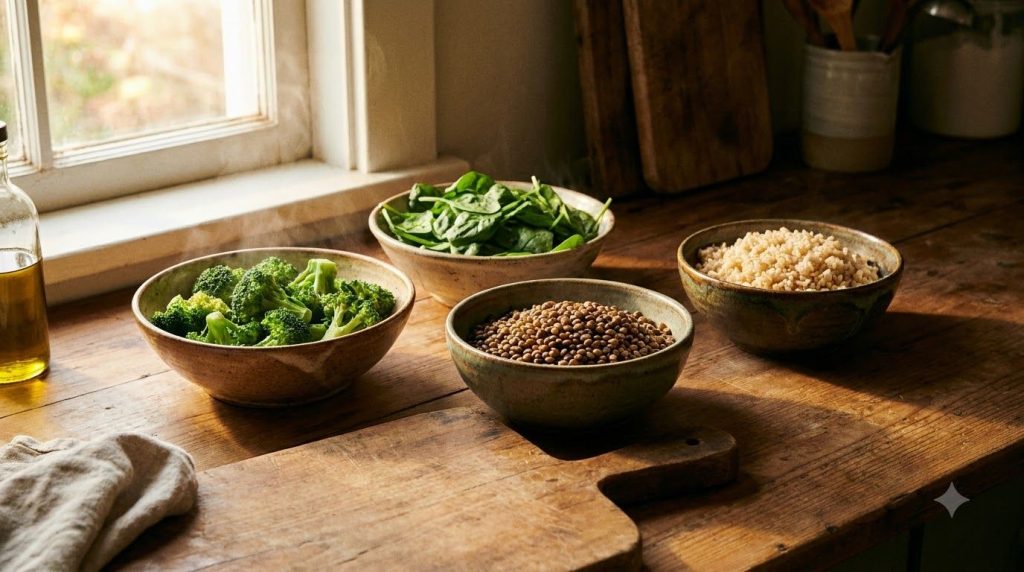
- Non-starchy vegetables such as spinach, broccoli, and zucchini
- Beans, lentils, and chickpeas
- Whole grains like oats, quinoa, and brown rice
- Unsweetened Greek yogurt and a small handful of nuts
Heart-Healthy Eating for Blood Pressure
Blood pressure is influenced by many factors, including sodium intake, potassium-rich foods, physical activity, and sleep. A dietary pattern rich in vegetables, fruits, and whole grains is widely recognized as heart-friendly. Consider adding:
- Leafy greens, bananas, and sweet potatoes for potassium
- Oats and beans for soluble fiber
- Fish rich in omega-3 fats, such as salmon or sardines, a few times a week
- Herbs and spices like garlic, basil, and cinnamon to flavor food without extra salt
Foods to Limit for Better Balance
Limiting certain foods can be just as helpful as adding new ones. Many people benefit from cutting back on:
- Processed meats such as deli slices, sausages, and bacon
- Packaged snacks and instant soups high in sodium
- Sugary drinks, including soda and sweetened juices
- Refined grains like white bread and pastries
- Fried foods cooked in heavily reused oil
Simple Habits to Start Today
Small routines make healthy eating easier to maintain:
- Fill half of your plate with vegetables at lunch and dinner.
- Choose water or herbal tea instead of sugary beverages.
- Cook at home more often so you control salt and oil.
- Read nutrition labels and compare sodium and added sugar.
- Keep fresh fruit and cut vegetables within easy reach for snacks.
A Gentle Reminder
This article is for general educational purposes and is not medical advice. Before changing your diet, especially if you manage kidney health, blood sugar, blood pressure, or take medication, speak with your doctor, pharmacist, or a registered dietitian who can tailor recommendations to your needs.
Which simple food swap are you planning to try first? Share your thoughts in the comments and let us know what healthy habit you are building this week.