Most people mow over the best herbs in their yard every weekend without a second thought. Dandelion, plantain, and clover have been kept in home herb cabinets for generations, but a lawn is not a clean garden bed. The way you choose, harvest, and prepare these plants matters just as much as the recipe.
What Lawn Foraging Really Means
Lawn foraging means harvesting wild plants that grow in your own grass for simple home preparations such as teas, rinses, and compresses. It is a low-cost way to start with herbs you can see every day. Still, the goal is practical use, not guesswork. Start with three plants that are easy to identify and widely documented.
Ingredients to Start With
- Dandelion leaves and flowers (Taraxacum officinale)
- Broad-leaf plantain leaves (Plantago major)
- White clover flowers and leaves (Trifolium repens)
Pick only what you can positively identify. Dandelion has a hollow stem with milky sap and a single yellow flower head. Plantain has broad, ribbed leaves in a rosette. White clover has three-part leaves, often with a faint white crescent.
Approximate Measurements
For a simple cup of herbal tea, use about 1 teaspoon of dried plantain leaf or 1 tablespoon of chopped fresh dandelion leaves. Add a small pinch of clover flowers if you like a milder, sweeter taste. Always start small and adjust after one or two trials.
Simple Lawn Herb Tea Recipe
This recipe makes one cup and works well as a light daily drink while you learn how these plants taste.
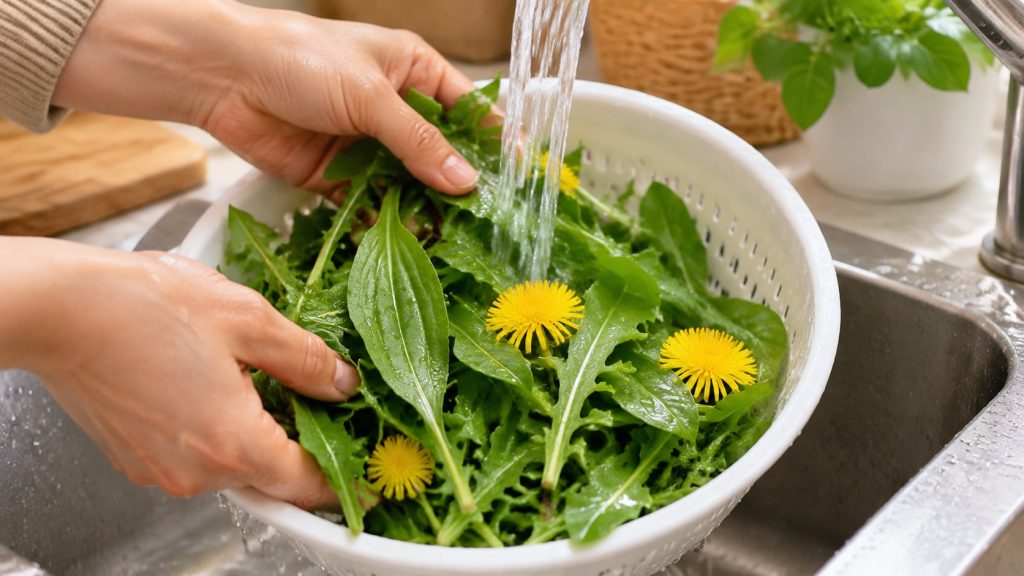
- Rinse the plant material in cool water to remove dust and debris.
- Place 1 teaspoon dried plantain or 1 tablespoon fresh dandelion leaves in a cup.
- Pour in 1 cup of water heated to just below boiling, around 90 to 95 degrees Celsius.
- Cover the cup and steep for 8 to 10 minutes.
- Strain, let it cool slightly, and sip. Add a little lemon if you like.
How to Use It
Drink the tea warm or at room temperature. For a gentle external use, cool strained tea can be applied with a clean cloth as a compress on minor skin irritation, after a patch test on a small area of skin. Discard any leftover tea after a day and never reuse plant material that has been sitting in water.
How Often to Use It
Most people who try lawn herb tea drink one cup per day for a short trial of about one to two weeks. Then take a break. Pay attention to how your body responds and stop if you notice discomfort.
How to Choose and Buy Ingredients
If your lawn is treated with chemicals, skip it entirely. Choose plants from an untreated area, away from roads, dog runs, and fertilized zones. If you cannot confirm the yard history, buy certified dried herbs from a reputable supplier instead.
Fresh vs Dried Quick Reference
| Form | Best Use | Typical Shelf Life |
|---|---|---|
| Fresh dandelion leaves | Quick tea or salad | Use within 1 to 2 days |
| Dried plantain leaves | Tea and compress | Up to 6 months in a sealed jar |
| Dried clover flowers | Mild herbal tea | Up to 6 months in a sealed jar |
Storage Tips
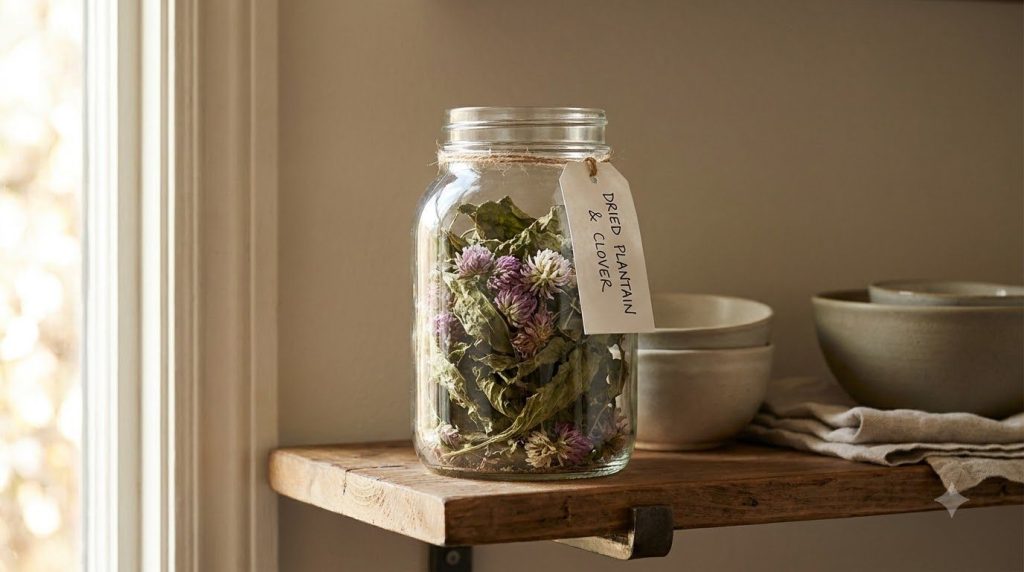
Dry harvested leaves on a clean rack or mesh tray away from direct sun, usually for 1 to 2 weeks until they crackle. Store them in a dry, airtight glass jar in a dark cabinet. Moisture is the main enemy, so never seal damp herbs.
Practical Tips
Harvest in the morning after dew dries, when leaves are firm and clean. Pick from several spots rather than stripping one patch. Leave some plants behind so the lawn can recover, and avoid pulling up roots unless you know you need them.
Common Mistakes
- Harvesting from sprayed or fertilized lawns.
- Picking plants next to busy roads or pet areas.
- Confusing dandelion with look-alike plants such as hawkweed or cat’s ear.
- Boiling the tea, which can make it bitter.
- Storing damp herbs in closed containers, which encourages mold.
- Using the same steeped leaves more than once.
Cautions and Who Should Avoid It
Do not use wild plants if you are pregnant, breastfeeding, managing a medical condition, or taking prescription medication without first speaking with a healthcare professional. People with allergies to ragweed or daisy-family plants may react to dandelion. Stop use and seek medical advice if you notice rash, swelling, or breathing difficulty. Keep foraged plants away from children and pets.
Quick Summary
Best preparation: simple tea from dried plantain or fresh dandelion leaves. Best use case: light daily drink or a gentle cooled compress after a patch test. Storage: dry thoroughly and keep in an airtight dark jar. When to use: for short trials, not continuous long-term use. What to avoid: sprayed lawns, misidentified plants, and damp storage.
Frequently Asked Questions
Can I use fresh or dried lawn plants?
Both work. Fresh leaves are best for quick teas and salads, while dried leaves last longer and steep more consistently.
How long do dried herbs last?
When fully dried and stored in a sealed dark jar, most leaves stay good for about 6 months. Check for mold or musty smell before using.
Can I refrigerate fresh dandelion leaves?
Yes, wrap them loosely in a paper towel inside a container and use within 1 to 2 days for the best texture.
Can I freeze lawn herbs?
Freezing is possible for chopped fresh leaves in a small amount of water, but flavor may soften. Dried storage is usually the better choice.
What part of the plant is best?
Leaves are the most common choice for tea. Dandelion flowers are often used for a lighter, slightly sweet infusion.
Can I reuse the leaves?
It is best not to. A second steeping is weaker and may encourage bacterial growth if left sitting.
When should I avoid these plants?
Avoid them during pregnancy, while nursing, with known plant allergies, or if the lawn may have been treated with pesticides.
Conclusion
Your backyard can supply simple herbs for everyday home preparations, but safe harvesting comes first. Start with a few well-identified plants, follow a clear method, and keep your use modest.
You may also like: read more about easy herbal tea methods. See the full guide: how to dry and store garden herbs. Related remedy: learn how to make a gentle plantain compress.