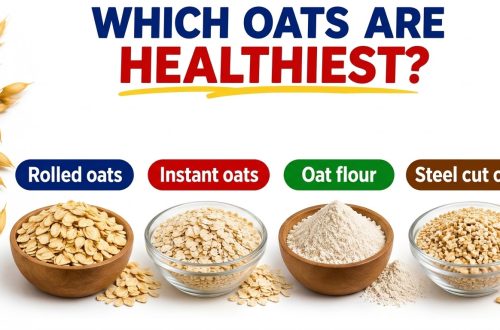
Walk down any grocery aisle and you will likely find several types of oats side by side. Rolled oats, quick oats, instant packets, and steel-cut varieties can look nearly identical in the bag, yet they behave very differently once they meet your digestive system. If you are trying to build a healthier morning routine or support your weight goals, understanding these differences can help you choose the bowl that works best for you.
What Are Rolled Oats?
Rolled oats, often called old-fashioned oats, are whole oat groats that have been steamed and then flattened with large rollers. Because the grain stays in fairly large flakes, it keeps much of its natural structure. This gentle processing means rolled oats take a little longer to cook and have a chewier, more satisfying texture.
What Are Quick Oats?
Quick oats are made from the same whole grain, but they are steamed for a longer period and rolled into thinner, smaller flakes. Some are also cut into pieces before rolling. The result is an oat that absorbs water faster and cooks in just a few minutes. That convenience is appealing on busy weekday mornings, but the extra processing changes how quickly your body breaks the oats down.
Why Processing Level Matters for Digestion
Both types are whole grains, so both provide beta-glucan, a soluble fiber linked to heart health and steadier blood sugar. The key difference lies in the speed of digestion. Less processed oats keep more of their intact structure, which slows the release of sugars into the bloodstream. Quick oats, with their thinner flakes and greater surface area, tend to be digested somewhat faster. This can lead to a quicker rise in blood sugar and a sooner return of hunger for some people.
Which Oats Are Better for Weight Loss?
Neither option is a magic solution, and both can fit comfortably into a weight-conscious diet. Rolled oats generally offer a longer-lasting feeling of fullness because of their slower digestion and chewier texture. Quick oats can still be a good choice, especially when you prefer a fast breakfast. The most important factors are portion size, what you add on top, and how consistently you eat a balanced morning meal.
- Choose plain oats: Flavored instant packets often contain added sugar, so buy plain varieties and sweeten them with fruit or cinnamon.
- Pair with protein: Add Greek yogurt, nuts, seeds, or a scoop of protein powder to improve satiety.
- Watch portions: A typical serving is about half a cup of dry oats.
- Add fiber-rich toppings: Berries, chia seeds, and sliced apples boost fiber without many extra calories.
Making Overnight Oats with Rolled Oats
Rolled oats are the favorite choice for overnight oats. Combine half a cup of rolled oats with half a cup of milk or unsweetened plant-based milk, a few tablespoons of yogurt, and a spoonful of chia seeds in a jar. Stir well, cover, and refrigerate for at least six hours or overnight. In the morning, the oats will be creamy yet still pleasantly textured. Add fresh fruit and a sprinkle of nuts before serving.
Can Quick Oats Work for Overnight Oats?
Yes, quick oats can also be used, though the texture will be softer and more pudding-like. Use slightly less liquid and check the consistency after a few hours. If you enjoy a smoother bowl, quick oats may suit you well.
The Simple Verdict
For most people aiming for lasting fullness and steadier energy, rolled oats are the slightly better pick. Quick oats remain a practical, nutritious option when time is tight. Either way, you are making a smart choice by starting your day with a whole grain. Consistency and balanced toppings will matter more than the small difference between the two.
Which one do you prefer for your breakfast? Share your choice in the comments below, and save this guide for your next grocery trip!